
Ultra Music Festival 2025: Miami-Dade Boosts Transit Services for Massive Bayfront Park Weekend
 Previous


Miami-Dade County is pulling out all the stops to ensure seamless mobility for tens of thousands of electronic music devotees flocking to Bayfront Park for the 2025 Ultra Music Festival. In a move that underscores the region's commitment to sustainable event logistics, local transit authorities have announced extended operating hours for both the Metrorail and Metromover systems, offering festival-goers a reliable, traffic-free alternative to navigating the notoriously congested downtown core.
The announcement, made public on March 27, marks a continued partnership between the county and Ultra organizers. With the festival expected to draw over 165,000 attendees across three days, the expanded service window aims to alleviate gridlock, reduce carbon emissions, and keep the city moving well past midnight. It's a logistical masterstroke that balances crowd management with urban efficiency.
Extended Service Hours: A Breakdown of the Schedule
For the duration of the festival—Friday, March 28 through Sunday, March 30—commuters will benefit from significantly lengthened train operations. According to Miami-Dade County officials, the Metrorail and Metromover will run from 5:00 a.m. until 2:00 a.m. on both Friday and Saturday nights, comfortably accommodating early arrivals and late-night departures. On Sunday, services will wind down slightly earlier, ending at midnight.
The Metrorail's Green and Orange lines will operate on a 30-minute frequency during the extended hours, a cadence designed to balance capacity with operational feasibility. While this may not match peak rush-hour intervals, the consistent schedule provides predictable wait times—a crucial factor for festival attendees planning their return trips. The Metromover, which loops through downtown, Brickell, and Park West, will also maintain its extended coverage, offering last-mile connectivity from Metrorail stations to the festival gates.
Why This Matters: The Intersection of Transit and Mega-Event Logistics
Ultra Music Festival is not merely a concert series; it is a cultural and economic juggernaut for Miami. Since its inception in 1999, the event has grown from a one-day beachside gathering into a global electronic dance music phenomenon, pumping hundreds of millions of dollars annually into the local economy. However, with that growth comes immense pressure on infrastructure—particularly transportation. Previous editions have seen snarled traffic, overwhelmed ride-share zones, and frustrated residents.
By extending Metrorail and Metromover services, Miami-Dade is directly addressing one of the festival's most persistent pain points. The move also aligns with broader sustainability goals. Public transit usage reduces the number of single-occupancy vehicles on the road, cutting emissions and easing the burden on downtown streets. For Ultra attendees, many of whom travel from across the country or around the world, clear and reliable transit information can make the difference between a smooth weekend and a logistical nightmare.
Industry observers note that major cities like Las Vegas, Chicago, and Austin have similarly prioritized public transit for large-scale festivals, and Miami's proactive stance positions it as a leader in event-related mobility planning. The partnership between the county's Department of Transportation and Public Works (DTPW) and Ultra's operations team serves as a model for how cities can collaborate with private event organizers to mitigate congestion while enhancing the attendee experience.
Behind the Scenes: The Operational Challenges of Late-Night Transit
Extending rail service beyond normal hours is no small feat. The Metrorail typically shuts down around midnight on weekdays and 2:00 a.m. on Fridays and Saturdays—so the Ultra schedule essentially pushes Saturday's end time to match the existing late-night window, while Friday now sees a significant extension. This requires additional staffing, security, and maintenance crews to keep trains running safely after peak commuter periods.
Miami-Dade officials have emphasized that safety remains a priority. Additional police presence and transit security personnel will be stationed at major stations including Government Center, Brickell, and the Metromover stops near Bayfront Park. Clean-up crews will also be deployed more frequently to manage the inevitable post-festival mess. The county has also urged riders to purchase SmarTrip passes or reload their EASY Cards in advance to minimize queuing at ticket vending machines.
For those unfamiliar with Miami's transit system, here are the key connections to know:
- Metrorail Green Line: Links Palmetto, Hialeah, and the Civic Center with downtown. Transfers at Government Center for Metromover.
- Metrorail Orange Line: Connects Miami International Airport, the Earlington Heights area, and the northern suburbs to the urban core.
- Metromover: A free, automated elevated people mover that loops through downtown, Brickell, and the Omni area. Direct stops near Bayfront Park include Bayfront Park station (Inner Loop) and Knight Center station.
- Brickell Station: A major transfer point between Metrorail and Metromover, serving the financial district and southern downtown.
Attendees staying in South Beach, Coral Gables, or other outlying areas will need to combine the Metrorail with bus connections or ride-share—the county has not announced similar extensions for bus service, but tri-rail and other regional options remain available.
The Bigger Picture: Ultra's Rocky Road to Bayfront Stability
It is worth recalling that Ultra's relationship with downtown Miami has not always been harmonious. After years of noise complaints, community friction, and even a temporary relocation to Virginia Key in 2019, the festival secured a multi-year agreement with the city in 2021 to remain at Bayfront Park. That deal, brokered with the Downtown Neighbors Alliance, included strict sound-level limits, enhanced clean-up protocols, and a pledge to minimize disruption to residents.
The transit expansion is a natural extension of that goodwill gesture. By encouraging public transportation, organizers reduce the number of cars circling residential blocks and idling in traffic—a clear benefit to nearby condo dwellers. The extended Metrorail hours also allow attendees to leave later without rushing, potentially diffusing the chaotic post-festival exodus that has plagued previous years.
This year's Ultra lineup, which features headliners like Martin Garrix, Armin van Buuren, and a reunion of Swedish House Mafia, is expected to push attendance near capacity. With tickets sold out for weeks, the county's transit plan is more than a convenience—it is a necessity.
Looking Ahead: The Future of Festival Transit in Miami
As Miami continues its ascent as a global hub for major events—from Art Basel to the Miami Grand Prix—the ultra-reliable (pun intended) transit expansion for Ultra Music Festival could serve as a blueprint. The county has already begun exploring longer-term solutions such as dedicated bus rapid transit lines, increased Metrorail frequency during special events, and even dynamic scheduling powered by real-time crowd data.
For now, the message to festival-goers is clear: leave the car at the hotel, grab your EASY Card, and let the steel wheels of the Metrorail carry you into Miami's most euphoric weekend. Because when the bass drops at Bayfront Park, the last thing anyone wants to worry about is how to get home.
Disclaimer - All celebrity-related content, information, and images on this website are based on publicly available online sources and AI-generated insights/data. Information such as biography, age, career, personal details, and images may change without notice over time. While we strive for accuracy, we do not guarantee the accuracy, completeness, reliability, or timeliness of any information or imagery displayed on this website. This content is provided for general informational purposes only.
Top Trending News of Music Events
 👁️ 183 views
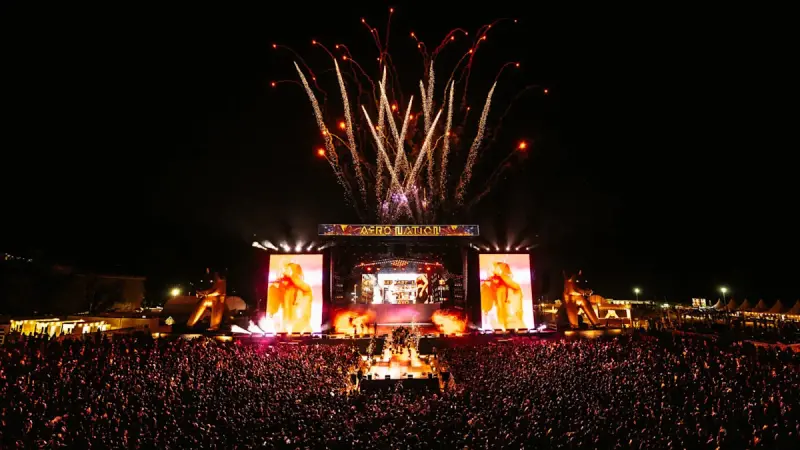
🔥 Afro Nation Portugal 2026: The Essential First-Timer’s Guide to the World’s Biggest Afrobeats Festival
Get the ultimate first-timer's guide to Afro Nation Portugal 2026 – the world's largest Afrobeats festival. Dates, tickets, travel tips, and what to expect in Portimão this July.
 👁️ 150 views
🔥 The Great Festival Cancellation of 2024: Why So Many Music Events Are Biting the Dust
Discover why over 60 music festivals canceled in 2024 alone—from rising costs and streaming algorithms to Gen Z's changing habits. Inside the festival recession.










Details
Send Us an Enquiry
We'll get back to you as soon as possible.
Thank You!
Your enquiry has been submitted. We'll be in touch shortly.