
Ultra Music Festival 2026 Day Two: A Sonic Spectacle Ignites Bayfront Park With Steve Aoki, Hardwell, and Carl Cox
 Previous

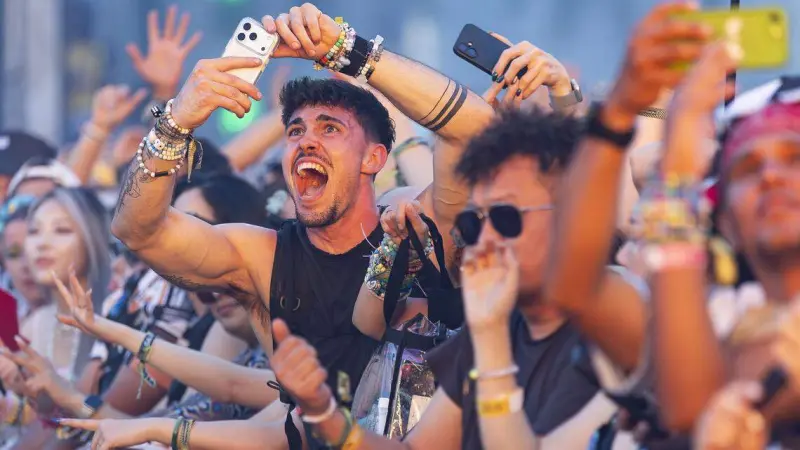
Miami’s Bayfront Park turned into a neon-lit cathedral of bass and beats on Saturday as the 26th edition of Ultra Music Festival unleashed its second day of nonstop energy. From noon until midnight, seven stages pulsed with life, drawing tens of thousands of electronic music devotees from across the globe. This wasn’t just a concert series—it was a cultural pilgrimage, a visual feast captured in stunning detail by Miami Herald photographer Matias J. Ocner.
With headliners like Steve Aoki, Hardwell, Carl Cox, and Armin Van Buuren commanding the largest crowds, day two proved why Ultra remains the reigning monarch of American dance music festivals. The event’s return to its spiritual home in downtown Miami after years of turmoil—including pandemic cancellations and a controversial relocation—felt like a triumphant homecoming. Here’s how the second day unfolded, what it means for the industry, and why the energy is only building.
The Power of Nostalgia and Innovation at Ultra’s 26th Anniversary
Ultra Music Festival first launched in 1999 as a one-day beach party with fewer than 10,000 attendees. Twenty-six years later, it has evolved into a global juggernaut, hosting over 165,000 fans across three days and generating an estimated $100 million in economic impact for Miami. The 2026 edition marks a milestone: a quarter-century of pushing boundaries, from the rise of EDM’s mainstream explosion in the 2010s to the current era of genre-blending experimentation.
Saturday’s lineup reflected Ultra’s dual identity—honoring legends while spotlighting rising stars. Carl Cox’s marathon set in the Megastructure paid homage to the techno roots that built the festival, while Alan Walker’s melodic future bass drew a sea of flag-waving superfans. Steve Aoki, never one to shy from spectacle, brought his signature cake-throwing and crowd-surfing antics to the Main Stage, reminding everyone why he’s been a pillar of the scene for two decades.
Stages That Define the Experience
Ultra’s layout is a masterclass in festival design, each stage offering a distinct sonic and visual identity. The seven stages on day two were:
- Main Stage: The crown jewel, hosting Hardwell, Steve Aoki, and Excision. Pyrotechnics and LED walls created a sensory overload that left fans breathless.
- Worldwide Stage: A global showcase featuring Bou’s drum and bass energy and Armnhmr’s hard-hitting bass house. This stage has become a launchpad for international talent.
- Megastructure: Reserved for techno purists, Carl Cox and the Resistance crew turned this tent into a dark, hypnotic sanctuary.
- The Cove: A more intimate space for house and disco, offering respite from the main crowds.
- Live Stage: Bands like The Saints brought live instruments into the electronic mix—a rarity that pays homage to Ultra’s early days when live acts dotted the lineup.
- UMF Radio: The festival’s broadcasting hub, where artists played exclusive sets streamed to millions worldwide.
- Oasis: A chill-out zone tucked by the water, perfect for watching the sunset and trading kandi bracelets.
The Visual Story: Photographer Matias J. Ocner’s Lens
The images captured by Ocner tell a story beyond the music. One shot shows 19-year-old Natalie Hidalgo from Miami dancing as Loud Luxury performed—her face pure joy, hands in the air. Another frame freezes a couple, Stewart Crerar and Victoria Hare, embracing as they arrived, their bond mirroring the festival’s unifying spirit. The photography highlights not just the performers but the crowd’s raw emotion: the dropped jaws during Excision’s bass drops, the synchronized hands forming the ‘U’ shape during Alan Walker’s set, and the quiet moments of exchange as festivalgoers shared kandi bracelets.
This visual documentation is crucial in an age where live events are constantly competing with digital experiences. Ultra’s ability to create shareable moments—both professional and user-generated—keeps it relevant in the social media ecosystem. The 2026 edition saw a record number of Instagram stories and TikTok posts, with #Ultra2026 trending in multiple countries throughout the weekend.
Fashion and Community: The Culture Beyond the Music
Ultra has always been as much about style as sound. Day two’s fashion ranged from classic rave wear—LED glasses, fishnets, and fuzzy boots—to avant-garde streetwear. One attendee, Randy Reynoso from New Jersey, held a Bluey-themed kandi bracelet, a nod to the festival’s playful side. The kandi culture, where attendees trade handmade bracelets as symbols of friendship, remains a cornerstone of the experience, fostering a sense of community that transcends the music.
Groups like the quartet from Daytona, Cincinnati, Las Vegas, and Las Vegas—Kaytlin Toth, Amy Jarman, Raquel Cruz, and Zoe Trujillo—danced together as Armnhmr performed, embodying the cross-country connections that Ultra facilitates. The festival’s demographic spans generations: teenagers attending their first festival alongside veterans who remember the 1999 launch. This intergenerational appeal is rare in the live event space and speaks to Ultra’s unique staying power.
Industry Impact: Why Ultra Matters Beyond Miami
Ultra Music Festival is more than a weekend party. It sets the tone for the global electronic music calendar. The sets played on Saturday often dictate trends for summer festival seasons in Ibiza, Tomorrowland, and EDC Las Vegas. Hardwell’s return to the Main Stage after a brief hiatus—he took a break from touring in 2018 to focus on his mental health—signaled a broader industry shift toward prioritizing artist wellbeing. His set was a masterclass in progressive house, reminding fans why he was once ranked the world’s No. 1 DJ.
Meanwhile, Bou’s performance on the Worldwide Stage highlighted the resurgence of drum and bass in North America, a genre that has simmered in the UK for years but is now finding mainstream traction. Ultra’s willingness to platform niche sounds ensures its lineup stays fresh, preventing the homogeneity that plagues some other major festivals.
The Future of Ultra: What’s Next After 26 Years?
As the sun set over Biscayne Bay, the lights of the Megastructure flickered to life, and Carl Cox took his place behind the decks. The moment felt like a passing of the torch. Cox, who has played at Ultra since its infancy, announced in 2023 that 2026 would be his final year as a regular headliner. His set was nostalgic yet forward-looking, mixing classics with unreleased tracks from emerging producers.
The festival’s organizers have hinted at expansions to the virtual experience, with a rumored VR component that could allow fans worldwide to “attend” via metaverse platforms. Sustainability efforts are also ramping up: 2026 saw a 30% reduction in single-use plastics, with water refill stations and compostable cups becoming the norm. Ultra is proving that growth and environmental responsibility can coexist.
But the magic of Ultra still lies in the unscripted moments. Watching a 26-year-old from Cincinnati named Amy Jarman scream with joy as Armnhmr dropped a dubstep edit, or seeing a group of strangers trade kandi under the moonlight—those are the memories that keep fans returning year after year. As the final notes of Excision’s set echoed across the park, one thing became clear: Ultra isn’t just surviving. It’s evolving, and its heartbeat shows no signs of slowing down.
Disclaimer - All celebrity-related content, information, and images on this website are based on publicly available online sources and AI-generated insights/data. Information such as biography, age, career, personal details, and images may change without notice over time. While we strive for accuracy, we do not guarantee the accuracy, completeness, reliability, or timeliness of any information or imagery displayed on this website. This content is provided for general informational purposes only.
Top Trending News of Music Events
 👁️ 182 views
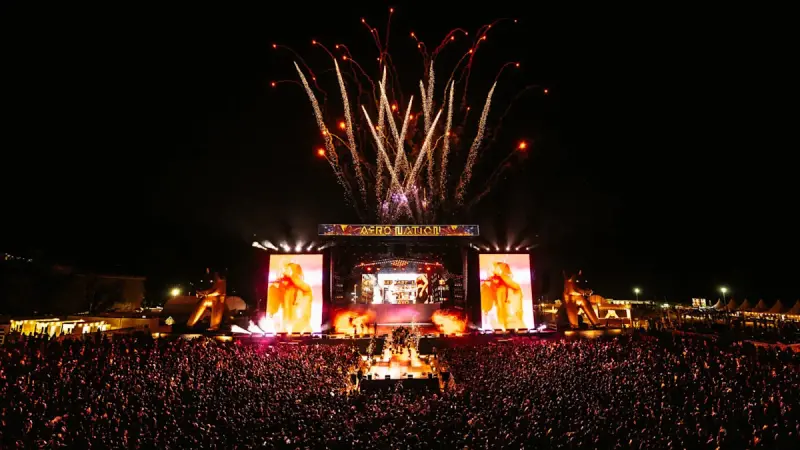
🔥 Afro Nation Portugal 2026: The Essential First-Timer’s Guide to the World’s Biggest Afrobeats Festival
Get the ultimate first-timer's guide to Afro Nation Portugal 2026 – the world's largest Afrobeats festival. Dates, tickets, travel tips, and what to expect in Portimão this July.
 👁️ 149 views
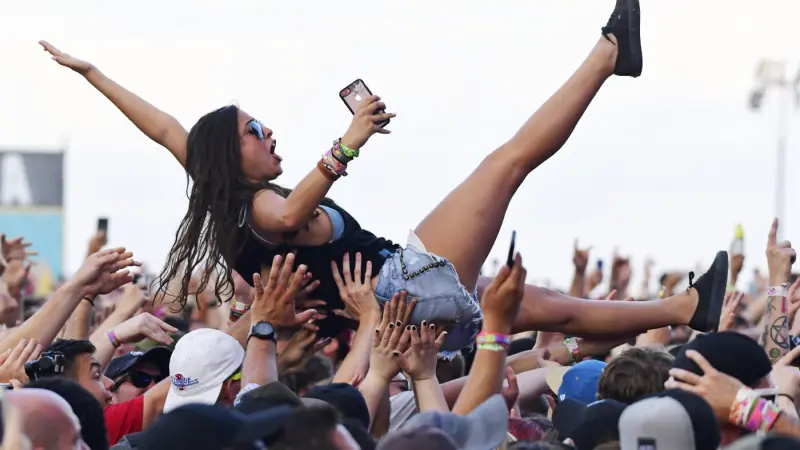
🔥 The Great Festival Cancellation of 2024: Why So Many Music Events Are Biting the Dust
Discover why over 60 music festivals canceled in 2024 alone—from rising costs and streaming algorithms to Gen Z's changing habits. Inside the festival recession.
Details
Send Us an Enquiry
We'll get back to you as soon as possible.
Thank You!
Your enquiry has been submitted. We'll be in touch shortly.