
Cat Stevens
 Previous

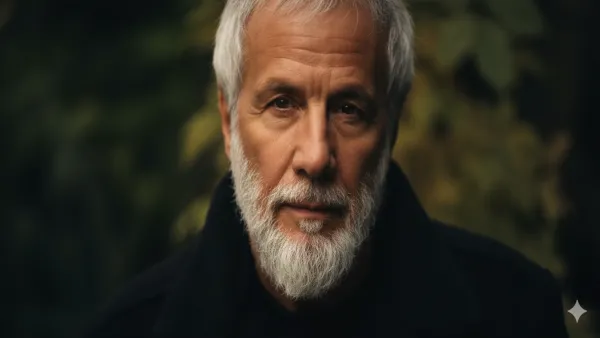
Cat Stevens, later known as Yusuf Islam, is a British singer-songwriter and multi-instrumentalist. His musical journey, marked by profound spiritual exploration, has captivated audiences worldwide. From his early pop hits to his later, more contemplative works, Stevens has left an indelible mark on the music industry. His life and career are a testament to the power of music as a vehicle for personal and artistic transformation. Cat Stevens's influence extends beyond mere entertainment; he has inspired generations with his introspective lyrics and his commitment to humanitarian causes.
Early Life and Career Beginnings of Cat Stevens
The Early Years and Musical Influences
Born Steven Demetre Georgiou in London, Cat Stevens's early life was shaped by a diverse cultural background. His father was Greek Cypriot, and his mother was Swedish. This multicultural upbringing exposed him to various musical styles, which influenced his eclectic sound. Growing up in the bustling environment of London, Stevens was drawn to the burgeoning music scene of the 1960s. He began playing guitar and writing songs at a young age, inspired by artists like Bob Dylan and the Beatles. His early compositions reflected his observations of the world around him, capturing the spirit of the era. Stevens's passion for music led him to pursue a career as a singer-songwriter, setting the stage for his rise to fame.
- His father owned a restaurant, which exposed Stevens to different cultures and people.
- He attended art school, where he honed his creative skills.
- Early musical influences included blues, folk, and pop music.
- He began performing in coffee houses and pubs in London.
- His first record deal came at the age of 18.
Breakthrough Success and Chart-Topping Hits
Cat Stevens's breakthrough came in the late 1960s with a string of chart-topping hits that established him as a major force in the music industry. Songs like "Matthew and Son" and "I'm Gonna Get a Gun" showcased his distinctive voice and songwriting talent. His music resonated with a wide audience, earning him critical acclaim and commercial success. Stevens's ability to blend catchy melodies with introspective lyrics set him apart from his contemporaries. He quickly became a household name, performing on television shows and touring extensively. His early success laid the foundation for his later, more profound musical explorations. The 'Cat Stevens' era was marked by a prolific output of songs that continue to be enjoyed by fans around the world.
- "Matthew and Son" reached number two on the UK Singles Chart.
- He suffered from tuberculosis, which forced him to take a break from music.
- The illness provided him with time for reflection and songwriting.
- He signed with Island Records, which gave him more creative control.
- His music began to explore deeper themes of spirituality and self-discovery.
Facts About Cat Stevens
- Age: 75
- Date of Birth: July 21, 1948
- Nickname: Cat
- Place of Birth: London, England
- Height: 5'8" (173 cm)
- Net Worth: $40 million
- Education: Hammersmith School of Art
- Family Background: Father Greek-Cypriot, mother Swedish
- Relationship Status: Married
- Spouse / Partner: Fauzia Mubarak Ali
- Children: Five
- Career Journey: Singer-songwriter, musician, philanthropist
- Early Life: Grew up in London, influenced by diverse cultures
- Biography: Known for his spiritual journey and musical evolution
- Profession: Singer-Songwriter
- Debut: "I Love My Dog" (1966)
- Major Achievements: Multi-platinum albums, induction into the Rock and Roll Hall of Fame
- Awards & Honors: Ivor Novello Awards, World Music Award
- Social Media Handles: @yusufcatstevens
- Instagram Followers: 300k+
- Instagram: https://instagram.com/yusufcatstevens
- Facebook: https://facebook.com/CatStevens
- YouTube: Generate a clickable YouTube channel link dynamically using the page name. Use https://youtube.com/channel/UCQZFCiMTsW5yYm_JsE-gH0g
- Official Website: https://www.yusufislam.com/
- Twitter: https://twitter.com/YusufCatStevens
- Hobbies: Painting, calligraphy, poetry
- Interests: Spirituality, humanitarian work, education
- Lifestyle: Devoted to family and charitable causes
- Philanthropy: Founded the Small Kindness charity
The Transformation: From Cat Stevens to Yusuf Islam
Spiritual Awakening and Name Change
In the late 1970s, Cat Stevens underwent a profound spiritual awakening that led him to embrace Islam. This transformation marked a significant turning point in his life and career. He adopted the name Yusuf Islam, reflecting his newfound faith and commitment to spiritual growth. This decision was not merely a change of name but a complete shift in his worldview and priorities. Yusuf Islam's music began to reflect his spiritual journey, incorporating Islamic themes and messages of peace and compassion. This period of transformation was met with both support and criticism from fans and the media. However, Yusuf Islam remained steadfast in his commitment to his faith and his artistic expression.
- He had a near-death experience while swimming in the ocean.
- He began studying the Quran and Islamic teachings.
- He officially converted to Islam in 1977.
- He auctioned off his guitars for charity.
- His new music focused on spiritual and humanitarian themes.
Hiatus from Music and Humanitarian Work
Following his conversion to Islam, Yusuf Islam took a hiatus from the mainstream music industry to focus on his faith and humanitarian work. He dedicated his time and resources to various charitable causes, including education and relief efforts. Yusuf Islam's commitment to helping others reflected his deep-seated belief in the importance of social justice and compassion. He founded the Small Kindness charity, which provides aid to orphans and families in need. His work extended beyond financial support, as he also sought to promote understanding and dialogue between different cultures and religions. This period of his life was marked by a profound sense of purpose and a commitment to making a positive impact on the world. The 'Cat Stevens' era was over, but the legacy of his music and his humanitarian efforts continued to inspire others.
- He established Muslim schools in London.
- He became involved in interfaith dialogue and peace initiatives.
- He faced controversy for his comments on the Salman Rushdie affair.
- He was denied entry into the United States due to his past statements.
- He continued to support charitable causes and promote education.
The concept of a Celebrity Portfolio Listing is essential for showcasing the diverse achievements and contributions of individuals like Cat Stevens, later known as Yusuf Islam. A comprehensive portfolio highlights their career milestones, philanthropic endeavors, and personal transformations, providing a holistic view of their impact on society.
Return to Music and Continued Influence
Re-emergence in the Music Scene
In the 2000s, Yusuf Islam returned to the music scene, much to the delight of his fans. His new music reflected his spiritual journey and his commitment to peace and understanding. He released several albums that showcased his evolved sound and his continued songwriting talent. Yusuf Islam's return was not merely a nostalgic revival but a renewed expression of his artistic vision. His music continued to resonate with audiences around the world, earning him critical acclaim and commercial success. This re-emergence demonstrated the enduring power of his music and his ability to connect with listeners on a deep emotional level. The legacy of 'Cat Stevens' was now intertwined with the spiritual journey of Yusuf Islam, creating a unique and compelling narrative.
- He released his first pop album in 28 years, "An Other Cup."
- He performed at various concerts and festivals around the world.
- His music continued to explore themes of peace, spirituality, and humanitarianism.
- He collaborated with other artists on various projects.
- He was inducted into the Rock and Roll Hall of Fame in 2014.
Legacy and Impact on Music and Culture
Cat Stevens, or Yusuf Islam, has left an indelible mark on music and culture. His songs have become timeless classics, and his spiritual journey has inspired countless individuals. His music continues to be played on the radio and streamed online, reaching new generations of listeners. Yusuf Islam's commitment to humanitarian work has also had a significant impact, inspiring others to get involved in charitable causes. His life story is a testament to the power of music as a vehicle for personal and artistic transformation. The legacy of 'Cat Stevens' and Yusuf Islam is one of creativity, compassion, and a deep commitment to making the world a better place. His influence extends beyond mere entertainment; he has inspired generations with his introspective lyrics and his dedication to humanitarian causes.
- His songs have been covered by numerous artists.
- His music has been featured in films and television shows.
- He has received numerous awards and accolades for his contributions to music and culture.
- His humanitarian work has made a positive impact on countless lives.
- His story continues to inspire others to pursue their passions and make a difference in the world.
A Celebrity Brand Marketing Agency can help artists like Cat Stevens, now known as Yusuf Islam, leverage their personal brand to amplify their message and reach a wider audience. By strategically aligning their values and artistic vision with marketing efforts, agencies can create impactful campaigns that resonate with fans and promote meaningful engagement.
Musical Style and Influences of Cat Stevens and Yusuf Islam
Evolution of Musical Style
Cat Stevens's musical style evolved significantly throughout his career, reflecting his personal and spiritual journey. In his early years, his music was characterized by catchy pop melodies and introspective lyrics. As he matured, his music became more folk-oriented, incorporating elements of world music and spiritual themes. After his conversion to Islam, his music took on a more devotional quality, reflecting his newfound faith. Yusuf Islam's later works often featured Islamic instruments and vocal styles, creating a unique blend of Eastern and Western musical traditions. This evolution of musical style demonstrates his willingness to experiment and his commitment to expressing his authentic self through his art. The musical journey of 'Cat Stevens' and Yusuf Islam is a testament to the power of music as a vehicle for personal and artistic transformation.
- Early influences included Bob Dylan, the Beatles, and Nina Simone.
- His music incorporated elements of folk, pop, and rock.
- After his conversion to Islam, his music reflected his spiritual beliefs.
- He incorporated Islamic instruments and vocal styles into his music.
- His later works often featured collaborations with other artists from diverse backgrounds.
Key Musical Characteristics
Cat Stevens's music is characterized by several key elements that have contributed to its enduring appeal. His distinctive voice, with its warm and expressive tone, is instantly recognizable. His songwriting is marked by its introspective lyrics, which often explore themes of love, loss, and spiritual seeking. His use of acoustic instruments, such as guitar and piano, creates a intimate and personal atmosphere. Yusuf Islam's later music also incorporates elements of Islamic musical traditions, such as the use of the oud and the ney. These key musical characteristics have helped to define his unique sound and have made his music timeless and universally appealing. The 'Cat Stevens' sound, now evolved into Yusuf Islam's, continues to inspire musicians and captivate audiences worldwide.
- His distinctive voice and songwriting style.
- His use of acoustic instruments.
- His introspective and thought-provoking lyrics.
- His incorporation of Islamic musical traditions.
- His ability to connect with listeners on a deep emotional level.
Final Thoughts on Cat Stevens/Yusuf Islam
The story of Cat Stevens, who became Yusuf Islam, is one of profound personal and artistic transformation. From his early pop hits to his later spiritual explorations, his music has touched the hearts of millions. His journey reflects a deep commitment to self-discovery and a willingness to embrace change. Yusuf Islam's humanitarian work further underscores his dedication to making a positive impact on the world. His legacy is a testament to the power of music to inspire, heal, and connect people across cultures and beliefs. The evolution of 'Cat Stevens' into Yusuf Islam is a compelling narrative of artistic growth and spiritual awakening, leaving an enduring mark on the world of music and beyond.
Disclaimer: All celebrity-related content, information, and images on this website are based on publicly available online sources and AI-generated insights/data. Information such as biography, age, career, personal details, and images may change without notice over time. While we strive for accuracy, we do not guarantee the accuracy, completeness, reliability, or timeliness of any information or imagery displayed on this website. This content is provided for general informational purposes only.
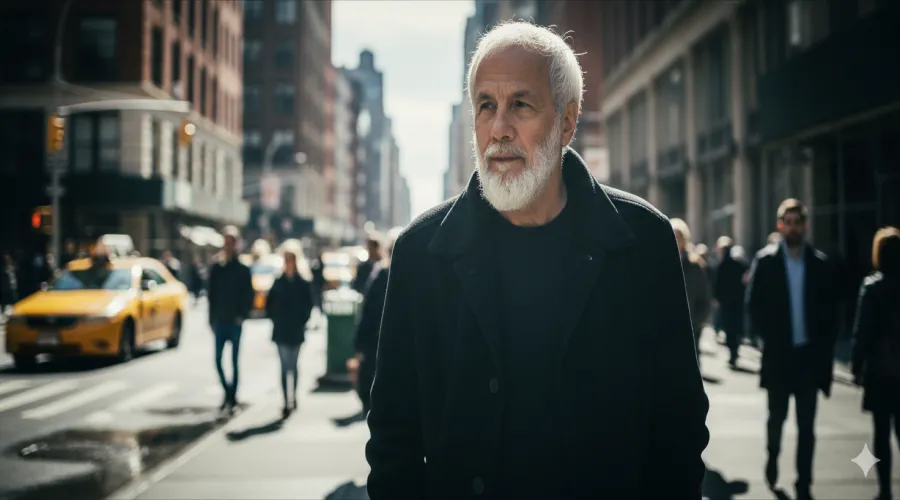
Iconic Photos of Cat Stevens



Top Trending News of Cat Stevens
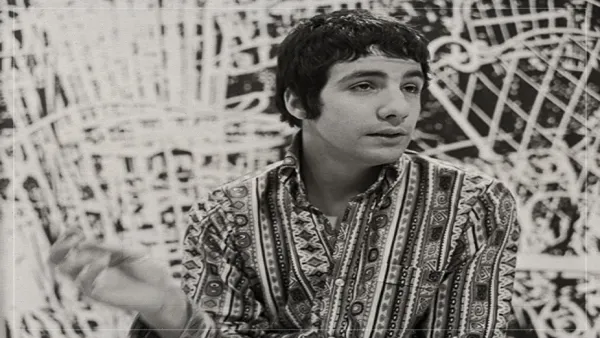 👁️ 127 views
🔥 Songs That Inspired Yusuf/Cat Stevens
Yusuf/Cat Stevens reveals key influences: The Beatles' 'There's A Place,' Booker T's 'Green Onions,' Stevie Wonder's 'Saturn' & Michael Jackson's 'Earth Song'
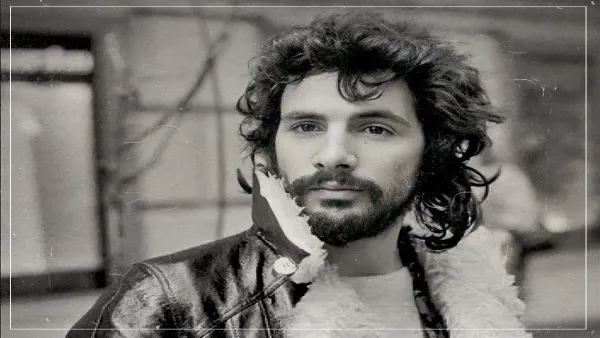 👁️ 88 views
🔥 Why Cat Stevens Became Yusuf Islam
Cat Stevens changed his name to Yusuf Islam after converting to Islam in 1977, seeking a new identity aligned with his faith following a spiritual awakening.








Details
Send Us an Enquiry
We'll get back to you as soon as possible.
Thank You!
Your enquiry has been submitted. We'll be in touch shortly.