
 Previous

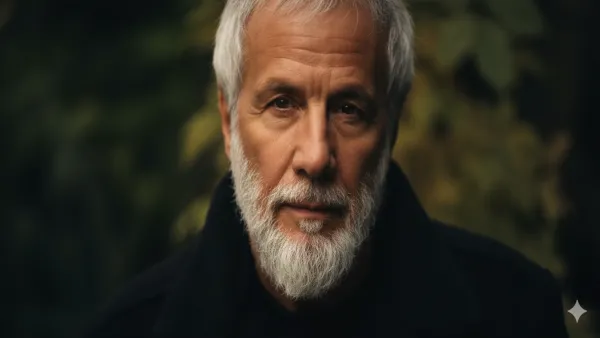
The singer-songwriter born Steven Demetre Georgiou—better known as Cat Stevens—officially changed his name to Yusuf Islam in 1978, shortly after converting to Islam on December 23, 1977. This transformation marked a profound personal and spiritual shift that led him to step away from his hugely successful music career for nearly three decades.
A Spiritual Journey Leading to Conversion
Cat Stevens' path to Islam began in the mid-1970s amid personal crises and near-death experiences. In 1968, he had already survived a near-fatal bout of tuberculosis, which prompted early introspection and a shift toward more introspective, spiritual songwriting in albums like Tea for the Tillerman (1970) and Teaser and the Firecat (1971).
A pivotal moment came in 1975 during a near-drowning incident in the Pacific Ocean while swimming off Malibu. Struggling in rough waters, he prayed for divine help, vowing that if God saved him, he would dedicate his life to serving Him. He credited his survival to this plea. His brother later brought him a copy of the Qur’an from Jerusalem, which Stevens found deeply resonant. He described it as providing clear guidance on life’s purpose, reality, and his own identity—answering questions he had explored through tarot, astrology, Christianity, and Buddhism.
In interviews, including with Larry King in 2004 and various BBC features, he explained that the Qur’an felt like “the true religion” that explained everything to him. This conviction led to his formal conversion to Islam in late 1977.
Choosing the Name Yusuf
Upon converting, he adopted Yusuf as his first name—the Arabic equivalent of Joseph (Yossef in Hebrew), meaning “God increases” or “God will add.” The name held personal significance as a reflection of his renewed faith and spiritual growth.
He added Islam as a surname to signify his new religious identity and commitment. The full name Yusuf Islam symbolized a complete break from his past persona and a dedication to living according to Islamic principles.
Impact on His Career and Life
Believing that much of secular music (particularly if it promoted immorality or distraction from faith) conflicted with his new beliefs, he largely retired from pop music after his 1978 album Back to Earth. He redirected royalties to charitable causes, focused on Muslim education (founding schools in the UK), and released occasional devotional and children’s albums under the name Yusuf Islam.
Over time, his views on music evolved. By the late 1990s and 2000s, he returned to performing, initially as Yusuf (dropping “Islam” from some credits), and later as Yusuf / Cat Stevens starting around 2017—re-embracing his old stage name while honoring his faith. Albums like The Laughing Apple (2017), Tea for the Tillerman² (2020), and King of a Land (2023) reflect this reconciliation.
The name change wasn’t just cosmetic; it represented a deliberate rebirth. As he has reflected in recent interviews and his memoir Cat on the Road to Findout (2025), it was about aligning his identity with his deepest convictions after years of searching for meaning. Today, at 77, he performs under both names, bridging his folk-rock legacy with his lifelong spiritual path.
Source - https://faroutmagazine.co.uk/songs-that-inspired-yusuf-cat-stevens-to-greatness/
Disclaimer - All celebrity-related content, information, and images on this website are based on publicly available online sources and AI-generated insights/data. Information such as biography, age, career, personal details, and images may change without notice over time. While we strive for accuracy, we do not guarantee the accuracy, completeness, reliability, or timeliness of any information or imagery displayed on this website. This content is provided for general informational purposes only.
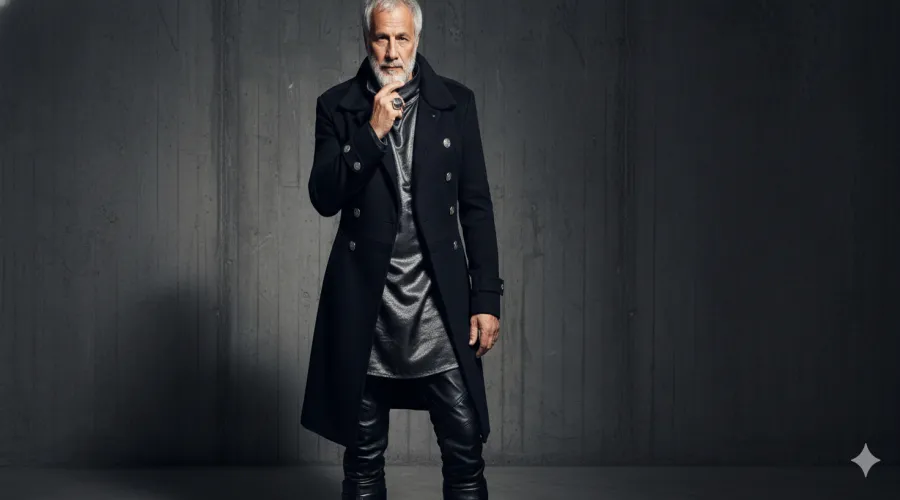
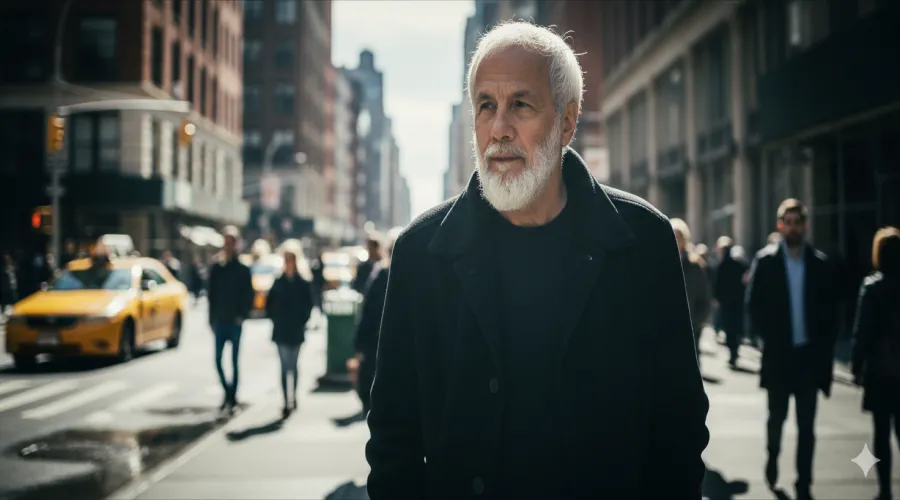
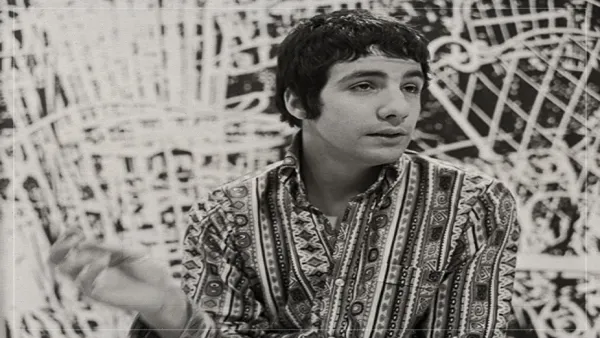
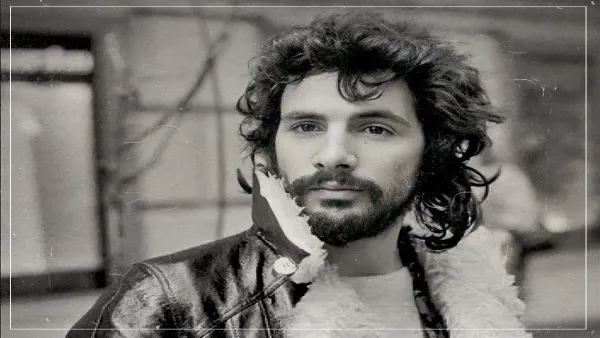
Iconic Photos of Cat Stevens


Top Trending News of Cat Stevens
 👁️ 121 views
🔥 Songs That Inspired Yusuf/Cat Stevens
Yusuf/Cat Stevens reveals key influences: The Beatles' 'There's A Place,' Booker T's 'Green Onions,' Stevie Wonder's 'Saturn' & Michael Jackson's 'Earth Song'
 👁️ 83 views
🔥 Why Cat Stevens Became Yusuf Islam
Cat Stevens changed his name to Yusuf Islam after converting to Islam in 1977, seeking a new identity aligned with his faith following a spiritual awakening.





Details
Send Us an Enquiry
We'll get back to you as soon as possible.
Thank You!
Your enquiry has been submitted. We'll be in touch shortly.