
From Acoustic Tearjerker to Stadium Anthem: The Reimagined Journey of ‘Wild World’
 Previous

The Timeless Ballad That Refused to Fade
Some songs are destined to live more than one life. Cat Stevens’ 1970 masterpiece “Wild World” is exactly that kind of song—a tender, acoustic farewell that began as a deeply personal breakup note and somehow morphed into a global soft rock anthem 23 years later. According to Screenshot (550).png, the track’s journey is a testament to the enduring power of great songwriting.
When Stevens released “Wild World” on his landmark album Tea for the Tillerman, the world was still wrapped in the gentle aftermath of the folk boom. The song’s delicate guitar work, subtle percussion, and Stevens’ warm, conversational vocal immediately struck a chord. But few could have predicted that in 1993, a hard-rocking band called Mr. Big would strip the song of its folk roots and rebuild it into a polished arena-ready anthem that introduced an entirely new generation to its magic.
The Heartbreak Behind the Melody
“Wild World” wasn’t just a random love song—it was a raw, real goodbye. As detailed in Screenshot (550).png, Stevens wrote it for his then-girlfriend Patti D’Arbanville. In his own words to Billboard, he explained: “Wild World was really my parting song with my girlfriend Patti D’Arbanville. We’d had some great times together, but I started recording and she was doing her modeling and it just became like two different worlds.”
Stevens went on to say that the song was also a message to himself. Having nearly “fallen off the planet” during his earlier years, he was acutely aware of the dangers lurking in the world—and the lyrics became both a warning to D’Arbanville and a meditation on his own upcoming journey.
The original recording was stripped back and vulnerable. As Stevens told Louder, “I was just following my heart, and the music was coming out and was being dressed absolutely appropriately with the musicians that I had, and kept very sparse and pure. It was a very purist period of songwriting and recording.”
Cat Stevens: The Man Who Became Yusuf Islam
To fully appreciate the weight of “Wild World,” one must understand the man behind it. Steven Demetre Georgiou, known professionally as Cat Stevens, was already a massive star in the late 1960s and early 1970s. Hits like “Father and Son,” “Morning Has Broken,” and “Peace Train” made him one of the defining voices of the singer-songwriter era. But in 1977, he was diagnosed with a life-threatening illness—tuberculosis and a collapsed lung—that forced him into a long recovery. During that time, he turned to spirituality, eventually converting to Islam and changing his name to Yusuf Islam. He walked away from music for nearly two decades, dedicating himself to philanthropy and religious study.
That make “Wild World” even more poignant: it was written at the peak of his commercial and artistic powers, right before his life took a dramatic turn. The song stood as a perfect capsule of his early career—intimate, poetic, and achingly honest.
Mr. Big: From Hard Rock to Soft Rock Glory
Fast forward to 1993. Mr. Big, a band known for its technical virtuosity—especially the blistering guitar work of Paul Gilbert—had just scored a monster global hit with “To Be With You,” an acoustic ballad that hit No. 1 in the United States and across dozens of countries. That track unexpectedly became their signature, so when it came time to record their third album Bump Ahead, the band decided to double down on the ballad formula with a cover of “Wild World.”
According to Screenshot (550).png, Mr. Big’s version was not a mere copy. They wrapped Stevens’ original melody in polished electric guitars, richer harmonies, and a more muscular rock production. Frontman Eric Martin delivered soaring vocals that turned the intimate farewell into a stadium-ready anthem. The song retained its emotional core but gained a completely new energy.
Why It Worked: The Alchemy of a Cover
Mr. Big’s gamble paid off massively. Their “Wild World” became a major international hit, charting in multiple European and Asian countries while earning heavy radio airplay. For young listeners in the 1990s, this was the first time they heard Stevens’ lyrical genius—even if they didn’t know it yet. The cover also became a staple of the band’s live sets, often played during a stripped-down acoustic segment.
Martin explained the logic to Pop Dose (as cited in Screenshot (550).png): “I think when I wrote ‘To Be With You’ and I brought it into Mr. Big, I started playing acoustic guitar and singing [and doing] the token ‘white boy on the acoustic guitar’ thing where I did ‘To Be With You’ and the ballad kind of stuff with ‘Wild World’ and the more stripped down stuff. We kind of had the [part of the show] where we’d play the heavy rock and then we’d have a little B-stage and play the little acoustic songs.”
The contrast between the band’s usual heavy rock image and these delicate ballads created a compelling dynamic that sold albums and filled arenas.
The Enduring Legacy of a Song That Refuses to Age
More than 50 years after Cat Stevens first recorded “Wild World,” the song continues to resonate. Its ability to cross genres and generations is rare. The original version remains a staple of classic rock, folk, and soft rock radio. Mr. Big’s reinterpretation proved that a song doesn’t have to stay in its original form to reach new ears—it can evolve and still break hearts.
The story, as laid out in Screenshot (550).png, also highlights the universal theme of letting go with grace. Whether sung by a lone troubadour with an acoustic guitar or by a full rock band with soaring harmonies, the message remains the same: the world is wild, but love and hope can endure.
Key Takeaways from the Two Versions
- Cat Stevens (1970): Sparse, folk-influenced arrangement; intimate vocal delivery; acoustic guitar and subtle percussion; deeply personal lyrics inspired by his relationship with Patti D’Arbanville.
- Mr. Big (1993): Polished, electric rock production; powerful vocal from Eric Martin; fuller harmonies; arena-ready sound that preserves the song’s emotional weight while adding commercial heft.
- Impact: Both versions achieved significant chart success and radio play. Mr. Big’s cover introduced “Wild World” to a generation that hadn’t heard the original, ensuring the song’s longevity in pop culture.
In a time when music consumption is more fragmented than ever, the fact that a song written half a century ago can still find new life in a completely different arrangement is remarkable. It’s a reminder that the best songwriting isn’t bound by era, style, or genre. It simply speaks the truth—and people listen.
Disclaimer - All celebrity-related content, information, and images on this website are based on publicly available online sources and AI-generated insights/data. Information such as biography, age, career, personal details, and images may change without notice over time. While we strive for accuracy, we do not guarantee the accuracy, completeness, reliability, or timeliness of any information or imagery displayed on this website. This content is provided for general informational purposes only.
Iconic Photos of Cat Stevens



Top Trending News of Cat Stevens
 👁️ 120 views
🔥 Songs That Inspired Yusuf/Cat Stevens
Yusuf/Cat Stevens reveals key influences: The Beatles' 'There's A Place,' Booker T's 'Green Onions,' Stevie Wonder's 'Saturn' & Michael Jackson's 'Earth Song'
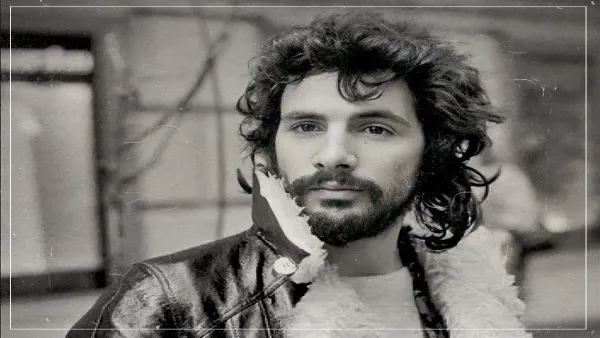 👁️ 81 views
🔥 Why Cat Stevens Became Yusuf Islam
Cat Stevens changed his name to Yusuf Islam after converting to Islam in 1977, seeking a new identity aligned with his faith following a spiritual awakening.


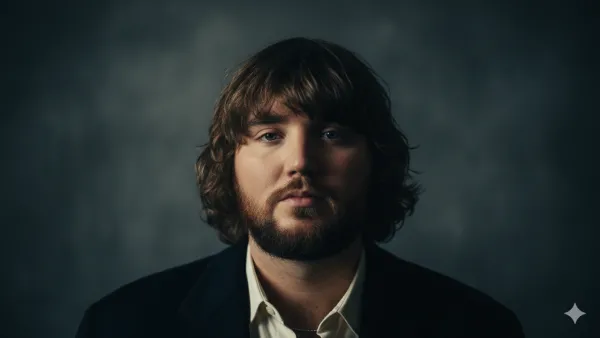







Details
Send Us an Enquiry
We'll get back to you as soon as possible.
Thank You!
Your enquiry has been submitted. We'll be in touch shortly.