
Songs That Inspired Yusuf/Cat Stevens
 Previous

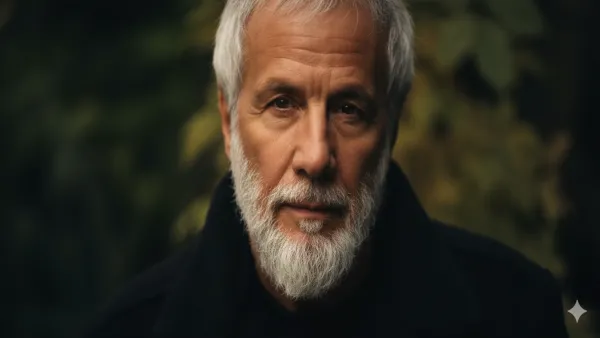
Yusuf/Cat Stevens, the iconic singer-songwriter behind timeless classics like "Wild World," "Father and Son," "Peace Train," and "Moonshadow," has long credited a diverse array of musical influences for shaping his unique folk-pop sound and introspective style. In recent reflections—including a featured piece highlighting his picks—Stevens emphasized the profound role certain songs played in sparking his creativity and guiding him toward artistic greatness.
Known for blending folk, rock, soul, and spiritual themes, Stevens' early exposure to these tracks helped him transition from teen pop beginnings to the profound, reflective songwriting that defined his 1970s peak and enduring legacy.
The Beatles – 'There's A Place' (1963)
Stevens has repeatedly singled out The Beatles as an inescapable force in his development. “It would be impossible not to mention the impact of The Beatles,” he explained in interviews. Among their vast catalog, he points to the early track "There's A Place" from Please Please Me as particularly resonant. The song's introspective lyrics about finding inner refuge amid emotional turmoil mirrored Stevens' own emerging themes of self-discovery and solitude. He described it as capturing "a place" of personal escape—echoing the meditative quality that would define songs like "The Wind" and "Father and Son." The Fab Four's arrival in the mid-1960s ignited his songwriting spark, pushing him to pick up a guitar and create rather than just imitate.
Booker T. & the M.G.'s – 'Green Onions' (1962)
The gritty, organ-driven instrumental "Green Onions" by Booker T. & the M.G.'s stands out as a foundational influence on Stevens' groove and rhythm sense. This soulful R&B classic introduced him to the power of simple, infectious instrumentation and the emotional weight carried without lyrics. Stevens has highlighted its raw energy and timeless feel as key to understanding how music can communicate universally—lessons he applied to his own rhythmic folk arrangements and soul-infused melodies.
Stevie Wonder – 'Saturn' (1976)
From Stevie Wonder's Songs in the Key of Life, "Saturn" represents a later but deeply impactful influence during a creative dry spell for Stevens. Wonder's genius blend of spirituality, social commentary, and melodic innovation left an indelible mark. Stevens has spoken of being "blown away" by Wonder's voice, arrangements, and visionary songcraft, calling him a "genius" whose work felt impossible to surpass. The track's cosmic, hopeful themes aligned with Stevens' own evolving spiritual journey, reinforcing his shift toward music as a vehicle for peace and reflection.
Michael Jackson – 'Earth Song' (1995)
In a nod to broader humanitarian concerns, Stevens has praised Michael Jackson's epic "Earth Song" for its powerful environmental and existential message. The song's dramatic build, passionate delivery, and call for global awareness resonated with Stevens' longstanding advocacy for peace and the planet—echoed in tracks like "Where Do the Children Play?" Its scale and emotional intensity demonstrated how pop could tackle profound issues, inspiring Stevens in his later work and humanitarian efforts.
Broader Musical Roots and Lasting Impact
Beyond these specific songs, Stevens' influences span genres: from rock 'n' roll pioneers like Little Richard and Buddy Holly, to soul legends Nina Simone and Ray Charles, folk icons Bob Dylan, and even classical composers like Beethoven. Musical theatre also shaped his unpredictable melodies and storytelling. These elements combined to create his signature style—intimate yet expansive, spiritual yet accessible.
Stevens' reflections underscore how these tracks weren't just inspirations; they were catalysts that helped him forge a path of authenticity and depth. As he continues to perform and record under Yusuf/Cat Stevens, the echoes of these formative songs remain evident in his enduring catalog.
For fans rediscovering his work or exploring his influences, these picks offer a window into the artistry that made him one of the most revered singer-songwriters of his generation. The impact, as Stevens himself notes, is impossible to overlook.
Source - https://faroutmagazine.co.uk/why-did-cat-stevens-change-his-name-to-yusuf/
Disclaimer - All celebrity-related content, information, and images on this website are based on publicly available online sources and AI-generated insights/data. Information such as biography, age, career, personal details, and images may change without notice over time. While we strive for accuracy, we do not guarantee the accuracy, completeness, reliability, or timeliness of any information or imagery displayed on this website. This content is provided for general informational purposes only.
Iconic Photos of Cat Stevens




Top Trending News of Cat Stevens
👁️ 120 views
🔥 Songs That Inspired Yusuf/Cat Stevens
Yusuf/Cat Stevens reveals key influences: The Beatles' 'There's A Place,' Booker T's 'Green Onions,' Stevie Wonder's 'Saturn' & Michael Jackson's 'Earth Song'
 👁️ 81 views
🔥 Why Cat Stevens Became Yusuf Islam
Cat Stevens changed his name to Yusuf Islam after converting to Islam in 1977, seeking a new identity aligned with his faith following a spiritual awakening.










Details
Send Us an Enquiry
We'll get back to you as soon as possible.
Thank You!
Your enquiry has been submitted. We'll be in touch shortly.