
Educational Services Articles
Explore 93 business insights in all locations

Educational Services
Apr 04, 2026
The Society of Construction Law : Shaping Legal Excellence
The construction industry is one of the most complex, high-stakes sectors of the global economy. From the development of iconic London skyscrapers to massive infrastructure projects in the North of England, the successful delivery of these ventures relies not just on engineering prowess, but on a robust legal framework. Since 1983, the Society of Construction Law (UK) (SCL) has stood as the definitive professional body dedicated to the education, study, and research of construction law.
With nearly 3,000 members representing every facet of the industry—including solicitors, barristers, architects, engineers, surveyors, and project managers—SCL (UK) is more than just a membership organization; it is a vital repository of knowledge and a catalyst for industry-wide reform.
The Genesis of SCL (UK): A History of Innovation
The Society of Construction Law was born out of a necessity for interdisciplinary collaboration. Founded in 1983 by legal and construction luminaries such as Conrad Freedman, Geoffrey Hawker, and His Honour Humphrey LLoyd KC, the Society aimed to bridge the gap between the "bricks and mortar" of the building site and the technicalities of the courtroom.
In its early years, construction law was often viewed as a subset of general commercial law. However, the founding members recognized that the unique risks associated with delay, disruption, and multi-party disputes required a specialized forum. Today, headquarted in Oxted, Surrey, the Society has grown from a small group of London-based professionals into a nationwide powerhouse with global influence.
Core Mission and Public Benefit
At its heart, SCL (UK) is governed by a commitment to the public benefit. Its primary mission is to promote the study and research of construction law and related subjects, such as arbitration, adjudication, and alternative dispute resolution (ADR).
By facilitating the exchange of information between different sectors of the industry, the Society helps reduce the frequency of disputes and promotes "best practice" in contract administration. This educational focus ensures that the legal principles governing the industry evolve in tandem with technological and economic shifts.
Membership: Joining the Elite of Construction Law
Membership in the Society of Construction Law (UK) is a hallmark of professional standing. It is open to anyone with an interest in the field, creating a diverse ecosystem where a junior quantity surveyor can learn alongside a King’s Counsel.
Key Member Benefits:
The SCL Research Library: Access to an extensive online archive of over 250 specialist papers, many of which are cited in court and in academic texts.
Lectures and Networking: Frequent high-level lectures in London and regional hubs like Manchester, Leeds, and Bristol.
The Member Directory: A searchable database that facilitates peer-to-peer networking and professional referrals.
Academic Links: Strong institutional connections with the Technology and Construction Court (TCC) and universities like King’s College London.
The Hudson Prize: Celebrating Original Research
One of the most prestigious accolades in the legal world is the SCL Hudson Prize. Awarded annually for original research on a subject related to construction law, the prize attracts entries from around the globe. Winning papers often set the agenda for future legal debates, covering topics from "Letters of Intent" to the impact of "BIM (Building Information Modelling)" on liability.
The prize underscores the Society’s role as a thought leader, encouraging both seasoned practitioners and academic researchers to push the boundaries of current legal thinking.
SCL Astra: Empowering the Next Generation
Recognizing the importance of supporting those in the early stages of their careers, the Society launched the "Astra" initiative. SCL Astra is specifically designed for professionals with fewer than ten years of experience. Through dedicated workshops, social events, and mentoring opportunities, Astra ensures that the future of construction law is in capable hands.
Navigating Dispute Resolution: Arbitration and Adjudication
Disputes are an inherent risk in construction. SCL (UK) plays a critical role in refining the mechanisms used to resolve these conflicts. The Society’s work in adjudication—a fast-track dispute resolution process mandated by UK law—has been instrumental in helping contractors maintain cash flow during projects.
Furthermore, the Society’s publications often provide the "gold standard" for analyzing Delay and Disruption. The SCL Delay and Disruption Protocol is used worldwide as a guide for parties looking to resolve time-related claims fairly and efficiently.
Global Reach and Brand Associations
While its administrative heart is in the UK, the Society is a founding member of SCL International. There are sister societies in Europe, Asia, and the Middle East, all sharing the common goal of promoting legal excellence. This international network allows members to stay informed about global trends, such as the adoption of NEC or FIDIC contracts in emerging markets.
Practical Information for Professionals
For those looking to engage with the Society, its administrative operations are streamlined and accessible:
Physical Address: c/o McKenzies, 2 Station Road West, Oxted, Surrey, RH8 9EP.
Administration: Led by Jill Ward and Frances Whitehead.
Online Presence: The SCL Website serves as the primary portal for membership applications, event registrations, and document downloads.
The Future of Construction Law
As the construction industry moves toward a more sustainable and digital future—incorporating AI, modular building, and green energy—the legal challenges will only become more intricate. The Society of Construction Law (UK) remains committed to being the industry’s "North Star," providing the educational resources and collaborative environment necessary to navigate these changes.
Whether you are a lawyer drafting the next generation of smart contracts or a project manager seeking to understand your rights under a standard form, SCL (UK) offers the tools and community to ensure success.
Frequently Asked Questions
Who can join the Society of Construction Law (UK)?
Membership is open to anyone interested in construction law, including lawyers, engineers, architects, surveyors, and students.
How many specialist papers does SCL have?
The SCL library contains over 250 specialist papers covering a vast range of legal and technical topics.
What is SCL Astra?
SCL Astra is a dedicated network for junior professionals (typically those under 10 years PQE or industry experience) to network and learn.
What is the Hudson Prize?
The Hudson Prize is a prestigious annual award for an original essay or research paper on construction law.
Does the Society offer regional events?
Yes, while many events are in London, SCL has a vibrant regional network with events across the UK.
Is SCL (UK) part of a global network?
Yes, it is a founding member of SCL International, which includes societies from around the world.
How do I access the SCL Research Library?
The library is accessible via the SCL website; most papers are free for members and available for purchase by non-members.
Does SCL provide legal advice?
No, SCL is an educational and research body. It does not provide specific legal advice on individual cases.
Who are the current administrators of SCL (UK)?
Administrative queries are handled by Jill Ward and Frances Whitehead.
How can I apply for membership?
Applications are submitted online through the SCL Membership Portal.
Leicester
5 Views
Educational Services
Apr 04, 2026
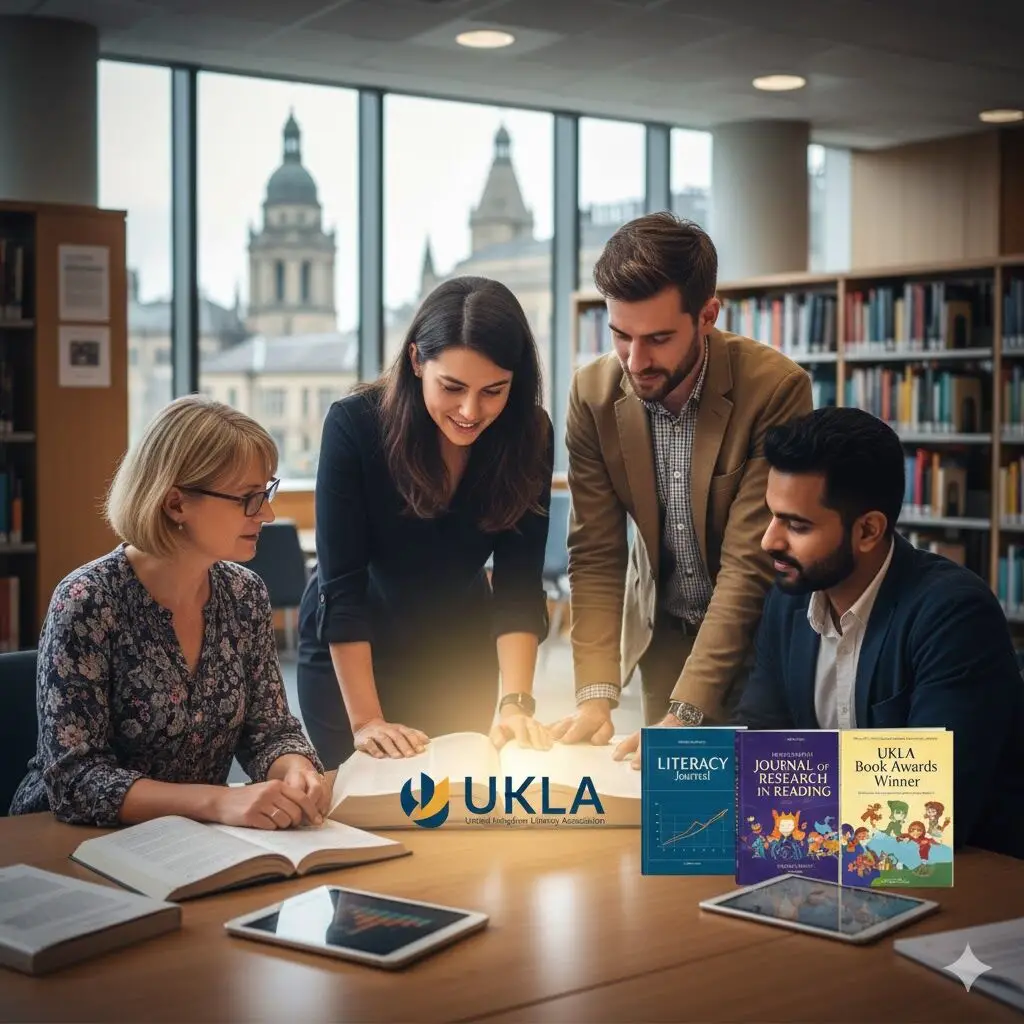
UKLA: Advancing Literacy Education and Research
The United Kingdom Literacy Association (UKLA) stands as a cornerstone of the educational landscape in Great Britain and beyond. Since its inception in 1963, this registered charity has tirelessly advocated for the advancement of literacy in all its forms—spanning spoken language, reading, writing, and the ever-evolving digital and multimodal literacies of the 21st century.
The Evolution of Excellence: From UKRA to UKLA
Originally founded as the United Kingdom Reading Association (UKRA), the organization’s primary focus was the cognitive mechanics of reading. However, as the digital age dawned and the definition of "being literate" expanded, the association underwent a pivotal transformation. In 2003, it rebranded as the United Kingdom Literacy Association (UKLA) to reflect a more holistic remit.
Today, UKLA is not just about books; it is about communication, critical thinking, and the social justice inherent in ensuring every learner, regardless of background, has the tools to thrive. Headquartered in Leicester, the association serves as a vital bridge between rigorous academic research and the day-to-day realities of the classroom.
A Mission Driven by Research and Advocacy
The core mission of UKLA is to promote high standards in literacy education by fostering a rich dialogue between educators, researchers, and policymakers. In an era where educational policy can often be driven by political cycles, UKLA provides a stable, evidence-based voice.
Key Objectives:
Promoting Research: Funding and disseminating studies that investigate how children and adults learn to communicate.
Influencing Policy: Providing expert testimony and position papers to government bodies to ensure literacy curricula remain effective and inclusive.
Professional Development: Empowering teachers through a continuous stream of webinars, regional conferences, and resource portals.
Celebrating Quality: Highlighting the best in children’s literature through the prestigious UKLA Book Awards.
The UKLA Book Awards: Judged by Teachers, for Learners
Perhaps the most famous branch of the association’s work is the UKLA Book Awards. Unlike other literary prizes that rely on professional critics or public voting, the UKLA awards are unique: they are the only national awards judged entirely by practicing teachers.
This ensures that the winning titles are not just aesthetically pleasing or commercially successful, but have been "stress-tested" in the classroom. Teachers evaluate books based on their ability to engage pupils, spark discussion, and reflect the diverse identities of modern Britain.
Award Categories Include:
Fiction and Poetry (Ages 3-6)
Fiction and Poetry (Ages 7-10+)
Fiction and Poetry (Ages 11-14+)
Information Books (Ages 3-14+)
Academic Rigor: Peer-Reviewed Journals
For researchers and higher education professionals, UKLA is synonymous with two of the field's most respected publications:
Literacy: This journal focuses on the development of literacy education and explores the relationship between theory and practice.
Journal of Research in Reading: A world-class refereed journal that provides an international forum for researchers into the psychological and social aspects of literacy.
Members gain exclusive access to these journals, ensuring they remain at the cutting edge of global pedagogical trends.
Membership: Joining a Collaborative Community
UKLA is a membership-driven organization. Its strength lies in its diverse community, which includes primary and secondary teachers, local authority consultants, teacher educators, and international scholars.
Why Join UKLA?
Professional Networking: Access to Special Interest Groups (SIGs) focusing on areas like "Digital Literacies" or "Reading for Pleasure."
Research Grants: The opportunity to apply for funding (up to £3,000) to conduct classroom-based research.
Discounts: Significant savings on international conference fees and UKLA-published books and guides.
Resources: Access to a members-only portal featuring "English 4-11" magazine and specialized teaching toolkits.
Global Impact and Local Roots
While its administrative heart is in Leicestershire, UKLA’s influence is truly global. As a prominent member of the Federation of European Literacy Associations (FELA), UKLA collaborates with partners across the continent to share best practices. Locally, they maintain a network of Regional Representatives who organize grassroots events, ensuring that even the most remote schools have access to top-tier professional development.
Strategic Specializations
UKLA does not just teach "reading and writing." They specialize in the nuances of modern communication:
Multimodal Literacies: Understanding how text, image, and sound interact in digital spaces.
Reading for Pleasure: In partnership with organizations like The Open University, UKLA emphasizes the importance of motivation and "will" in developing lifelong readers.
Diversity and Inclusion: Ensuring the "Brenda Eastwood Award" continues to highlight educators who champion inclusion in their literacy teaching.
Contact and Administrative Information
For those looking to engage with the association, the UKLA maintains an open and accessible helpdesk.
Physical Location: c/o Voluntary Action Leicestershire, 9 Newarke Street, Leicester, LE1 5SN.
Helpdesk Number: +44 (0) 7933 724030
Email: admin@ukla.org
Official Website: https://ukla.org
The Future of Literacy
As we move further into a digital-first world, the role of the United Kingdom Literacy Association becomes even more critical. By maintaining its commitment to research-informed practice and teacher-led evaluation, UKLA ensures that literacy remains a human right and a gateway to a better future. Whether you are a newly qualified teacher or a veteran researcher, UKLA provides the community and resources to help you make a lasting impact on the lives of learners.
Frequently Asked Questions
What does UKLA stand for?
UKLA stands for the United Kingdom Literacy Association.
Is UKLA a government agency?
No, UKLA is an independent professional body and a registered charity (Charity No: 1190848).
Who can join the United Kingdom Literacy Association?
Membership is open to anyone involved in literacy education, including teachers, students, researchers, librarians, and consultants.
What are the UKLA Book Awards?
They are national awards for children’s literature, uniquely judged by classroom teachers to identify books that work best in educational settings.
Where is the UKLA headquarters located?
The administrative office is located in Leicester, United Kingdom, specifically at Voluntary Action Leicestershire on Newarke Street.
Does UKLA provide funding for literacy research?
Yes, UKLA offers research grants of up to £3,000 to members to support innovative literacy projects and studies.
How many journals does UKLA publish?
UKLA publishes two major refereed journals: Literacy and the Journal of Research in Reading.
Can international educators join UKLA?
Absolutely. UKLA has a strong international membership base and is a member of the Federation of European Literacy Associations (FELA).
What payment methods are accepted for membership?
Payment can be made via Bank Transfer (BACS), Credit/Debit Cards, PayPal, or through the online membership portal.
How can I contact the UKLA helpdesk?
You can reach them at +44 (0) 7933 724030 or by emailing admin@ukla.org.
Leicester
6 Views
Educational Services
Apr 04, 2026
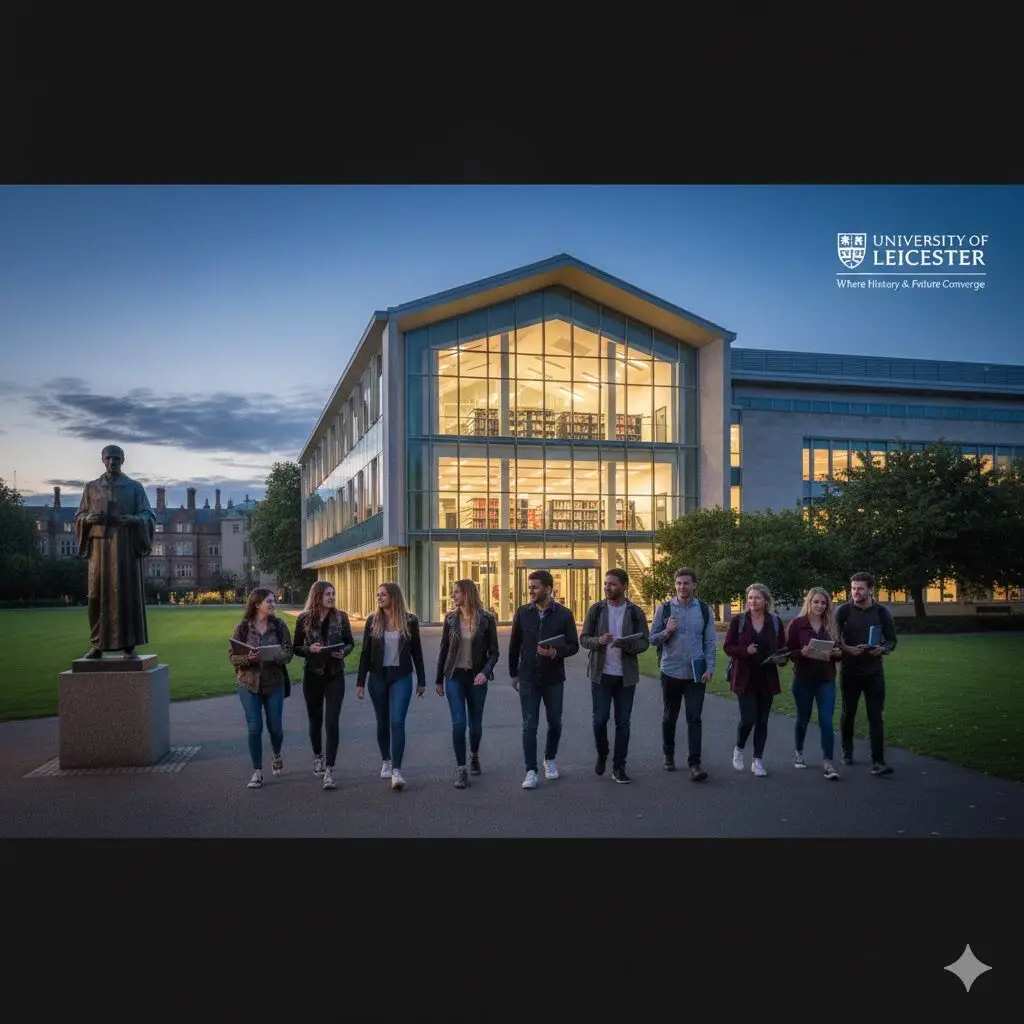
University of Leicester: A Global Hub for Research and Innovation
The University of Leicester stands as a beacon of academic excellence and social responsibility in the heart of the United Kingdom. Founded in 1921 as a living memorial to those who served in the First World War, the university operates under the powerful motto Ut vitam habeant ("So that they may have life"). Today, it is recognized globally as a research-intensive institution that consistently breaks barriers in science, humanities, and social impact.
Whether you are looking for undergraduate degrees, masters programs, or PhD research opportunities, Leicester offers a vibrant community designed to forge the "Citizens of Change" of tomorrow.
A Legacy of World-Changing Discovery
The University of Leicester is not just a place of learning; it is a place where history is made. Two of its most famous global contributions include:
The Invention of Genetic Fingerprinting: In 1984, Sir Alec Jeffreys at the University of Leicester discovered the technique of DNA profiling, a breakthrough that revolutionized forensic science and paternity testing worldwide.
The Search for King Richard III: In 2012, a team of Leicester archaeologists successfully located the remains of the last Plantagenet King under a city council car park, a discovery that captured the world's imagination.
These achievements underscore the university's specialization in Space Science, Genetics, Archaeology, Medicine, and Museum Studies.
Academic Excellence and Rankings
Choosing the University of Leicester means joining an elite group of scholars. The institution boasts impressive credentials:
TEF Gold Rating (2023): An overall Gold rating in the Teaching Excellence Framework, signifying outstanding student experience and outcomes.
Top 30 UK Research Ranking: Confirmed by the 2021 Research Excellence Framework (REF), Leicester is a powerhouse for world-changing research.
Global Inclusivity: Located in Leicester, one of the UK’s most diverse cities, the university is a champion of equity, diversity, and inclusion.
Student Life and Amenities
With a community of over 20,000 students and 4,000 staff, the campus is equipped with modern amenities to support both academic and personal growth:
The David Wilson Library: A state-of-the-art facility providing 24/7 access during peak periods.
Students' Union: A hub for social life, societies, and representation.
Specialized Research Labs: Providing students with hands-on experience in cutting-edge technology.
On-campus Gym and Security: Ensuring a safe and healthy lifestyle for all residents.
The university’s physical address is University Road, Leicester, LE1 7RH, situated near the iconic Victoria Park, providing a green and peaceful backdrop to rigorous study.
Services and Programs
The University of Leicester provides a comprehensive range of educational products:
Undergraduate Degrees: Over 150 courses across various disciplines.
Masters and Postgraduate Programs: Advanced training for career progression.
Distance Learning: Flexible options for global students to study from home.
Professional Development (CPD): Tailored courses for industry leaders.
Commercial Research Services: Collaborations with the Leicester Innovation Hub to drive business growth.
Contact and Business Information
Business Name: University of Leicester
Founder: Thomas Fielding Johnson and Dr. Astley Clarke
Phone Number: +44 (0) 116 252 2522
Email Address: study@le.ac.uk
Website: https://le.ac.uk
Working Hours: Mon–Fri, 9 AM – 5 PM (General Offices); 24/7 Campus Access.
Frequently Asked Questions
When was the University of Leicester founded?
The university was founded in 1921 as a memorial to the First World War and received its Royal Charter in 1957.
What is the University of Leicester's research ranking?
The university is ranked in the Top 30 in the UK for research excellence according to the REF 2021 results.
Who are the famous discoverers associated with the university?
Sir Alec Jeffreys (Genetic Fingerprinting) and the archaeological team that found King Richard III are among the university's most famous researchers.
What is the "Citizens of Change" initiative?
It is a university-wide mission to empower students to tackle global challenges and make a positive impact on society.
Does the university offer distance learning?
Yes, the University of Leicester is a leader in distance learning, offering flexible postgraduate and professional courses.
What are the main specializations at Leicester?
Key specializations include Space Science, Genetics, Archaeology, Medicine, Museum Studies, and International Relations.
What payment methods are accepted for tuition?
The university accepts Bank Transfers, Credit/Debit Cards, Online Payment Portals, and Sponsorship.
Where is the university located?
The main campus is on University Road, Leicester, LE1 7RH, United Kingdom, near Victoria Park.
What is the TEF rating of the university?
The University of Leicester holds an overall Gold rating in the 2023 Teaching Excellence Framework (TEF).
How can I contact the IT Helpdesk?
The IT Helpdesk can be reached at +44 (0) 116 252 2253 or via email at ithelp@le.ac.uk.
Leicester
5 Views
Educational Services
Apr 04, 2026
UALL Guide to Higher Education Excellence
In an era of rapid technological disruption and shifting economic landscapes, the concept of "getting an education" has evolved from a single life stage into a continuous, lifelong journey. At the heart of this transformation is the Universities Association for Lifelong Learning (UALL). Founded in 1951, UALL has stood for over seven decades as the professional body representing the interests of higher education institutions dedicated to adult learners, community engagement, and flexible pedagogy.
This comprehensive guide explores the mission, impact, and strategic importance of UALL in the modern academic world, providing insights for practitioners, researchers, and policy-makers alike.
The Mission and Vision of UALL
The primary mission of UALL is to promote and support the development of lifelong learning within the university sector. But what does this mean in practice? It means ensuring that a 45-year-old looking to reskill in Artificial Intelligence has the same access to high-quality university resources as a 19-year-old undergraduate.
UALL acts as a collaborative platform, bridging the gap between academic research and public engagement. By fostering inclusivity and social mobility, UALL empowers institutions to meet the evolving needs of a diverse global society and a modern workforce that demands constant upskilling.
A Legacy of Innovation: From 1951 to the Digital Age
Formerly known as the Universities Council for Adult and Continuing Education, UALL’s roots are deeply embedded in the UK’s tradition of "extra-mural" studies. Based at the University of Oxford’s historic Rewley House, the association has evolved alongside the sector.
Key Historical Milestones:
1951: Formation as a collective to protect adult education in the post-war era.
Expansion: Integrating work-based learning and employer engagement into core university strategies.
Today: Leading the conversation on the Lifelong Learning Entitlement (LLE), a revolutionary shift in how student finance is structured in the UK.
Specialized Networks: The Engine of Professional Excellence
UALL doesn't just talk about policy; it creates communities of practice. Their specialized networks allow members to dive deep into specific areas of interest:
Public Engagement & Community Research
How do universities serve their local regions? This network focuses on the "Civic University" agenda, ensuring that academic research benefits the public and that communities have a voice in the institution.
Work-Based Learning & CPD
With the rise of degree apprenticeships and micro-credentials, this network is more vital than ever. It helps institutions design programs that align with industry needs, ensuring that Continuing Professional Development (CPD) is both rigorous and relevant.
Student Experience & Flexible Pedagogy
Adult learners have different needs than traditional students. They require flexibility—online, hybrid, and part-time options. This network shares best practices for supporting the "mature learner" journey, from enrollment to graduation.
Influencing Higher Education Policy
UALL is a key stakeholder in discussions with government departments and funding bodies. Their advocacy focuses on:
The Lifelong Learning Entitlement (LLE): Ensuring the transition to modular funding works for both institutions and students.
Social Mobility: Promoting adult education as a "second chance" for those from disadvantaged backgrounds.
Funding Advocacy: Lobbying for sustainable funding models for part-time and flexible provision.
The UALL Journal and Research Grants
To drive evidence-based policy, UALL supports the UALL Journal. This publication serves as a repository for cutting-edge research on adult pedagogy, the economics of lifelong learning, and the impact of community outreach. Additionally, UALL provides research grants to members, fostering the next generation of thinkers in the field of continuing education.
Membership: Why Your Institution Should Join
UALL is a membership-led organization. Benefits include:
Priority Access: Early insights into policy changes and funding opportunities.
Networking: Connection to a global community of HE professionals.
Professional Development: Discounted rates for the Annual Conference and specialized workshops.
The Member Portal: A digital library of resources, case studies, and toolkits.
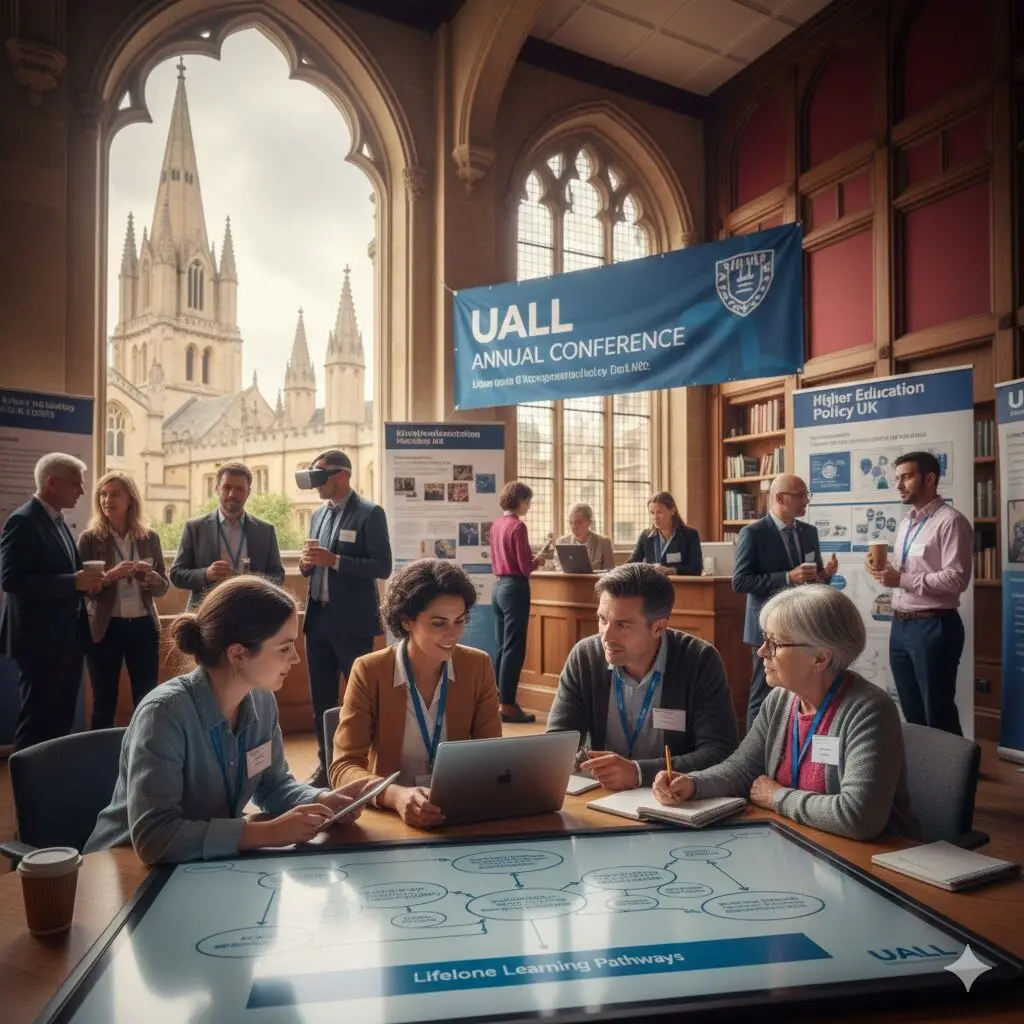
The Annual Conference: A Global Stage
The UALL Annual Conference is the highlight of the professional calendar. It brings together delegates from the UK, Europe (via EUCEN), and internationally to debate the future of the sector. Themes often include sustainability, the digital divide, and the role of universities in fostering global citizenship.
Bridging the Skills Gap: The Modern Workforce
As automation and AI redefine job roles, the "half-life" of skills is shrinking. UALL assists universities in becoming "skills hubs" for their regions. By facilitating partnerships between HE and industry, UALL ensures that the UK remains competitive in the global market.
Inclusivity and Social Mobility
Lifelong learning is the ultimate tool for social justice. UALL’s commitment to "Learning for All" ensures that age, background, or previous educational attainment are not barriers to success. Their work in Widening Participation has helped thousands of learners re-enter the academic fold.
The Future of Lifelong Learning
The future of Higher Education is flexible, modular, and inclusive. As the professional body at the forefront of this movement, UALL continues to provide the leadership and collaboration necessary to make lifelong learning a reality for everyone. Whether you are an academic researcher, a university administrator, or a policy-maker, UALL is your partner in shaping the future of education.
Frequently Asked Questions
1. What is UALL?
UALL (Universities Association for Lifelong Learning) is the UK's professional body representing higher education institutions committed to lifelong learning, continuing education, and community engagement.
2. Where is UALL headquartered?
The association is based at the University of Oxford, specifically at Rewley House, 1 Wellington Square, Oxford, OX1 2JA.
3. Who can become a member of UALL?
Membership is primarily for Higher Education Institutions (Universities and Colleges). However, they also offer opportunities for individual practitioners and international partners.
4. What is the Lifelong Learning Entitlement (LLE)?
The LLE is a UK government initiative that provides individuals with a loan entitlement equivalent to four years of post-18 education, to be used flexibly over their lifetime. UALL is a key advocate for its successful implementation.
5. Does UALL offer research funding?
Yes, UALL provides research grants to its members to support projects that investigate and promote the benefits of lifelong learning.
6. How does UALL support professional development?
Through its specialized networks, annual conferences, and workshops, UALL provides a platform for staff to share best practices and enhance their professional skills in HE management and pedagogy.
7. Is UALL an international organization?
While its core focus is the UK, UALL has a strong international presence and is a member of major networks like EUCEN (European University Continuing Education Network).
8. What are the key service areas of UALL?
UALL specializes in lifelong learning policy, adult education advocacy, public engagement, and work-based learning.
9. How can I contact the UALL helpdesk?
You can reach the UALL administration at +44 (0) 1865 270360 or via email at admin@uall.ac.uk.
10. What payment methods does UALL accept for membership?
UALL accepts Bank Transfers (BACS), Credit/Debit cards, and payment via Invoice.
Contact Information:
Website: https://www.uall.ac.uk
Phone: +44 (0) 1865 270360
LinkedIn: linkedin.com/company/uall
Newcastle upon Tyne
5 Views
Article Posting
Get Started Today to Publish an Article
Educational Services
Apr 04, 2026
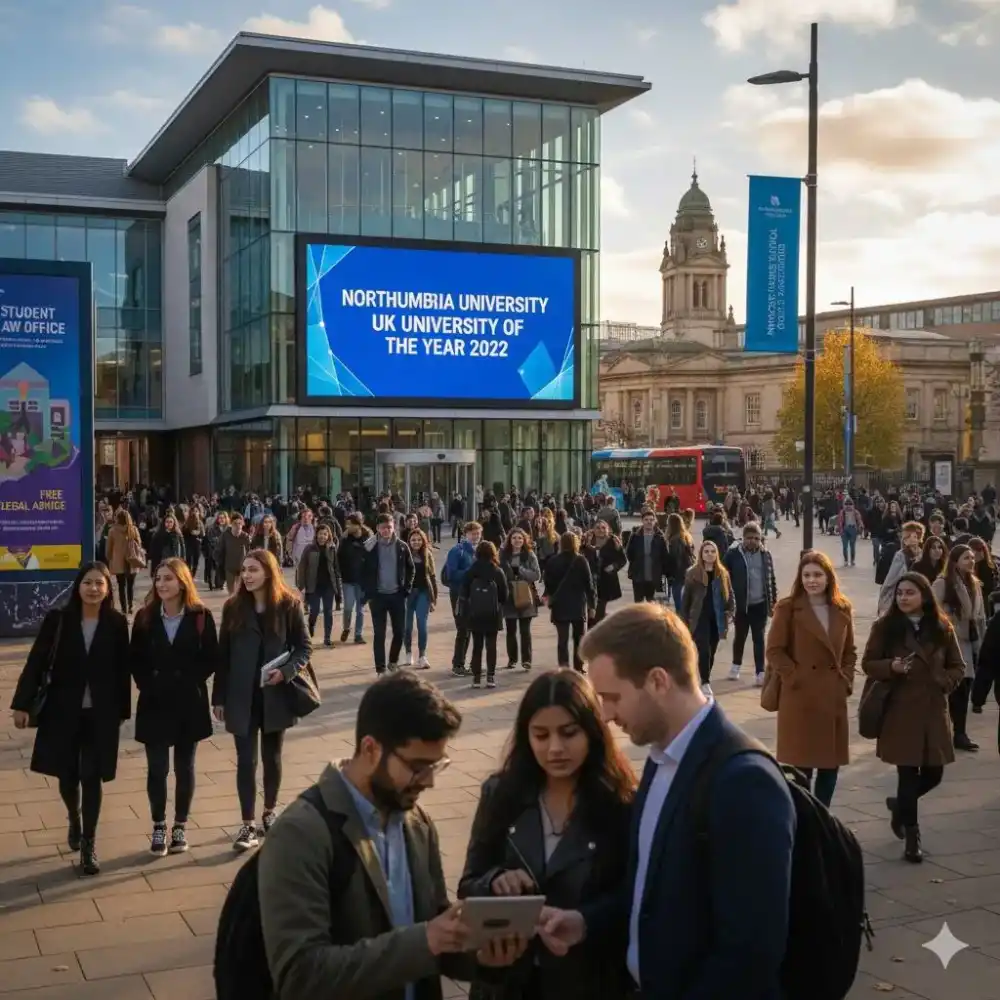
Northumbria University: Rankings, Courses & Campus Guide
Northumbria University (legally the University of Northumbria at Newcastle) is a powerhouse of higher education located in the vibrant heart of North East England. From its 19th-century origins as Rutherford College to being crowned the UK University of the Year 2022 by Times Higher Education, the institution has undergone a radical transformation. Today, it stands as a "research-intensive modern university," bridging the gap between traditional academic rigour and the practical, business-focused needs of the 21st-century global economy.
The Evolution of Excellence: From 1877 to Today
The history of Northumbria is a story of continuous evolution. Founded in 1877 by John Hunter Rutherford, the institution began with a mission to provide technical and vocational education to the people of Newcastle. Over the decades, it merged with various local colleges before gaining full university status in 1992.
Unlike many modern universities, Northumbria made a strategic decision in 2008 to pivot toward research excellence without losing its commitment to social mobility. This "long-term strategy" culminated in the Research Excellence Framework (REF) 2021 results, where Northumbria recorded the biggest rise in research power of any UK university for the second time.
Why Choose Northumbria University?
For prospective students and research partners, Northumbria offers a unique value proposition:
Global Reputation: Ranked among the top 40 in the UK (Complete University Guide 2026).
Employability: Strong focus on "work-ready" graduates with robust industry placements.
Research-Rich Curriculum: Students don't just learn from textbooks; they learn from the pioneers creating new knowledge.
Inclusivity: Approximately 40% of students come from traditionally low-participation backgrounds, proving that elite research and social mobility can coexist.
Academic Faculties and Specializations
Northumbria is organized into four distinct faculties, each housing world-leading schools:
1. Business and Law
The Newcastle Business School is the jewel in Northumbria’s crown. It holds the prestigious double AACSB accreditation for both Business and Accounting—a distinction held by only about 6% of business schools worldwide. It was the first in Europe to achieve this double honor.
Northumbria Law School: Home to the award-winning Student Law Office, where students provide over £300,000 worth of free legal advice to the community annually under professional supervision.
2. Arts, Design and Social Sciences
The Northumbria School of Design is globally recognized, producing alumni like Sir Jonathan Ive (former Chief Design Officer at Apple). Its partnership with the BALTIC Centre for Contemporary Art provides students with unparalleled access to the creative industry.
3. Engineering and Environment
With cutting-edge labs for Cyber Security and Architecture, this faculty leads in sustainable urban development and technological innovation. Northumbria is a leader in renewable energy research and recently announced a multi-million-pound investment in a Space Skills and Research Centre.
4. Health and Life Sciences
As a primary provider of Nursing and Midwifery education in the North East, this faculty works in close partnership with the NHS and the International Centre for Life.
Global Presence: Newcastle, London, and Amsterdam
While its heart is in Newcastle upon Tyne (consistently voted one of the best student cities in the UK), Northumbria’s reach is global.
Newcastle City Campus: A £200 million investment has created a state-of-the-art environment featuring the 24/7 University Library and the high-tech Computer and Information Sciences building.
London Campus: Located near Liverpool Street, this campus focuses on postgraduate business and technology programmes, offering students a gateway to the UK’s financial hub.
Amsterdam Campus: Providing a European base for international study, ensuring Northumbria remains a "global university" post-Brexit.
Student Life and Amenities
Beyond the classroom, Northumbria offers an award-winning student experience.
Northumbria Sport Central: A £30 million facility featuring a swimming pool, climbing wall, and professional-grade sports halls.
Students' Union (NSU): A hub for social life, activism, and over 100 societies.
Accommodation: A wide range of on-campus options catering to all budgets, ensuring a safe and inclusive living environment.
Business Engagement and Innovation
Northumbria is a "business-focused" university. It offers:
Degree Apprenticeships: Combining work and study for leading organizations.
KTP (Knowledge Transfer Partnerships): Helping businesses innovate by linking them with academic experts.
CPD Programmes: Professional development for the modern workforce.
Admissions and Practical Information
Application: Managed via UCAS for undergraduates and a direct online portal for postgraduates.
Payment Methods: Bank Transfer, Credit/Debit Cards, and Direct Debit installments are accepted.
Support: The Ask4Help service provides 24/7 support for IT, library, and student well-being queries.
Frequently Asked Questions
1. What is Northumbria University's ranking?
Northumbria is currently a UK Top 40 university (Complete University Guide 2026) and was the Times Higher Education University of the Year 2022.
2. What is the difference between Northumbria and Newcastle University?
Both are based in Newcastle upon Tyne. Northumbria is a research-intensive modern university known for its professional focus and business links, while Newcastle University is a traditional Russell Group institution.
3. Is the Newcastle Business School accredited?
Yes, it holds "double" AACSB accreditation for Business and Accounting, placing it in the top 6% of business schools globally.
4. What are the main campuses of Northumbria University?
The main campuses are City Campus and Coach Lane in Newcastle, with additional campuses in London and Amsterdam.
5. How can I contact the Northumbria Helpdesk?
You can reach Campus Services at 0191 227 4070 or General Enquiries at 0191 232 6002.
6. Does Northumbria offer free legal advice?
Yes, through the Student Law Office, which provides free legal services to the public while giving law students real-world experience.
7. Is the library open 24/7?
Yes, the University Library offers 24/7 access to resources and IT support throughout the year.
8. What was the "UK University of the Year 2022" award for?
It recognized Northumbria's successful transformation into a research-intensive institution that maintains a strong commitment to social mobility and regional economic growth.
9. Can I study at Northumbria as an international student?
Absolutely. Northumbria hosts over 32,000 students from more than 135 countries and offers dedicated international support services.
10. Where is the main university building located?
The headquarters is located in the Ellison Building, Ellison Place, Newcastle upon Tyne, NE1 8ST, United Kingdom, near the Newcastle Civic Centre.
Newcastle upon Tyne
6 Views
Educational Services
Apr 04, 2026
Newcastle University: Excellence in Global Research and Education
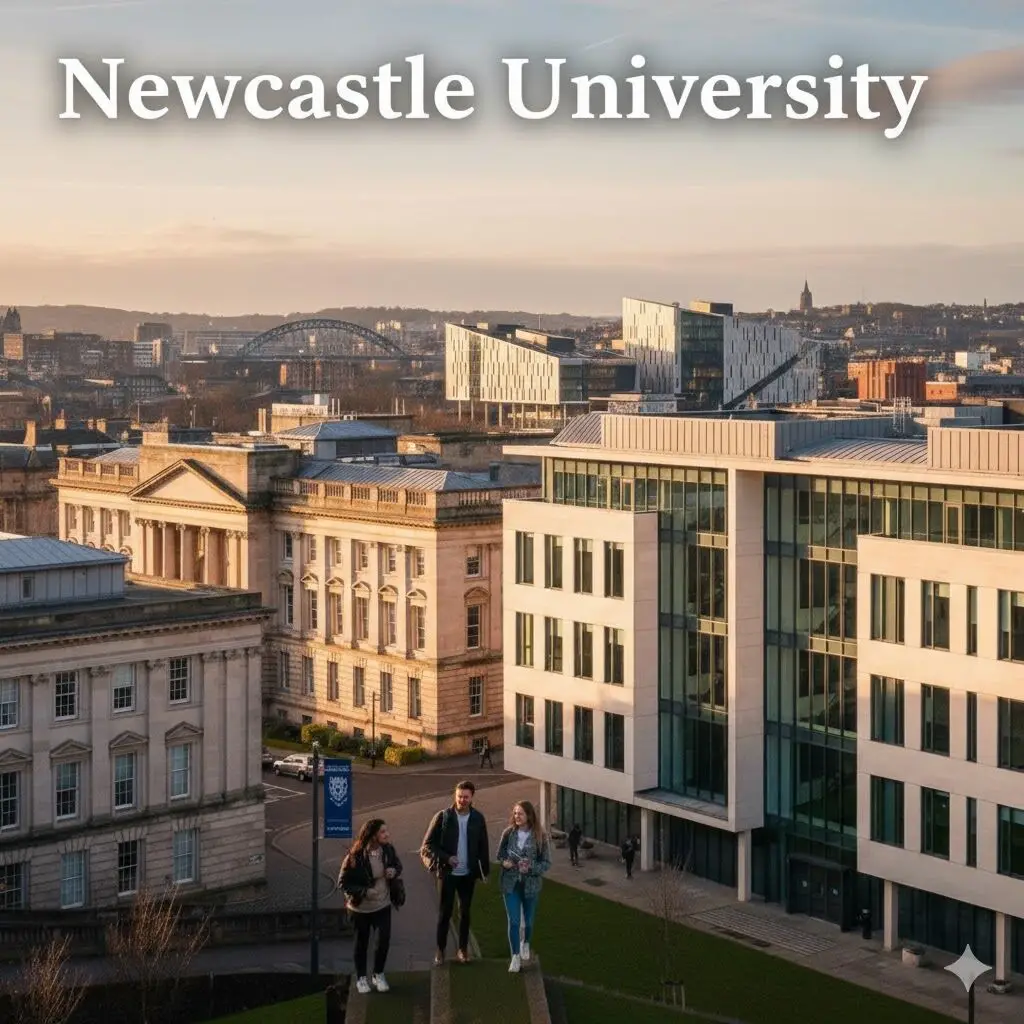
Newcastle University stands as a testament to nearly two centuries of academic evolution, transitioning from a localized school of medicine in 1834 to a world-leading, research-intensive institution in the 21st century. As a founding member of the prestigious Russell Group, the university has solidified its reputation as a powerhouse of innovation, consistently ranking within the top 150 universities globally. Its mission, "From Newcastle. For the World," reflects a deep-rooted commitment to tackling the most profound challenges facing modern society through interdisciplinary collaboration and academic rigour.
A Legacy of Excellence: The History of Newcastle University
The story of Newcastle University began in 1834 with the establishment of the School of Medicine and Surgery. Over the decades, it evolved through various mergers and affiliations—most notably with the University of Durham—before gaining independent university status in 1963. This historical journey has imbued the institution with a unique "red brick" character, blending Victorian architectural heritage with state-of-the-art modern facilities.
Today, the university serves a diverse community of over 28,000 students and 6,000 staff members. Its historical milestones are not merely dates but markers of societal impact, such as its pioneering work in identifying the causes of Alzheimer's disease and its leadership in the UK’s first Fine Art degree.
Academic Structure: The Three Core Faculties
Newcastle University’s academic prowess is organized into three distinct faculties, each housing world-renowned schools and research institutes:
1. Faculty of Humanities and Social Sciences (HaSS)
This faculty is the creative and intellectual heart of the university. It covers a vast spectrum of disciplines including:
Newcastle University Business School: A "Triple Crown" accredited institution (AACSB, AMBA, and EQUIS), placing it among the elite top 1% of business schools worldwide.
Architecture and Planning: Consistently ranked among the best in the UK for urban design and sustainable development.
Law, Arts, and Cultures: Providing a platform for critical thinking and cultural preservation.
2. Faculty of Medical Sciences (FMS)
As the founding discipline of the university, Medical Sciences continues to lead the way in global healthcare. Key specializations include:
Aging and Health: Home to the National Innovation Centre for Ageing (NICA).
Biomedical Research: Tackling chronic diseases, genetics, and pharmaceutical innovation.
Dentistry and Psychology: Providing top-tier clinical training and psychological research.
3. Faculty of Science, Agriculture, and Engineering (SAgE)
This faculty drives the technological and environmental solutions required for a sustainable future. Focus areas include:
Data Science: Hosting the National Innovation Centre for Data (NICD).
Sustainable Energy: Researching hydrogen power, carbon capture, and renewable grids.
Marine Science and Engineering: Utilizing the university’s unique coastal proximity for world-leading subsea and naval research.
Global Innovation Hubs: NICA and NICD
Newcastle University is not just a place for learning; it is an engine for economic and industrial growth. The university hosts two national centres of excellence that bridge the gap between academic theory and real-world application.
National Innovation Centre for Ageing (NICA): This centre works with businesses and the public to develop products and services that help people live longer, healthier lives. It is at the forefront of the "longevity economy."
National Innovation Centre for Data (NICD): By helping organizations gain insight from their data, NICD ensures that the UK remains a leader in the global digital economy. It provides the infrastructure for startups and multinationals to innovate through data science.
Research Impact: Tackling Global Challenges
The university’s research strategy is defined by "Excellence with Impact." In the latest Research Excellence Framework (REF), Newcastle was ranked 15th in the UK for research power. Its work extends into:
Sustainable Cities: Creating urban environments that are resilient to climate change.
One Planet: Focused on environmental justice and biodiversity.
Health and Wellbeing: From rare disease diagnostics to public health policy.
The Student Experience: Life in a Top 5 Student City
Newcastle is frequently voted one of the best and most affordable student cities in the UK. The university campus is situated in the heart of the city, offering a "city-centre campus" feel that is both safe and vibrant.
Campus Amenities
Libraries: The Philip Robinson Library offers 24/7 access during term time, complemented by the Marjorie Robinson Library Rooms.
Student Union (NUSU): An award-winning hub for over 160 societies and 60 sports clubs.
Sports Centre: Offering state-of-the-art fitness suites, indoor courts, and high-performance training environments.
Health and Wellbeing: A dedicated University Health Centre ensuring students are supported throughout their academic journey.
Professional Development and Careers
Newcastle University is highly regarded for graduate employability. The Careers Service provides lifelong support to alumni, facilitating internships, work placements, and entrepreneurship through its "Start Up" programme. Knowledge Transfer Partnerships (KTPs) further connect graduates with industry leaders to solve complex business problems.
Sustainability and Global Responsibility
The university is a world leader in sustainability, currently ranked 56th globally for its social and environmental impact (QS Sustainability Rankings). From divesting from fossil fuels to conducting cutting-edge research into sustainable agriculture at its own university farms, Newcastle is dedicated to the United Nations Sustainable Development Goals.
Why Choose Newcastle University?
Choosing Newcastle University means joining a global community dedicated to excellence. Whether you are an undergraduate student beginning your journey, a researcher seeking to solve the world's biggest problems, or a business looking for innovation, Newcastle University offers the expertise, facilities, and inclusive environment required for success.
Frequently Asked Questions
1. Is Newcastle University a member of the Russell Group?
Yes, Newcastle University is a founding member of the Russell Group, which represents 24 of the UK's leading research-intensive universities.
2. What is Newcastle University’s world ranking?
As of 2025, Newcastle University is ranked 129th in the world by the QS World University Rankings and is consistently within the top 150 globally.
3. What are the "Triple Crown" accreditations for the Business School?
The Newcastle University Business School holds accreditations from AACSB, AMBA, and EQUIS, a distinction held by only a small percentage of business schools worldwide.
4. Does the university offer 24/7 library access?
Yes, the Philip Robinson Library provides 24/7 access to students during term time, offering a variety of silent and collaborative study spaces.
5. What are NICA and NICD?
NICA is the National Innovation Centre for Ageing, and NICD is the National Innovation Centre for Data. Both are based at the Newcastle Helix site and focus on bridging academic research with industrial innovation.
6. What is the campus location like?
The university has a beautiful city-centre campus in Newcastle upon Tyne, located near landmarks like St James' Park and the Great North Museum: Hancock.
7. How many students attend Newcastle University?
The university hosts a diverse community of over 28,000 students from more than 130 countries.
8. What are the main areas of research specialization?
Key specializations include Aging and Health, Data Science, Sustainable Energy, Civil Engineering, and Marine Science.
9. What support is available for international students?
Newcastle offers dedicated international student support, including visa advice, English language programs through INTO, and global scholarships.
10. How can I contact the university helpdesk?
You can reach the main helpdesk at 0191 208 6000 or email general enquiries to enquiries@ncl.ac.uk.
Business Contact Information
Address: Newcastle University, Newcastle upon Tyne, Tyne and Wear, NE1 7RU, UK
Website: www.ncl.ac.uk
Phone: 0191 208 6000
Email: admissions@ncl.ac.uk
Newcastle upon Tyne
12 Views
Educational Services
Apr 04, 2026
Professional Indexing Excellence: The Society of Indexers
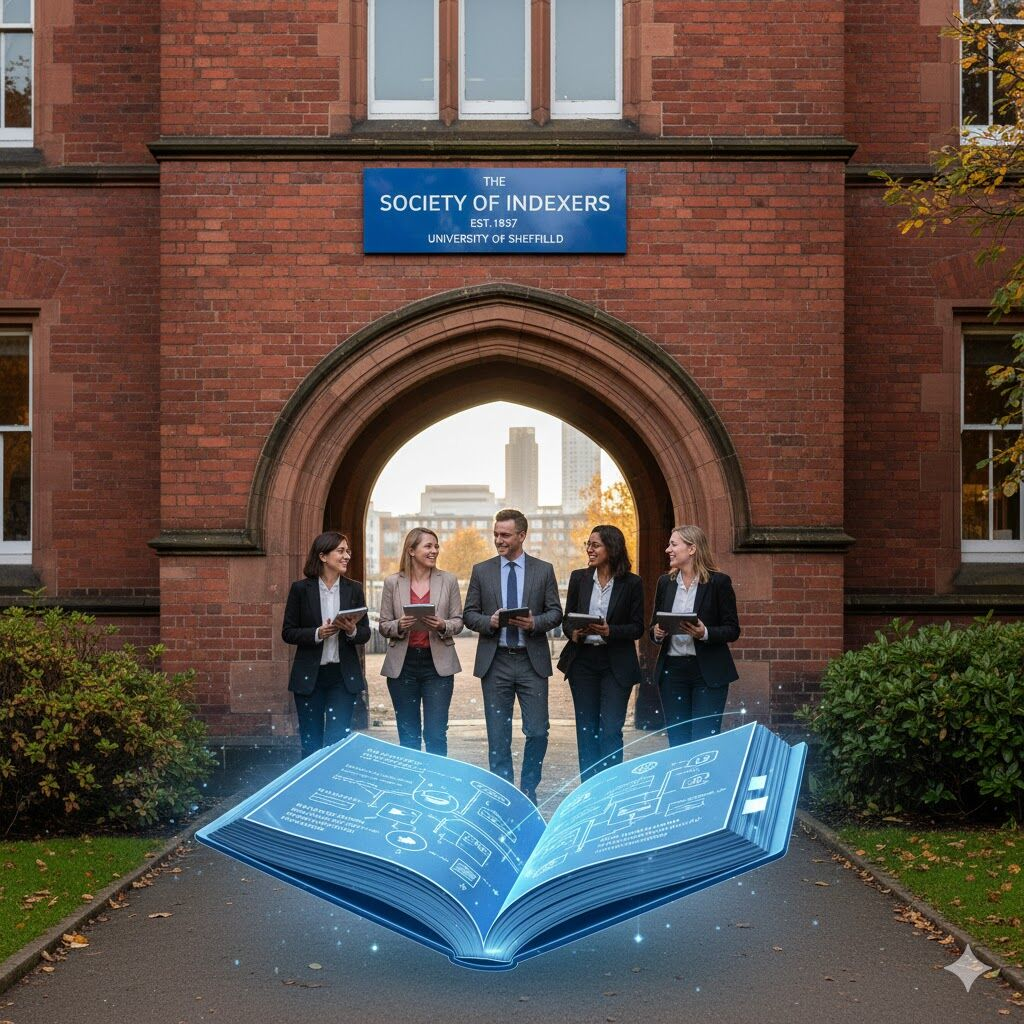
In an era dominated by automated search algorithms and digital data overloads, the human element in information organization has never been more critical. The Society of Indexers (SI), established in 1957, stands as the sole professional body in the United Kingdom and Ireland dedicated to the promotion of indexing excellence. Based in Sheffield, South Yorkshire, this prestigious organization acts as the vital bridge between highly skilled information professionals and the global publishing industry.
A good index is not merely a list of words; it is a sophisticated map of a book’s intellectual content. The Society of Indexers ensures that this map is drawn with precision, logic, and a deep understanding of user needs. Whether it is a complex academic tome, a technical manual, or a digital database, SI members provide the analytical expertise required to make information accessible.
A Legacy of Excellence: Founded by G. Norman Knight
The roots of the Society trace back to March 30, 1957, when G. Norman Knight formally constituted the organization at the National Book League. Knight’s vision was to transform indexing from a solitary, often overlooked task into a recognized profession with rigorous standards. Today, the Society continues this legacy, supporting a community of practice that spans from freelance specialists to major commercial publishing houses.
Core Services and Professional Pillars
1. Professional Indexing Training & Accreditation
The SI training course is internationally recognized for its rigour. It is a comprehensive distance-learning program that covers everything from basic indexing terminology to complex taxonomy development and embedded indexing.
Accredited Status: Upon successful completion, members earn the title of Accredited Indexer (AI).
Fellowship: Further excellence and experience lead to the prestigious "Fellow" status, denoting the highest level of professional attainment in the field.
2. The "Indexers Available" Directory
For publishers, authors, and editors, finding the right specialist is paramount. The Indexers Available directory is a searchable database of qualified professionals. It allows users to filter by subject specialism—ranging from archaeology and medicine to law and genealogy—ensuring that the indexer possesses the necessary subject-matter expertise.
3. The Indexer: The International Journal of Indexing
Published since 1958, The Indexer is a peer-reviewed journal that explores the history, theory, and modern application of indexing. It serves as a global forum for research into database metadata, search systems, and the evolving role of human curation in AI-driven environments.
Specialized Areas of Expertise
The Society of Indexers supports a diverse range of niche services that go beyond standard "back-of-the-book" indexing:
Journal Indexing: Creating cumulative and annual indexes for academic periodicals.
Taxonomy & Metadata: Developing controlled vocabularies for corporate and digital archives.
Genealogical Indexing: Organizing complex historical and family records.
Database Development: Structuring information for high-speed retrieval in digital libraries.
Why Professional Indexing Matters in the Digital Age
While AI and automated "Find" functions can locate specific strings of text, they lack the ability to understand context, nuance, and the synthesis of ideas. A professional indexer, trained by the Society, identifies the "aboutness" of a text. They create cross-references (See and See Also) that guide a reader through a logical journey of discovery, a task that remains uniquely human.
Membership and Community Support
The Society provides an extensive support network for its members, including:
Professional Mentorship: Pairing new trainees with seasoned experts.
Specialized Subject Groups: Forums for indexers working in specific fields like law or science.
Annual Conferences: A gathering of the global indexing community to discuss industry trends and networking.
Frequently Asked Questions
1. What is the main role of The Society of Indexers?
The Society of Indexers (SI) is the professional body dedicated to safeguarding indexing standards, providing training, and connecting professional indexers with the publishing industry in the UK and Ireland.
2. How do I find a qualified indexer for my book?
You can use the "Indexers Available" directory on the SI website. This tool allows you to search for accredited professionals based on their subject expertise and experience.
3. Does the Society offer training for beginners?
Yes, the SI provides a comprehensive, internationally recognized training course. It is designed for those looking to start a career in indexing or for publishers wanting to train their staff.
4. What are the benefits of professional accreditation?
Accreditation proves that an indexer has met high industry standards. It allows members to be listed in the professional directory, use the "Accredited Indexer" logo, and command professional rates.
5. Where is the Society of Indexers headquartered?
The headquarter is located at the University of Sheffield, 40 Victoria Street, Sheffield, South Yorkshire, S3 7QB, UK.
6. Does the Society only focus on book indexing?
No. While book indexing is a core focus, the Society also specializes in journal indexing, database metadata, taxonomy development, and digital indexing.
7. Is there a professional journal I can read?
Yes, The Indexer is the Society’s international, peer-reviewed journal, published quarterly. It covers the latest research and practical developments in the field.
8. Can I join if I live outside the UK?
While SI is based in the UK and Ireland, it has an international reach and welcomes members and trainees from across the globe, though its primary focus remains the UK publishing standards.
9. What payment methods are accepted for training and membership?
The Society accepts Bank Transfers (BACS), Credit/Debit cards via their online portal, PayPal, and corporate invoicing for organizations.
10. How can I contact the Society’s helpdesk?
You can reach the office at 0114 222 1555 or email them at office@indexers.org.uk.
Contact Information
Phone: 0114 222 1555
Email: office@indexers.org.uk / training@indexers.org.uk
Website: www.indexers.org.uk
Address: The University of Sheffield, 40 Victoria Street, Sheffield, S3 7QB, UK.
Sheffield
8 Views
Educational Services
Apr 04, 2026
UHS: Elevating UK University Hospitality Excellence
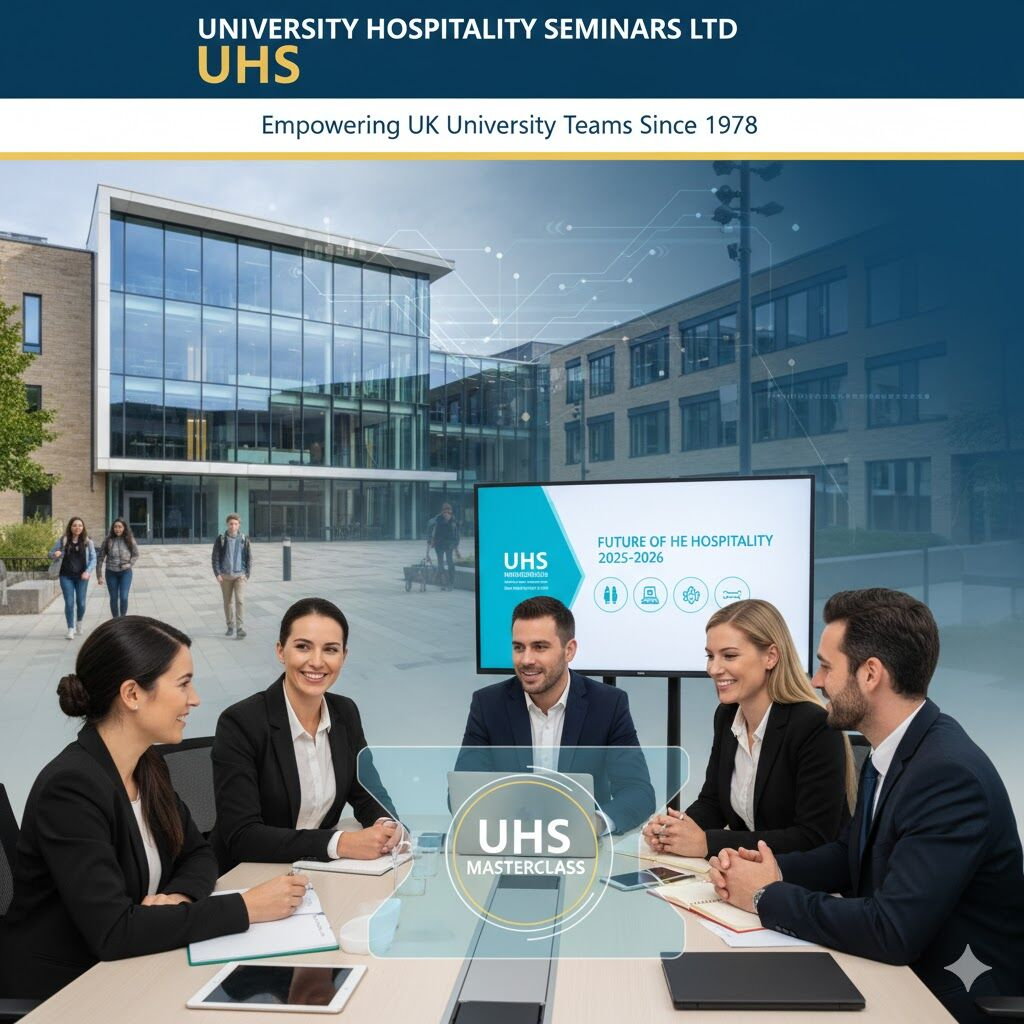
In the rapidly evolving landscape of United Kingdom Higher Education (HE), the "campus experience" has shifted from a secondary consideration to a primary driver of student recruitment and institutional prestige. At the heart of this transformation is University Hospitality Seminars Ltd (UHS), the UK’s premier professional development body dedicated exclusively to the university hospitality sector.
Established in 1978, UHS has spent nearly five decades acting as the definitive bridge between commercial industry best practices and the unique operational requirements of the academic environment. From student accommodation and sustainable catering to large-scale conferencing and event safety, UHS provides the specialized tools necessary for university teams to lead with innovation.
The UHS Mission: For the Sector, By the Sector
University Hospitality Seminars operates on a unique collaborative model. Unlike generic training providers, UHS is built on a "for the sector, by the sector" philosophy. This ensures that every seminar, masterclass, and workshop is rooted in the actual challenges faced by university commercial and hospitality teams.
As universities face increasing pressure to diversify income streams, the role of hospitality services has become critical. UHS empowers staff—spanning catering managers to residence life coordinators—with the strategic insights needed to drive significant commercial revenue while maintaining the core mission of supporting the student experience.
Comprehensive Training for Modern University Environments
The UHS annual programme is meticulously curated to address the multi-faceted nature of university operations. Our core services include:
1. Professional Hospitality Training Seminars
These sessions cover the fundamentals and advanced theories of service excellence within an academic context. We focus on high-impact areas such as customer journey mapping for students and managing diverse international guest expectations.
2. Residential Management Masterclasses
Student accommodation is more than just "beds." It is a complex ecosystem of welfare, facilities management, and community building. UHS masterclasses delve into student accommodation trends, residence life strategy, and the operational efficiency required to manage modern PBSA (Purpose-Built Student Accommodation).
3. Catering and Food Service Strategy Workshops
With the rise of "Gen Z" preferences and the urgent need for sustainable catering, university food services must be agile. UHS workshops help teams navigate plant-forward menus, waste reduction technologies, and the implementation of digital ordering systems that resonate with the modern student.
4. Conferencing and Events Commercial Training
Universities hold some of the UK’s most unique heritage and modern event spaces. UHS provides the marketing and operational training necessary to transform these assets into profitable academic venues for external corporate and private hire.
Navigating Industry Trends: 2025 and Beyond
As we move through 2025, the UK hospitality sector faces new regulatory and technological shifts. UHS remains at the forefront, equipping members to handle:
Martyn’s Law Compliance: Training tailored to the Terrorism (Protection of Premises) Bill, ensuring university venues are prepared and safe.
AI and Digital Transformation: Leveraging AI for revenue management and personalized guest experiences within campus hotels and cafes.
Net Zero Hospitality: Strategic planning for carbon-neutral catering and energy-efficient residential operations.
Why UHS is the Gold Standard
Registered in England and Wales (No. 01370080) and endorsed by the Institute of Hospitality (IoH), UHS certifications carry significant weight. Our partnerships with key associations like CUBO (College and University Business Officers) and TUCO (The University Caterers Organisation) ensure our curriculum remains aligned with national HE benchmarks.
Members of the UHS community gain access to:
Online Member Resource Hub: A repository of benchmarking data and best-practice templates.
Regional Networking Forums: Opportunities to solve common challenges with peers from across the UK.
Annual Sector Strategy Summits: High-level briefings on the economic and social factors shaping university hospitality.
Leading with Operational Efficiency
University Hospitality Seminars Ltd is more than a training provider; it is a catalyst for professional excellence. By investing in UHS programmes, institutions ensure their staff are not just employees, but innovative leaders capable of enhancing the student journey and securing the university’s financial future.
Frequently Asked Questions
1. What is University Hospitality Seminars (UHS)?
UHS is a professional development body founded in 1978 that provides specialist training, seminars, and masterclasses specifically for the higher education hospitality and commercial sectors in the UK.
2. Who can attend UHS training courses?
Our courses are designed for all levels of staff within university hospitality, including those in accommodation, catering, conferencing, events, and commercial management.
3. Are UHS courses accredited?
Yes, UHS is an Institute of Hospitality (IoH) Endorsed Training Provider. Participants receive recognized certifications upon completion of our accredited programmes.
4. Does UHS offer online learning options?
Yes, through the UHS Digital Academy, we offer virtual learning webinars and an online member resource hub to ensure accessibility for university teams nationwide.
5. How does UHS support university revenue generation?
We provide specific training on conferencing marketing, revenue management, and commercial strategy to help universities maximize the profit potential of their assets during and outside of term time.
6. What are the "UHS Residential School" and "Masterclasses"?
These are intensive, often multi-day programs focusing on deep-dives into residential life, student accommodation management, and senior hospitality leadership skills.
7. Is UHS affiliated with CUBO or TUCO?
Yes, UHS works closely with CUBO (College and University Business Officers) and TUCO (The University Caterers Organisation) to ensure our training meets the evolving needs of the sector.
8. Where is UHS located?
Our headquarters are in Glossop, Derbyshire (SK13 6LS), but we provide services and regional forums to universities across the entire United Kingdom.
9. How can I pay for a UHS seminar?
We accept several payment methods for institutional convenience, including Bank Transfer (BACS), Corporate Invoicing, and most major Credit/Debit Cards.
10. How can my university become a member?
You can reach out via our website at universityhospitality.co.uk or contact our helpdesk at 01457 854652 to discuss membership and upcoming seminar schedules.
Business Information Summary
Business Name: University Hospitality Seminars Ltd (UHS)
Address: Arnside, Simmondley Village, Glossop, Derbyshire, SK13 6LS, UK
Phone: 01457 854652
Email: admin@universityhospitality.co.uk
Website: https://www.universityhospitality.co.uk
Sheffield
9 Views
Article Posting
Sign In to Submit Your Content

Educational Services
Apr 04, 2026
AGCAS : Future of Graduate Success & Higher Education Careers
Empowering Professionals, Transforming Student Outcomes
In an increasingly volatile global economy, the transition from higher education to the professional world has never been more complex. At the heart of this transition in the United Kingdom and Ireland stands AGCAS (the Association of Graduate Careers Advisory Services). As the expert professional body for higher education student careers and employability professionals, AGCAS serves as the definitive bridge between academic achievement and career excellence.
With a heritage spanning over 50 years, AGCAS is not merely a membership organization; it is a strategic powerhouse dedicated to ensuring that every student and graduate can realize their full potential through world-class guidance and evidence-based practice.
A Legacy of Excellence: The AGCAS Journey
Founded in 1967 and later incorporated as a company in 2002, AGCAS was established to provide a unified voice for a rapidly expanding sector. Based in Sheffield, South Yorkshire, the association has grown from a small collective of advisors into a massive network representing over 4,000 members across hundreds of institutions.
Under the leadership of Executive Director Elaine Boyes, AGCAS operates as both a registered charity (No. 1105151) and a professional consultancy, maintaining the highest standards of ethical practice and professional integrity.
The AGCAS Value Proposition: Why It Matters
The core strength of AGCAS lies in its dual role: supporting the individual practitioner while influencing the national policy landscape. Its value proposition is built on three fundamental pillars:
Definitive Authority: Through reports like "What Do Graduates Do?", AGCAS provides the most reliable data on graduate destinations and labor market trends.
Professional Development: The AGCAS Professional Pathway offers a tiered approach to training, ensuring that careers staff are equipped with the latest coaching techniques and sector knowledge.
Collaborative Innovation: By hosting national conferences and Specialist Interest Groups (SIGs), the association fosters an environment where best practices are shared and new solutions to employability challenges are born.
Key Services and Products
1. The AGCAS Professional Pathway
This is the gold standard for training within the sector. It provides a structured route for career development, from entry-level advisors to senior service managers. The pathway is often delivered in partnership with leading academic institutions, such as the University of Warwick, offering accredited postgraduate qualifications.
2. Graduate Labour Market Research
AGCAS is a primary collaborator in the production of the "What Do Graduates Do?" report. This annual publication analyzes HESA (Higher Education Statistics Agency) data to provide a granular look at where graduates from different disciplines end up 15 months after finishing their studies.
3. Advocacy and Policy Influence
AGCAS represents the sector in discussions with government departments, the Office for Students (OfS), and other key stakeholders. By advocating for the value of professional career guidance, they ensure that employability remains a top priority in higher education funding and regulation.
4. Specialist Interest Groups (SIGs)
Members gain access to focused communities dealing with specific challenges, such as international student employability, neurodiversity in the workplace, or the integration of AI in career services.
Strategic Partnerships: A Unified Sector
AGCAS does not work in isolation. Its impact is amplified through strategic associations with:
ISE (Institute of Student Employers): Connecting educators with the UK's top graduate recruiters.
Jisc/Prospects: Partnering on data and digital tools to enhance the student experience.
HECSU (Higher Education Careers Services Unit): Focused on deep-dive research into the graduate labor market.
The Impact of Evidence-Based Practice
AGCAS emphasizes "evidence-based practice." This means that the advice given to a student in a 1-to-1 coaching session in Sheffield or Dublin is backed by the latest Labor Market Information (LMI) and psychological theories of career choice. This commitment to quality is further evidenced by their status as a Matrix Standard Partner, a quality framework for organizations to assess and measure their information, advice, and guidance services.
Membership and Community Benefits
Being an AGCAS member provides a "blue pages" level of access to:
Member-only Job Board: Specifically for roles within the HE careers sector.
Online Resource Library: A vast repository of webinars, toolkits, and briefing papers.
AGCAS Awards for Excellence: An annual celebration that recognizes innovative projects that have a demonstrable impact on student success.
Business Information & Contact
Headquarters: The University of Sheffield, 40 Victoria Street, Sheffield, S3 7QB.
Helpdesk: 0114 222 1555
Email: enquiries@agcas.org.uk
Website: www.agcas.org.uk
Frequently Asked Questions
1. What does AGCAS stand for?
AGCAS stands for the Association of Graduate Careers Advisory Services.
2. Who can become a member of AGCAS?
Membership is primarily designed for professionals working in higher education careers and employability services. This includes career advisers, employability managers, and employer engagement staff.
3. What is the "What Do Graduates Do?" report?
It is a definitive annual publication produced by Prospects and AGCAS that provides detailed analysis of graduate destinations, helping students and advisers understand labor market trends.
4. Where is the AGCAS headquarters located?
The main offices are located at the University of Sheffield in South Yorkshire, United Kingdom.
5. Does AGCAS offer certified qualifications?
Yes, through the AGCAS Professional Pathway, members can work toward professionally recognized qualifications, often in partnership with UK universities.
6. How can I contact the AGCAS helpdesk?
You can reach them at 0114 222 1555 or via email at enquiries@agcas.org.uk.
7. Is AGCAS a government body?
No, AGCAS is an independent professional membership organization and a registered charity, though it works closely with government departments to influence policy.
8. What are the AGCAS Special Interest Groups (SIGs)?
SIGs are member-led communities that focus on specific areas of expertise, such as disability, international students, or enterprise and entrepreneurship.
9. When was AGCAS founded?
The association was formed in 1967 and was formally incorporated as a company in July 2002.
10. How does AGCAS support international students?
AGCAS has a dedicated International Task Force that researches the specific barriers faced by international graduates and advocates for better post-study work visa policies.
For over half a century, AGCAS has been the heartbeat of the UK’s graduate employability landscape. By professionalizing the role of the careers adviser and providing the data necessary to navigate a shifting job market, the association ensures that higher education continues to deliver on its promise of personal and professional transformation. Whether you are a student seeking guidance or a professional looking to hone your craft, AGCAS remains the gold standard in career development services.
Sheffield
7 Views
Educational Services
Apr 04, 2026
The Children’s Media Conference: Leading UK Kids' Content
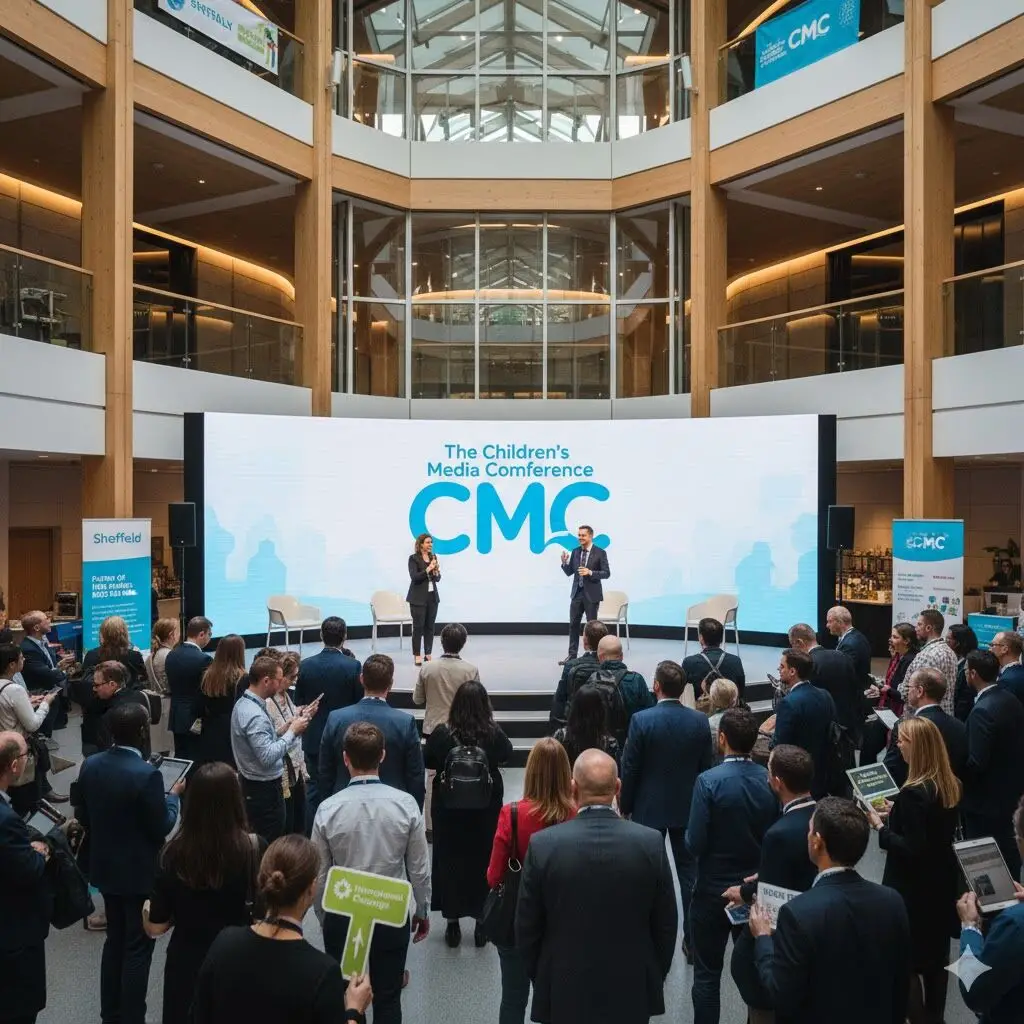
In the rapidly evolving landscape of global entertainment, providing high-quality, ethical, and engaging content for young audiences is more than a business—it is a responsibility. At the heart of this mission in the United Kingdom stands The Children’s Media Conference (CMC). Based in the vibrant city of Sheffield, South Yorkshire, CMC has established itself as the premier large-scale gathering for the "kids' media" ecosystem, bridging the gap between creative sparks and sustainable commercial success.
The Genesis of a Media Powerhouse
Founded in 2004, The Children’s Media Conference was born from a need for a unified voice and a collaborative space for professionals dedicated to young audiences. While officially incorporated as CMC Ltd on March 10, 2010, its roots stretch back to the "Showcomotion" days, evolving into a standalone powerhouse under the leadership of Greg Childs (Editorial Director) and Kathy Loizou (Director).
Today, CMC serves as the vital connective tissue for sectors ranging from traditional television and film to cutting-edge interactive media, games, publishing, and the arts.
Core Mission and Value Proposition
The CMC mission is clear: to foster professional understanding and creative collaboration across all media platforms. In an industry often fragmented by platform-specific silos, CMC offers a cost-effective, high-impact environment where the "big players"—such as the BBC, Netflix, and Disney—rub shoulders with independent creators, tech startups, and academic researchers.
Why Sheffield?
Sheffield, the home of CMC, provides a backdrop of innovation and accessibility. Located at the Sheffield Technology Parks, near landmarks like the Millennium Gallery and Sheffield Hallam University, the conference transforms the city into a global media hub every July. The physical proximity of delegates fosters an organic networking culture that digital-only events often struggle to replicate.
Key Services and Products
1. The Annual CMC Conference
The flagship three-day event in Sheffield attracts over 1,000 delegates annually. It is a masterclass in industry trends, featuring:
Keynote Sessions: Insights from industry pioneers and "Changemakers" (young activists).
Specialist Workshops: Deep dives into IP (Intellectual Property) protection, finance, and media regulation.
Video-on-Demand: Ensuring that the wealth of knowledge shared during sessions is accessible to members year-round.
2. The International Exchange (B2B Networking)
For those looking to take their projects to the global stage, the CMC International Exchange is indispensable. This specialized "speed meeting" and pitch market connects UK producers and writers with international broadcasters, co-producers, and investors. It is the engine room for international trade within the children's sector.
3. Specialized Media Seminars
Beyond the annual event, CMC hosts workshops focusing on the "nitty-gritty" of the business—from navigating the latest Ofcom regulations to understanding the algorithmic shifts on platforms like YouTube and TikTok.
Navigating the "Kids' Audience"
The hallmark of CMC is its focus on research. By sharing year-round insights into how children consume media, the conference ensures that creators aren't just making content, but are making relevant content. This includes navigating sensitive topics such as:
Digital Literacy: Helping kids navigate the online world safely.
Representation: Ensuring diverse voices are heard and seen in animation and live-action.
Media Policy: Working closely with the Children's Media Foundation (CMF) to advocate for better funding and regulatory frameworks.
Strategic Partnerships and Certifications
As a registered company (No. 07186979) and a non-profit organization, CMC operates with a level of integrity that has earned it partnerships with PACT (Producers Alliance for Cinema and Television) and Animation UK. These associations ensure that CMC is not just a party, but a pivotal player in the UK’s industrial strategy for the creative arts.
Amenities and Accessibility
CMC is designed with the professional in mind. Amenities include:
Online Delegate Directory: Facilitating year-round connections.
On-site Delegate Lounge: A dedicated space for impromptu meetings and "coffee-cup" deals.
Hybrid Accessibility: While the heart is in Sheffield, CMC Online and The CMC Podcast ensure global reach.
Payment and Business Information
For corporate partners and independent freelancers alike, CMC offers flexible payment methods including BACS (Bank Transfer), Credit/Debit Cards, and Corporate Invoicing. Operating Monday to Friday, 9 AM – 5:30 PM, the core team of 11–50 staff and contractors works tirelessly to maintain the UK's position as a world leader in children's content.
Frequently Asked Questions
1. Who should attend The Children’s Media Conference?
Anyone involved in the kids' content industry—including writers, producers, broadcasters, distributors, game developers, publishers, and toy manufacturers.
2. Where is the CMC held?
The main conference is held annually in Sheffield, UK, primarily around the Showroom Cinema and Sheffield Technology Parks.
3. What is the "International Exchange"?
It is a dedicated B2B event within CMC where creators can pitch their projects directly to international buyers and investors.
4. Is CMC only for UK-based professionals?
No. While it is the UK’s premier event, it attracts global delegates and offers services specifically for international business development.
5. How can I access past conference sessions?
CMC offers a Video-on-Demand service for registered delegates and members, allowing you to watch keynote speeches and panels.
6. Does CMC provide research on children's media habits?
Yes, CMC shares year-round research and hosts sessions specifically focused on the "kids' audience" and their evolving media consumption patterns.
7. Who are the founders of CMC?
The conference was co-founded by Greg Childs (Editorial Director) and Kathy Loizou (Director).
8. Can I sponsor the event?
Yes, CMC offers various sponsorship and lead generation services for brands looking to reach media decision-makers.
9. Is CMC a non-profit?
Yes, CMC is a not-for-profit company limited by guarantee, ensuring all proceeds are reinvested into supporting the industry.
10. How do I contact the CMC helpdesk?
You can reach the team at 0114 221 0440 or via email at office@thechildrensmediaconference.com.
Contact Information
Address: Sheffield Technology Parks, Cooper Buildings, Arundel Street, Sheffield, S1 2NS, UK.
Website: www.thechildrensmediaconference.com
Social Media: Follow us on LinkedIn (CMC Community) and X (@childmediaconf).
Sheffield
4 Views
Educational Services
Apr 04, 2026
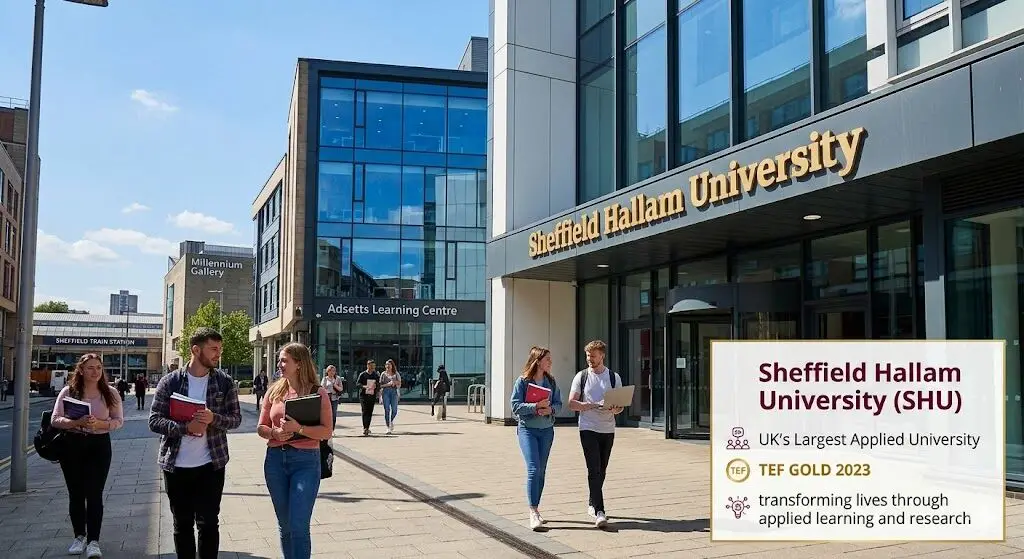
Sheffield Hallam University: Global Leader in Applied Learning
Sheffield Hallam University (SHU) is not just an institution of higher education; it is a catalyst for change. Founded in 1843 as the Sheffield School of Design and gaining university status in 1992, SHU has evolved into one of the UK’s largest and most progressive universities. With a mission to "transform lives," SHU bridges the gap between academic theory and real-world application.
Located in the heart of Sheffield, South Yorkshire, the university serves as a vital anchor for the region while maintaining a massive global footprint. Whether you are a prospective student, a business looking for innovation, or a professional seeking growth, SHU offers a robust ecosystem of excellence.
Why Choose Sheffield Hallam University?
1. Gold-Rated Teaching Excellence
In the 2023 Teaching Excellence Framework (TEF), Sheffield Hallam was awarded Gold, the highest possible rating. This reflects the university’s commitment to delivering high-quality teaching, learning, and outcomes for its diverse student body of over 31,000.
2. A National Leader in Degree Apprenticeships
SHU is home to the National Centre of Excellence for Degree Apprenticeships. Boasting the UK's largest portfolio, the university partners with industry giants to provide students with a "earn while you learn" model that is second to none.
3. World-Class Facilities and Research
From the Advanced Wellbeing Research Centre (AWRC) to the National Centre of Excellence for Food Engineering, SHU invests in infrastructure that solves 21st-century problems. In the most recent Research Excellence Framework (REF), 78% of SHU’s research was rated as world-leading or internationally excellent.
Key Specializations and Academic Strengths
Sheffield Hallam is renowned for its "applied" approach, meaning every course is designed with employability in mind. Key areas of expertise include:
Healthcare and Nursing: One of the UK’s largest trainers of healthcare professionals for the NHS.
Business and Management: Features the Sheffield Business School, which is AACSB accredited—a hallmark of excellence held by fewer than 6% of business schools globally.
Applied Sciences and Engineering: A century-long legacy of engineering excellence, recently celebrated at the 2026 Joint Awards.
Architecture and Design: Returning to its roots in the 1843 School of Design, SHU remains a powerhouse for creative industries.
Student Life in the "Outdoor City"
Sheffield is frequently ranked as one of the most affordable and friendliest student cities in the UK.
The Campuses: The City Campus is located moments from the Sheffield Train Station, while the Collegiate Campus offers a leafier, traditional academic feel near the vibrant Ecclesall Road.
Support Services: SHU is a leader in student support, recently shortlisted for University of the Year at the 2026 Whatuni Student Choice Awards.
New Horizons: In 2026, the university officially opened its London Campus, expanding its reach and providing even more opportunities for international and domestic students.
Business and Innovation Partnerships
SHU is a major driver of the South Yorkshire economy. Through the Hallam i-Lab, the university supports student startups and regional SMEs.
"Our research focuses on three key themes: driving future economies, enabling healthier lives, and building stronger communities."
Services for Business:
Consultancy: Access to academic experts for R&D.
Facility Hire: State-of-the-art laboratories and creative spaces.
Workforce Development: Bespoke executive education and professional development.
Essential Business Information
Feature
Details
Headquarters
Sheffield, South Yorkshire, UK
Student Population
31,000+
Staff Count
4,500+
TEF Rating
Gold (2023)
Contact Number
0114 225 5555
Website
www.shu.ac.uk
Frequently Asked Questions
1. Is Sheffield Hallam University a good school?
Yes, it holds a TEF Gold rating for teaching and is ranked among the top modern universities in the UK, especially for graduate employability.
2. What are the entry requirements for SHU?
Requirements vary by course, but generally range from 96 to 128 UCAS points for undergraduate programs. International students usually require an IELTS score of 6.0 or higher.
3. Does SHU offer scholarships for international students?
Yes, SHU offers various scholarships, including the Transform Together Scholarship, which provides a 50% fee discount for undergraduate and postgraduate students.
4. How many campuses does Sheffield Hallam have?
SHU has two main campuses in Sheffield (City and Collegiate) and a brand-new campus in London, which opened in 2026.
5. Is Sheffield an affordable city for students?
Absolutely. Sheffield is consistently ranked as one of the most cost-effective student cities in the UK for rent and living expenses.
6. What is a Degree Apprenticeship?
It is a program where you work for an employer and study at the university simultaneously. Your tuition fees are paid by the employer and the government, and you earn a salary.
7. How do I apply to Sheffield Hallam University?
Undergraduate applications are made through UCAS, while postgraduate and international applications can often be made directly through the SHU website.
8. What facilities are available for sports?
SHU has extensive facilities, including the SHU Sports Park and world-class research support for athletes through the AWRC.
9. Does the university help with job placements?
Yes, SHU has one of the UK’s strongest career services and offers placement years for the majority of its undergraduate courses.
10. What is the university's ranking for research?
In the REF 2021, 78% of SHU's research was ranked as world-leading or internationally excellent, particularly in health and engineering.
Sheffield
11 Views

Educational Services
Apr 04, 2026
Role of the CLAWAR Association in Global Robotics
The landscape of modern robotics is shifting from stationary industrial arms to dynamic, mobile, and interactive systems. At the heart of this evolution is the CLAWAR Association Limited, a premier international non-profit organization dedicated to advancing education and science in the field of robotics. From its origins as a European research network to its current status as a global authority on climbing and walking robots, CLAWAR has become the connective tissue between high-level academic discovery and the rigorous demands of industrial application.
The Genesis of CLAWAR: From Research Network to Global Authority
The story of CLAWAR (Climbing and Walking Robots) began in 1998 as a "Network of Excellence" funded by the European Commission. Led by Professor Gurvinder S. Virk, the initiative was born out of a necessity to synchronize the fragmented efforts of roboticists across Europe.
Initially, the goal was simple yet ambitious: to solve the complex challenges of robotic locomotion in unstructured environments. Unlike wheeled robots that require flat surfaces, climbing and walking robots are designed to navigate the "human world"—stairs, uneven terrain, and vertical structures. In 2006, the network transitioned into the CLAWAR Association Limited, a registered charity in England and Wales, ensuring its longevity as an independent scientific body.
Bridging the Gap: Academic Excellence and Industrial Reality
One of the most significant hurdles in robotics is "reinventing the wheel." Researchers often spend years developing proprietary systems that cannot communicate with other technologies. The CLAWAR Association addresses this through its core mission: reducing duplication of effort through international cooperation.
1. Modularity in Robotics
CLAWAR advocates for a modular approach to robot design. By treating robot components—such as actuators, sensors, and processing units—as interchangeable modules, the industry can scale faster and at a lower cost. This modularity is essential for service robots and medical robotics, where custom solutions are often required for specific patient needs or environmental tasks.
2. International Robot Standardization (ISO/IEC)
Perhaps the most impactful contribution of the CLAWAR Association is its leadership in standardization. The association is a key technical partner for ISO TC299 (Robots and Robotic Devices).
ISO 13482: CLAWAR members were instrumental in formulating this landmark safety standard for personal care robots. It defines the safety requirements for mobile servant robots, physical assistant robots, and person carrier robots.
Safety and Ethics: As robots enter our homes and hospitals, safety is no longer just a technical requirement—it is a legal and ethical mandate.
Flagship Initiatives: Conferences and Publications
The CLAWAR Association maintains its global influence through a series of prestigious events and scholarly publications that serve as the primary conduits for new knowledge.
The International CLAWAR Conference Series
Now approaching its 30th year, the International Conference on Climbing and Walking Robots (CLAWAR) is a staple in the scientific calendar. The conference moves globally—from the UK and China to Brazil and Portugal—reflecting its international reach.
Peer-Reviewed Research: Every paper presented undergoes rigorous scrutiny, ensuring that only the most innovative and scientifically sound technologies are shared.
Interdisciplinary Themes: Topics range from biologically-inspired systems (biomimetics) to advanced sensor fusion and autonomous navigation.
ICRES: Tackling the Ethics of Automation
The International Conference on Robot Ethics and Standards (ICRES) is CLAWAR’s response to the societal challenges of AI and automation. As machines gain autonomy, questions of liability, privacy, and "machine morality" become paramount. ICRES provides a multidisciplinary forum where engineers, lawyers, and philosophers collaborate to build a framework for trustworthy AI.
Membership and Community Impact
The CLAWAR Association is a membership-based organization, offering tiers for students, regular professionals, and corporate entities.
Feature
Student Membership
Professional/Regular
Corporate Membership
Access to Research
Open-access repository
Full technical briefings
Priority project collaboration
Networking
Global expert directory
Working group participation
Standardization consultancy
Event Discounts
Significant reduction
Member rates
Multi-delegate packages
Through these networks, CLAWAR fosters a "Global Expert Community," allowing a researcher in High Wycombe to collaborate with a developer in Tokyo on the next generation of assistive exoskeletons.
Specialist Expertise: Why CLAWAR Matters
The association’s specialization in Climbing and Walking Robots is not just about verticality; it's about versatility. These technologies are critical for:
Hazardous Environments: Inspecting nuclear power plants or offshore oil rigs where human presence is dangerous.
Healthcare: Developing wearable robots (exoskeletons) that help paralyzed individuals walk again.
Search and Rescue: Navigating rubble after natural disasters.
By advocating for ethical design and robust regulatory frameworks, the CLAWAR Association ensures that the robotics community is equipped to navigate both the technical and societal challenges of a rapidly automating world.
The Road Ahead
As we look toward 2030 and beyond, the CLAWAR Association remains committed to its founding principles: education, science, and the public benefit. Under the continued guidance of its Board of Trustees and the legacy of Professor Gurvinder S. Virk, the association will continue to lead the charge in making robots safer, more modular, and more ethically integrated into our daily lives.
Frequently Asked Questions
1. What is the main goal of the CLAWAR Association?
The mission is to advance education and science in robotics, specifically focusing on mobile robotics, modularity, and international standardization to reduce duplication of effort in the field.
2. Where is the CLAWAR Association headquartered?
The headquarters are located in High Wycombe, Buckinghamshire, United Kingdom, near the High Wycombe Train Station and Eden Shopping Centre.
3. Who founded the CLAWAR Association?
It was founded by Professor Gurvinder S. Virk, who remains a Founding Trustee.
4. What is ISO 13482, and why is CLAWAR involved?
ISO 13482 is the international safety standard for personal care robots. CLAWAR actively supports ISO working groups to ensure service and medical robots are safe for human interaction.
5. Can students join the CLAWAR Association?
Yes, there is a dedicated Student Membership tier that provides access to research repositories, technical briefings, and networking opportunities at a reduced rate.
6. What are the flagship conferences organized by CLAWAR?
The two main conferences are the International Conference on Climbing and Walking Robots (CLAWAR) and the International Conference on Robot Ethics and Standards (ICRES).
7. Is the CLAWAR Association a commercial company?
No, it is a non-profit organization and a registered charity in England and Wales (No. 1146742).
8. How does modularity help the robotics industry?
Modularity allows for the reuse of components across different platforms, which speeds up development cycles, reduces costs, and facilitates easier maintenance and upgrades.
9. Does CLAWAR provide open-access research?
Yes, the association maintains an open-access research repository and conference proceedings to ensure the global dissemination of scientific knowledge.
10. How can I contact the CLAWAR Association for consultancy?
You can reach them via email at info@clawar.org or by phone at +44 (0)1494 440386 for inquiries regarding standardization, membership, or conference participation.
Sheffield
4 Views
Article Posting
Contact us today and let us help you grow your business.
Share This Page
My Page
Scan QR to open
Barcode