
Educational Services Articles
Explore 93 business insights in all locations
Educational Services
Apr 06, 2026
Cardiff University: A Global Hub for Research and Innovation
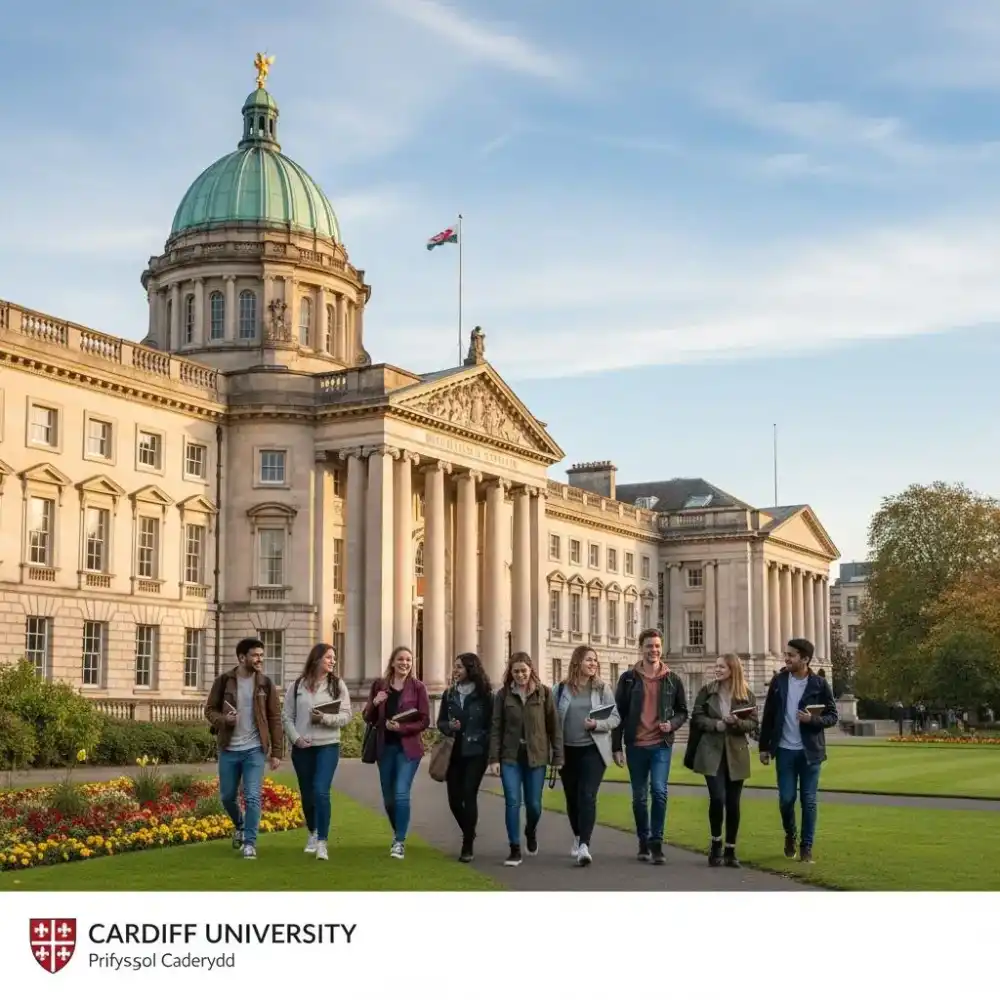
Cardiff University (Prifysgol Caerdydd) stands as a beacon of academic excellence, situated in the heart of the vibrant Welsh capital. As a distinguished member of the prestigious Russell Group, Cardiff University is recognized globally for its commitment to high-impact research, innovative teaching, and a unique "Public Value" mission. Founded by Royal Charter in 1883, the institution has evolved from a local college into a powerhouse of international education, hosting over 33,000 students from more than 130 countries.
Whether you are a prospective undergraduate looking for a transformative experience or a doctoral candidate seeking to push the boundaries of science, Cardiff University offers a stimulating environment where tradition meets the cutting edge.
Historical Roots and the Royal Charter
The story of Cardiff University began on 24 October 1883, when it opened its doors as the University College of South Wales and Monmouthshire. Its first principal, John Viriamu Jones, laid the foundation for an institution that would prioritize both scientific inquiry and the social needs of the community.
In 1988, the university merged with the University of Wales Institute of Science and Technology (UWIST), further strengthening its portfolio in engineering and physical sciences. Today, operating under its own Royal Charter (Registration Number RC000113), the university remains an independent, research-led institution that serves as a cornerstone of the UK’s higher education landscape.
World-Class Rankings and Reputation
Cardiff University consistently secures its place among the world’s elite. According to recent global metrics:
Global Standing: Ranked among the top 170-185 universities worldwide (QS World University Rankings 2025).
Research Excellence: Ranked 14th in the UK for Research Power (REF 2021), with 90% of its research officially rated as "world-leading" or "internationally excellent."
Subject Strengths: The university excels particularly in Communication and Media Studies (Top 40 globally), Architecture, Dentistry, and Psychology.
As the only Russell Group member in Wales, the university provides students with a pedigree of excellence that is recognized by employers across the globe.
The Three Colleges: A Multidisciplinary Powerhouse
Cardiff University is structured into three major colleges, housing 24 academic schools that provide over 300 undergraduate and 200 postgraduate programs.
A. College of Arts, Humanities & Social Sciences
This college is home to the world-renowned Cardiff Business School, the first "Public Value" business school in the world. It focuses on delivering social and economic benefits alongside traditional financial success. Other highlights include the School of Journalism, Media and Culture (JOMEC), often cited as the "Oxbridge of Journalism," and the Welsh School of Architecture, a leader in sustainable design.
B. College of Biomedical & Life Sciences
Leading the way in healthcare and biological innovation, this college includes the School of Medicine, which is integrated with the University Hospital of Wales (Heath Park Campus). It also houses the Cardiff University Brain Research Imaging Centre (CUBRIC), one of the most advanced neuroimaging facilities in Europe.
C. College of Physical Sciences & Engineering
From the Cardiff Catalysis Institute to groundbreaking work in compound semiconductors, this college drives technological progress. It covers fields from Computer Science and Informatics to Earth and Environmental Sciences, addressing global issues like climate change and digital security.
Research That Matters: Innovation and Impact
Research at Cardiff is not just about academic papers; it’s about solving the "Grand Challenges" of the 21st century.
CUBRIC: Focusing on neuroimaging, psychiatric genetics, and brain stimulation, CUBRIC is at the forefront of understanding mental health and neurological disorders.
Catalysis: The Cardiff Catalysis Institute is world-famous for its work on "Gold Catalysis," finding greener ways to manufacture chemicals and fuels.
Innovation Campus: The recently developed sbarc|spark building and the Translational Research Hub serve as bridges between academia and industry, fostering Knowledge Transfer Partnerships (KTPs).
The "Public Value" Mission
Unlike many traditional institutions, Cardiff University explicitly integrates social responsibility into its core strategy. The Public Value Business School model encourages students and faculty to think beyond profit, focusing on how procurement, management, and economics can improve the lives of citizens in Wales and beyond. Through Y Lab, the university collaborates with the Welsh Government to innovate public services.
Campus Life: Cathays Park and Heath Park
The university operates across two primary sites, each offering a distinct atmosphere.
Cathays Park Campus: Characterized by elegant Portland stone buildings and wide tree-lined avenues, this campus is located next to the National Museum Cardiff and Alexandra Gardens. It’s where history meets modern student life.
Heath Park Campus: Home to healthcare courses, this site shares its location with the University Hospital of Wales. It is a mile north of the city center and offers specialized clinical facilities.
Amenities and Student Support
Student wellbeing and employability are central to the Cardiff experience.
Centre for Student Life: A £50m flagship building opened in 2021, providing 24/7 support for health, money management, and career planning.
Cardiff Students’ Union: Regularly voted among the Top 3 in the UK, the SU offers 260+ societies, a nightclub (Y Plas), and a dedicated letting agency for student housing.
Libraries: A network of specialized libraries across campus provides access to millions of digital and physical resources.
Global Outlook and International Recruitment
With a "Global/International Recruitment" service area, Cardiff University is a truly international hub. Over 8,000 international students choose Cardiff annually for its:
Employability: 95% of graduates are in employment or further study within 15 months.
Diversity: Support for 150 nationalities and dual-language support (English and Welsh).
International Study Centre: Providing pathway programs for students needing to bridge the gap before starting their degree.
Living in Cardiff: The Student Experience
Cardiff is one of the most affordable and livable capital cities in Europe.
Green Spaces: Bute Park, a 130-acre landscaped garden, sits right next to the university.
Culture: The Wales Millennium Centre and Principality Stadium offer world-class entertainment.
Connectivity: Only two hours by train from London and surrounded by the stunning landscapes of the Brecon Beacons and South Wales coastline.
Notable Alumni and Brand Associations
Cardiff University has nurtured some of the most influential figures in modern history:
Martin Lewis OBE: Founder of Money Saving Expert.
Susanna Reid: Renowned BBC and ITV journalist.
Strive Masiywa: Billionaire philanthropist and founder of Econet Global.
Professor Alice Roberts: Anatomist and broadcaster.
The university is a proud member of Universities UK, Universities Wales, and the Association of Commonwealth Universities (ACU).
Strategic Partnerships and Executive Education
For professionals and businesses, Cardiff provides more than just degrees.
Executive Education: Short courses and masterclasses in social procurement, leadership, and resilience.
KTPs: Collaborations that inject university expertise into businesses to drive innovation.
Y Lab: A partnership for public service innovation.
Admissions and Financial Information
Applying to Cardiff is straightforward via the online portal.
Accepted Payments: Online Portal, Bank Transfer, Direct Debit, and Student Finance support.
Key Contact: General Enquiries: +44 (0)29 2087 4000 | Email: admissions@cardiff.ac.uk
Working Hours: Monday to Friday, 9:00 AM – 5:00 PM.
Shaping the Future
Cardiff University remains dedicated to its founding vision while embracing the future. By blending academic rigor with a compassionate "Public Value" ethos, it continues to be a top choice for students who want to make a real difference in the world. From the labs of CUBRIC to the lecture theaters of the Welsh School of Architecture, Cardiff is where curiosity meets consequence.
Frequently Asked Questions
1. Is Cardiff University a member of the Russell Group?
Yes, Cardiff University is a founding member of the Russell Group, representing 24 of the UK’s leading research-intensive universities.
2. What are the most popular subjects at Cardiff University?
Cardiff is world-renowned for Journalism (JOMEC), Biosciences, Architecture, Dentistry, Psychology, and its "Public Value" Business School.
3. Where is the university located?
The main campus is in Cathays Park, Cardiff city center, with a second campus at Heath Park (near the University Hospital of Wales).
4. How many students are enrolled at Cardiff?
There are approximately 33,000 students enrolled, including over 8,000 international students from 130+ countries.
5. What is "Public Value" at Cardiff Business School?
It is a unique strategy where the school focuses on social and environmental improvement alongside economic growth, making it the first business school of its kind globally.
6. Is accommodation guaranteed for first-year students?
Yes, Cardiff University typically guarantees a room in university-owned accommodation for all firm-choice international applicants and first-year undergraduates who meet application deadlines.
7. Does Cardiff University offer support for international students?
Absolutely. The Centre for Student Life provides dedicated support for visas, health, money, and English language through the International Study Centre.
8. What was the university’s research ranking in the last REF?
In REF 2021, Cardiff was ranked 14th in the UK for Research Power, with 90% of its research deemed world-leading or internationally excellent.
9. Can I study through the medium of Welsh?
Yes, Cardiff University supports both English and Welsh (Cymraeg). Many courses offer modules or full pathways in Welsh, and the university has a strong Welsh-speaking community.
10. How do I contact the admissions team?
You can reach them at admissions@cardiff.ac.uk or by calling the general helpdesk at +44 (0)29 2087 4000.
Barry
5 Views

Educational Services
Apr 06, 2026
Royal College of Nursing: Global Leader in Excellence
The Royal College of Nursing (RCN) stands as a monumental pillar in the global healthcare landscape. As the world’s largest professional body and registered trade union for nursing staff, the RCN represents more than 500,000 nurses, student nurses, midwives, and healthcare support workers. Founded on March 27, 1916, in the midst of World War I, the organization has evolved from a small collective of eleven founding matrons into a formidable force that shapes health policy, protects workers' rights, and sets the gold standard for clinical practice across the United Kingdom and internationally.
Headquartered at the historic 20 Cavendish Square in London, the RCN serves as both a shield for the individual practitioner and a spearhead for the profession’s advancement. This article provides an in-depth analysis of the RCN’s dual role, its history, its extensive member benefits, and its enduring impact on the healthcare sector.
A Unique Identity: Professional Body Meets Trade Union
One of the most defining characteristics of the Royal College of Nursing is its dual status. Unlike many organizations that focus solely on either professional standards or labor rights, the RCN integrates both into a single, cohesive mission.
1. The Registered Trade Union
As a registered trade union (since 1977), the RCN is the primary advocate for nursing staff in the UK. It fights for fair pay, safe staffing levels, and improved working conditions. Through its network of safety representatives and stewards, the RCN ensures that the voice of nursing is heard at the highest levels of government and within the NHS Staff Council.
2. The Professional Association
Under its Royal Charter (granted in 1928), the RCN is mandated to promote the "science and art of nursing." It establishes the ethical framework and clinical standards that govern the profession. This role includes providing accredited learning resources, clinical leadership training, and maintaining the integrity of the nursing profession through rigorous research and policy development.
History and Heritage: From Eleven Matrons to a Global Powerhouse
The RCN was born out of a necessity to standardize nursing education and provide a collective voice for a profession that was largely fragmented.
Founding (1916): Founded by eleven pioneering matrons, including Margaret Elwyn Sparshott and Sarah Swift, the "College of Nursing Ltd" aimed to bring structure to nursing training.
Royal Recognition (1928–1939): After receiving its Royal Charter in 1928, King George VI conferred the title "Royal" in 1939, cementing its prestige.
Expansion (1960–Present): In 1960, membership was opened to all registered nurses, including men. By the 21st century, it expanded to include nursing associates and healthcare support workers, reflecting the diversity of the modern healthcare team.
Core Services and Member Benefits
Membership in the Royal College of Nursing provides unrivaled access to a suite of professional and personal support services. These are designed to protect members' careers and enhance their professional development.
Legal and Employment Advice
The RCN Direct helpdesk (+44 (0)345 772 6100) is a vital resource for members. Whether facing a workplace dispute, an NMC (Nursing and Midwifery Council) referral, or requiring contract advice, the RCN’s expert legal team provides comprehensive representation.
The RCN Indemnity Scheme
Professional indemnity is a requirement for registration. The RCN provides an industry-leading indemnity scheme that covers members for their professional practice, offering peace of mind in an increasingly complex legal environment.
Europe’s Largest Nursing Library
The RCN Library and Archive is a treasure trove of medical knowledge. With physical locations in London, Belfast, Cardiff, and Edinburgh, and a vast digital portal, members can access thousands of journals, books, and e-learning modules via the RCN Learn portal.
Accredited Learning and Career Coaching
Continuous Professional Development (CPD) is at the heart of the RCN’s mission. The organization offers:
Accredited Courses: Ranging from clinical skills to leadership.
Career Coaching: Personalized 1-to-1 sessions to help members navigate their career paths.
Specialist Forums: Over 35 professional networks where members can specialize in areas like mental health, emergency care, or district nursing.
Shaping Health Policy: The Advocate for Change
The RCN is more than a member-service provider; it is a political influencer. By lobbying the UK governments in England, Scotland, Wales, and Northern Ireland, the RCN ensures that nursing expertise informs legislation.
Key Policy Areas:
Workforce Planning: Advocating for safe staffing laws to prevent burnout and ensure patient safety.
Nursing Standards & Ethics: Developing the "Nursing Workforce Standards" which serve as a blueprint for safe and effective care.
Global Health: As a prominent member of the International Council of Nurses (ICN), the RCN contributes to global nursing standards and disaster response initiatives.
Organizational Structure and Brands
The RCN Group consists of several specialized entities:
RCN Learn: The hub for all educational and professional development resources.
RCNi: A leading provider of nursing journals, including the Nursing Standard, and digital tools like the RCNi Portfolio for revalidation.
RCN Foundation: An independent charity that provides grants for nursing research and hardship support for members in financial distress.
Practical Information for Members
Membership Eligibility
The RCN welcomes:
Registered Nurses and Midwives.
Nursing Students (offering heavily discounted rates).
Nursing Associates and Healthcare Support Workers.
Retired Nursing Staff.
Contact and Headquarters
Address: 20 Cavendish Square, London, W1G 0RN (Near Oxford Circus).
Phone: +44 (0)20 7409 3333.
Email: membership@rcn.org.uk.
Working Hours: Monday to Friday, 9:00 AM – 5:00 PM.
Frequently Asked Questions
1. Who can join the Royal College of Nursing?
Membership is open to registered nurses, midwives, nursing students, nursing associates, and healthcare support workers across the UK and internationally.
2. What is RCN Direct?
RCN Direct is the organization's dedicated advice service, providing members with information on employment rights, professional practice, and welfare through their helpline at +44 (0)345 772 6100.
3. Does the RCN provide professional indemnity insurance?
Yes, the RCN Indemnity Scheme is included in the membership for most roles, providing the necessary cover required for NMC registration.
4. Where is the RCN headquarters located?
The headquarters is located at 20 Cavendish Square, London, W1G 0RN, United Kingdom, near the landmark Royal Society of Medicine.
5. Is the RCN a charity or a trade union?
The RCN is a registered trade union and a professional body with a Royal Charter. The RCN Foundation is the separate charitable arm of the group.
6. Can I access the RCN library online?
Yes, while there are physical libraries in the four UK capital cities, the RCN Learn portal and digital library provide 24/7 access to e-journals and books for members.
7. How does the RCN support nursing students?
Students receive discounted membership, access to RCN Students forums, help with placements, and specialized learning resources to assist with their studies and revalidation.
8. What payment methods does the RCN accept for dues?
The RCN primarily accepts Direct Debit for membership dues, but bank transfers and credit/debit cards are also accepted.
9. What are the founding principles of the RCN?
The RCN was founded to promote excellence in nursing practice, standardize education, and represent the professional interests of nurses.
10. How does the RCN influence government policy?
The RCN lobbies parliament, provides expert evidence to committees, and campaigns on behalf of the nursing workforce to shape health and social care legislation.
An Anchor for the Nursing Community
For over a century, the Royal College of Nursing has remained the steadfast guardian of the nursing profession. By bridging the gap between clinical excellence and labor advocacy, the RCN ensures that its 500,000+ members are protected, educated, and heard. As the healthcare landscape continues to evolve, the RCN remains at the forefront, protecting the diversity and integrity of nursing for the benefit of both the profession and the patients they serve.
Social Media & Web:
Website: https://www.rcn.org.uk
LinkedIn: linkedin.com/company/royal-college-of-nursing
Facebook: facebook.com/royalcollegeofnursing
Barry
7 Views
Educational Services
Apr 06, 2026
University of Bradford: Global Innovation & Excellence HQ
The University of Bradford is not just a place of learning; it is an engine of transformation. Located in the heart of West Yorkshire, United Kingdom, this technology-focused institution has carved out a global reputation for academic excellence, social mobility, and real-world innovation. Established via Royal Charter in 1966—with roots reaching back to the 1832 Mechanics Institute—Bradford has consistently bridged the gap between academic theory and professional practice.
With a mission of "Making Knowledge Work," the university focuses on creating high-quality teaching and research that addresses the most pressing global challenges. From being the first British university to establish a Department of Peace Studies to becoming a five-time champion of the Social Mobility Index, Bradford is a pioneer in every sense of the word.
A Legacy of Firsts: History and Heritage
The University of Bradford’s journey began during the Industrial Revolution, evolving from a technical institute into a world-class research university. Its first Chancellor was the former British Prime Minister Harold Wilson, a testament to the institution’s significance in the UK’s educational landscape.
In 1973, Bradford broke new ground by founding the Department of Peace Studies and International Development. At a time of global tension, it was the first of its kind in the UK and remains the largest center for the study of peace and conflict in the world. This spirit of courageous inquiry continues to define the university today.
Academic Excellence Across Four Key Faculties
The university’s academic structure is designed to be "future-ready," ensuring that every program has a direct link to industry needs.
1. Faculty of Management, Law and Social Sciences
This faculty houses the world-renowned Bradford School of Management. It is part of an elite 1% of business schools globally to hold the "Triple Crown" accreditation from AACSB, AMBA, and EQUIS.
Specializations: Accounting, Finance, International Business, and the highly-ranked Distance Learning MBA.
Impact: Named THE Business School of the Year in 2021, the school is a leader in economic and social regeneration.
2. Faculty of Health Studies
Bradford is a powerhouse in healthcare education. It offers unique programs such as the UK’s only paramedic degree with a paid placement in the Yorkshire Ambulance Service.
Focus Areas: Nursing, Midwifery, Physiotherapy, and Occupational Therapy.
Innovation: Home to the Digital Health Enterprise Zone (DHEZ), where researchers and businesses collaborate on digital solutions for long-term health conditions.
3. Faculty of Life Sciences
From the Centre for Skin Sciences (one of the largest in Britain) to the Institute of Cancer Therapeutics, Bradford’s life sciences researchers are making breakthroughs that save lives.
Key Fields: Pharmacy, Forensic Science, Archaeological Sciences, and Biomedical Science.
4. Faculty of Engineering and Digital Technologies
Rooted in Bradford’s industrial heritage, this faculty blends traditional engineering with cutting-edge digital tech.
Core Strengths: Civil & Structural Engineering, Chemical Engineering, Artificial Intelligence, and Game Design.
Facilities: State-of-the-art labs and a "Digital Twin" of the Bradford city center (Virtual Bradford).
The #1 University for Social Mobility
In 2026, the University of Bradford secured its fifth consecutive #1 ranking on the Higher Education Policy Institute’s (HEPI) English Social Mobility Index. This means that more than any other university in England, Bradford helps students from disadvantaged backgrounds achieve significant career success.
This commitment to "widening participation" ensures that talent—not background—determines a student’s future. With students from over 130 countries, the campus is a vibrant, international community where diversity is celebrated as a core strength.
The Sustainable "Eco-Campus"
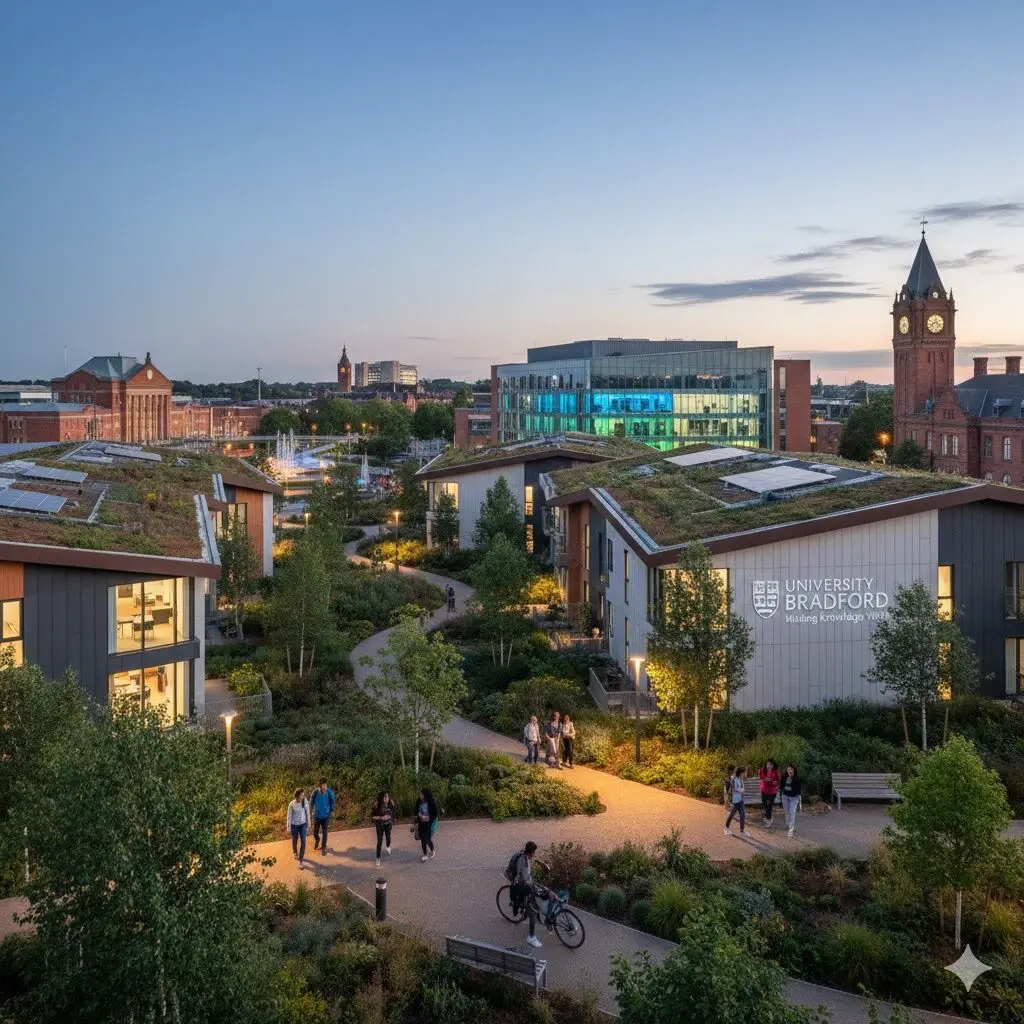
The University of Bradford is a leader in the global sustainability movement. Its campus is a living laboratory for green initiatives:
The Green: An award-winning student village with one of the highest BREEAM ratings for sustainability in the world (95.05%).
Energy Efficiency: The university has invested millions in decarbonizing its estate, utilizing solar PV panels and wildflower meadows to enhance biodiversity.
Fairtrade Status: A certified Fairtrade University since 2006.
Research with Real-World Impact
In the latest Research Excellence Framework (REF), a staggering 86% of Bradford’s research was rated world-leading or internationally excellent.
Peace & Conflict: Shaping global policy for the UN and NATO.
Archaeology: Using digital heritage to preserve sites at risk of destruction.
Circular Economy: Partnering with industry to design out waste and promote sustainable business models.
Student Life and Amenities
Life at Bradford is about more than just lectures. The campus is located near the Alhambra Theatre and the award-winning City Park, offering a blend of culture and modern convenience.
24/7 Library: A dedicated space for study and research.
Team Bradford: The university’s sports community, fostering health and teamwork.
Multi-faith Prayer Rooms: Supporting the spiritual needs of a diverse student body.
Careers Support: Graduates benefit from five years of post-graduation careers support.
Frequently Asked Questions
1. Is the University of Bradford a good university?
Yes, it is highly respected, particularly for graduate employability and social mobility. Its School of Management is triple-accredited, and it ranks in the top 20 UK universities for social inclusion.
2. What are the most popular courses at the University of Bradford?
Popular programs include Business Management (MBA), Peace Studies, Pharmacy, Civil Engineering, and Nursing.
3. Does the university offer scholarships for international students?
Yes, the University of Bradford offers a variety of scholarships based on academic merit and country of origin to support its international community.
4. What is the "Triple Crown" accreditation?
It refers to accreditation from AACSB, AMBA, and EQUIS. Only 1% of business schools worldwide hold all three, including the Bradford School of Management.
5. How far is the campus from the city center?
The main Richmond Road campus is located just a few minutes' walk from Bradford city center, making it highly accessible.
6. What is "Social Mobility," and why is Bradford #1?
Social mobility measures how much a university helps students from lower-income backgrounds move into high-skilled jobs. Bradford excels at this due to its strong industry links and student support.
7. Can I work while studying at Bradford?
International students typically can work up to 20 hours per week during term time (subject to visa regulations). The university’s Career and Employability Services helps students find part-time work.
8. What is the "Digital Health Enterprise Zone"?
It is a multi-million-pound hub on campus where the university, the NHS, and tech companies work together to create digital tools for healthcare.
9. Is accommodation guaranteed for first-year students?
The university usually offers accommodation guarantees for first-year students who apply by the deadline, primarily at "The Green" eco-village.
10. What is the "Tolstoy Cup"?
It is a famous annual football match between the Peace Studies students at Bradford and the War Studies students at King’s College London—often cited as one of the great college rivalries.
Contact Information
Website: www.bradford.ac.uk
Phone: +44 (0)1274 232323
Email: enquiries@bradford.ac.uk
Address: Richmond Road, Bradford, West Yorkshire, BD7 1DP, UK
Bradford
13 Views
Educational Services
Apr 06, 2026
UNA Coventry: Localizing Global Peace & Action
In an era where global challenges—from climate change to international conflict—can feel overwhelming, local action remains the most potent antidote to apathy. In the heart of the West Midlands, the United Nations Association – Coventry Branch (UNA Coventry) serves as a vital conduit, translating the high-level diplomacy of the UN into meaningful local change.
Founded in 2016, UNA Coventry is more than just a branch of a national charity; it is a fundamental part of Coventry’s identity as the UK’s "City of Peace and Reconciliation." By focusing on the four pillars of the United Nations—Peace and Security, Human Rights, Sustainable Development, and International Law—this volunteer-led organization empowers citizens to become global stakeholders.
The Heritage of Peace: Why Coventry?
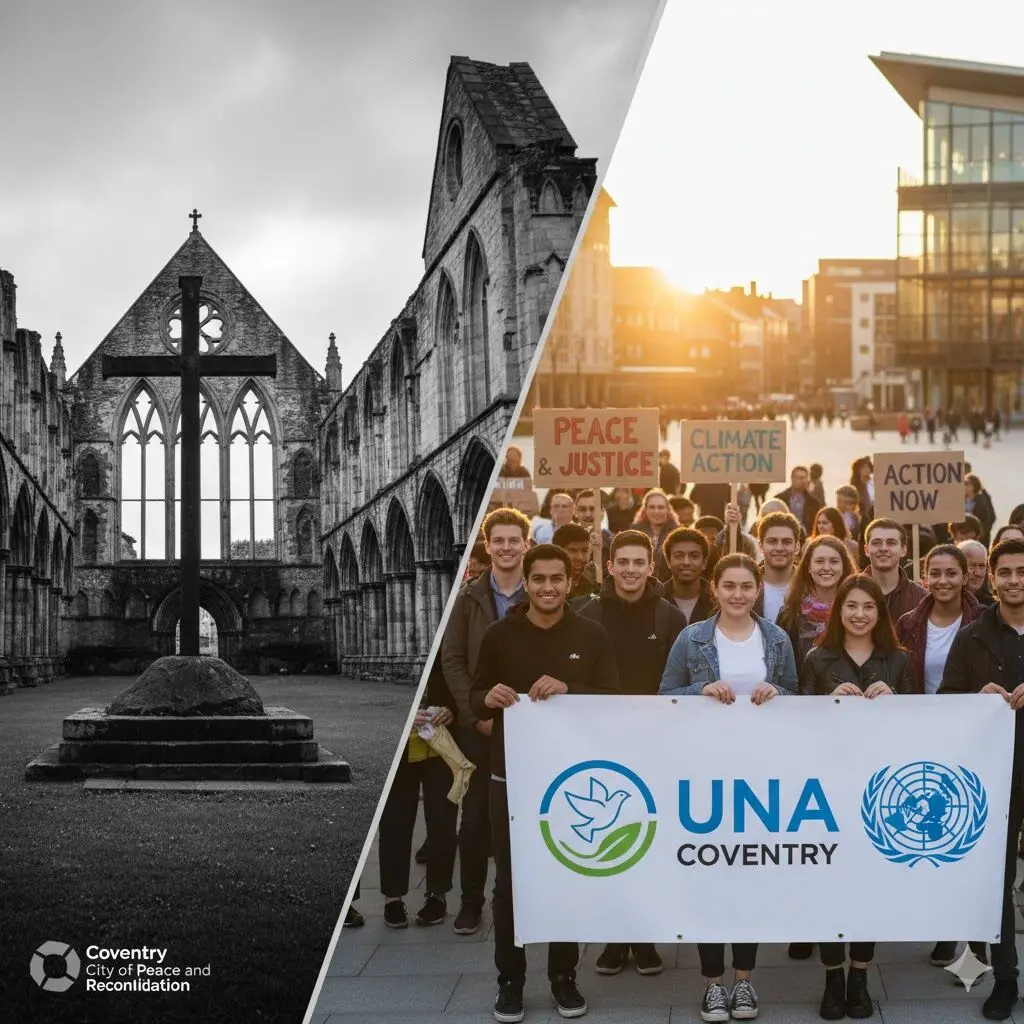
To understand UNA Coventry, one must first understand its home. Coventry’s journey from a Blitz-shattered city to a global symbol of reconciliation is the bedrock upon which the branch was built.
In November 1940, the destruction of Coventry Cathedral by the Luftwaffe sparked a revolutionary response from Provost Richard Howard: a call for forgiveness rather than revenge. This "Coventry Spirit" eventually led the city to become the world's first "twin city" (with Stalingrad, now Volgograd) and a leader in international friendship. UNA Coventry continues this legacy, ensuring that the city’s historic commitment to peace isn't just a memory, but a living, breathing advocacy strategy.
Mission and Vision: Global Goals, Local Roots
Formally recognized by UNA-UK on June 25, 2016, UNA Coventry was established to address a clear need: making the complex work of the United Nations accessible to everyday people.
Core Objectives:
Education: Breaking down the Sustainable Development Goals (SDGs) for schools and universities.
Advocacy: Influencing local policy through awareness campaigns.
Action: Providing tangible platforms for volunteering and activism.
Connection: Serving as a bridge between local NGOs and international frameworks.
Peace and Reconciliation
As a cornerstone of their work, UNA Coventry leads numerous initiatives centered on restorative justice and conflict resolution.
The Coventry Restorative Justice (CovRJ) Initiative
UNA Coventry doesn't just talk about peace; it implements the tools of reconciliation. By managing the Coventry Restorative Justice network, the branch promotes the use of restorative practices in schools, workplaces, and the justice system. This approach focuses on repairing harm and rebuilding relationships, echoing the cathedral’s message of forgiveness.
International Young People’s Peace Essay Competition
To engage the next generation, the branch hosts essay competitions that challenge youth to think critically about global security. By asking "What does peace look like in the 21st century?", UNA Coventry fosters a cohort of young leaders equipped with the vocabulary of diplomacy.
Climate Action and Sustainable Development
Climate change is the defining crisis of our time, and UNA Coventry has positioned itself at the forefront of the local response.
Coventry Climate Action Network (CovCAN)
Managed by UNA Coventry, CovCAN is a specialized network that brings together activists, students, and policymakers. Its goal is simple: to make Coventry a carbon-neutral city.
Educational Resources: CovCAN provides comprehensive guides on reducing carbon footprints at home and in the workplace.
Advocacy: The network lobbies the local council for greener transport and energy solutions.
Biodiversity: Projects like "Encouraging Biodiversity" help local residents transform urban spaces into ecological havens.
The SDGs in the West Midlands
The UN’s 17 Sustainable Development Goals (SDGs) serve as the branch’s roadmap. Whether it’s Goal 13 (Climate Action), Goal 16 (Peace, Justice, and Strong Institutions), or Goal 5 (Gender Equality), UNA Coventry ensures these targets are discussed in local town halls and community centers.
Human Rights Education
Human rights are often viewed as a legal abstraction, but UNA Coventry works to show their everyday relevance. From hosting events on Holocaust Memorial Day to raising awareness about modern slavery and human trafficking, the branch ensures that the Universal Declaration of Human Rights remains a local priority.
Engaging Diverse Communities
Coventry is a multicultural hub, and UNA Coventry reflects this diversity. The Coventry Muslim Mental Health Project is a prime example of how the branch applies UN principles (the right to health) to specific community needs, breaking down stigmas and improving access to care.
Leadership and Volunteerism
At the helm of this movement is Philip Brown, the Branch Secretary and a key coordinator whose vision for "History of the Universe" led him to realize that global cooperation is the next step in human evolution. Under his guidance, a core committee of 5–10 dedicated volunteers manages a wide radius of impact—serving not just Coventry, but Warwickshire and the wider West Midlands.
How to Get Involved
UNA Coventry is a grassroots organization that thrives on volunteer power. Opportunities range from:
Social Media Management: Helping spread the word about global UN campaigns.
Event Planning: Organizing workshops and "Cine UNACov" film screenings.
Content Writing: Contributing to a website that now hosts over 1,000 pages of educational content.
Strategic Partnerships
UNA Coventry does not work in isolation. By collaborating with organizations like Coventry Peace House, Warwick District UNA, and UNA-UK, the branch creates a powerful network of advocacy. These associations ensure that when UNA Coventry speaks, it carries the weight of a national and international movement.
The Future of UNA Coventry
As we look toward 2030, the mission of UNA Coventry is more urgent than ever. The organization remains committed to being a voice for the voiceless and a catalyst for local action. By supporting UNA Coventry, whether through donations, volunteering, or attending events, you are participating in a global movement for a fairer, more sustainable world.
Frequently Asked Questions
1. Is UNA Coventry part of the official United Nations?
No. UNA Coventry is an independent, volunteer-led branch of UNA-UK. It supports the principles of the UN but is not an official organ of the United Nations.
2. What is CovCAN?
CovCAN stands for the Coventry Climate Action Network. It is a project managed by UNA Coventry that focuses on local climate advocacy and sustainability education.
3. How can I volunteer for UNA Coventry?
You can apply via their website (unacov.uk) or through "Get Involved Coventry." Roles are variable and depend on your skills and availability.
4. Does the organization offer paid positions?
UNA Coventry is entirely volunteer-led. Core committee members and project leads donate their time to the cause.
5. Where is UNA Coventry located?
Their administrative address is c/o Penny Press, 176 Greendale Road, Coventry. However, events are held at various locations across the city.
6. How is UNA Coventry funded?
The branch relies on public donations, bank transfers, and PayPal contributions. It also operates under the parent charity registration of UNA-UK.
7. Can students get involved?
Absolutely. UNA Coventry has a strong focus on youth engagement, offering opportunities for students to lead projects or participate in peace competitions.
8. What geographic area does UNA Coventry serve?
While based in Coventry, the branch serves a radius of approximately 50 miles, including Warwickshire and parts of the West Midlands.
9. What are the "Four Pillars" of the UN that you focus on?
They are: Peace and Security, Human Rights, Sustainable Development, and International Law.
10. How can I stay updated on UNA Coventry events?
You can follow them on X (Twitter) @unacov, Facebook at facebook.com/unacoventry, or subscribe to their newsletter via the website.
Coventry
9 Views
Article Posting
Get Started Today to Publish an Article

Educational Services
Apr 06, 2026
ISBL: Empowering Modern School Business Leadership
In the rapidly evolving landscape of the UK education sector, the role of the School Business Professional (SBP) has transitioned from administrative support to a cornerstone of strategic leadership. At the heart of this transformation is the Institute of School Business Leadership (ISBL). As the UK’s premier professional body for school business practitioners, ISBL provides the framework, recognition, and resources necessary to ensure that educational institutions are managed with the highest levels of efficiency and integrity.
This comprehensive guide explores the evolution of ISBL, the vital importance of professional standards, and how the institute serves as the essential partner for school leaders navigating the complexities of modern education management.
The Evolution of ISBL: From NASBM to National Authority
The journey of ISBL began in 1996 as the National Association of School Business Management (NASBM). For over two decades, NASBM served as a grassroots organization for school secretaries and bursars. However, as the UK government shifted toward greater school autonomy and the rise of Multi-Academy Trusts (MATs), the demands on business leaders grew exponentially.
In 2017, the organization made a historic transition to become the Institute of School Business Leadership (ISBL). This change was not merely cosmetic; it signaled a professionalization of the sector. Under the leadership of Chief Executive Stephen Morales, ISBL was granted "Institute" status, reflecting its role as a nationally recognized professional body capable of setting standards for the entire profession.
The ISBL Value Proposition: Why Professionalism Matters
The core mission of ISBL is to ensure that school resources are managed effectively so that every penny contributes directly to improved pupil outcomes. With tightening school budgets and increasing public scrutiny, the "business" of running a school has never been more critical.
The Strategic Shift
Traditionally, the "Business Manager" handled payroll and facilities. Today, an ISBL-supported professional is a strategic partner to the Headteacher and the Board of Governors. They are experts in:
Integrated Curriculum and Financial Planning (ICFP): Ensuring the school’s educational ambitions are financially sustainable.
Risk Management: Protecting the institution from financial and operational vulnerabilities.
Change Management: Leading schools through academization or structural growth.
The ISBL Professional Standards Framework
One of the institute's most significant contributions to the sector is the ISBL Professional Standards. Developed by the sector, for the sector, these standards are endorsed by the Department for Education (DfE).
The Six Main Disciplines
The framework defines competency across six core areas:
Finance: Financial planning, monitoring, and statutory reporting.
Human Resources: Managing the school’s most valuable asset—its people.
Procurement: Achieving value for money through ethical and efficient buying.
Operations: Managing school estates, health and safety, and daily logistics.
Governance and Risk: Ensuring transparency and compliance with education law.
Marketing and Infrastructure: Building the school’s brand and managing digital assets.
The Tiers of Practice
ISBL recognizes that the profession includes everyone from entry-level administrators to Executive Directors. The standards are mapped across four tiers:
Tier 1: Entry-level / Associate
Tier 2: Practitioner
Tier 3: Lead Practitioner
Tier 4: Strategic / Executive Leader
Qualifications and Career Progression
ISBL offers a structured pathway for career development, ensuring that practitioners can validate their experience with accredited qualifications.
Accredited Learning Levels
Levels 3 & 4: Ideal for those entering the profession or moving into administrative leadership.
Level 5: Focused on middle management and specialized practitioner roles.
Levels 6 & 7: Designed for senior leaders, including Chief Finance Officers (CFOs) and Chief Operating Officers (COOs) within large trusts.
These qualifications are often delivered in partnership with recognized bodies like CIPD (for HR) and CIPFA (for Finance), ensuring that school business management is held to the same rigor as commercial sectors.
Membership Benefits: Joining the ISBL Community
Becoming a member of ISBL provides more than just a certificate; it provides a professional home.
Professional Recognition: Tiers ranging from Associate to Fellow allow members to use post-nominal letters (e.g., FISBL for Fellows), signaling their expertise to employers.
CPD Tracker: An online tool to document ongoing professional development, which is a requirement for maintaining professional status.
The Good Practice Library: Access to thousands of templates, policy updates, and research papers that save hours of administrative time.
Networking: Regional seminars and a dedicated member portal connect practitioners across the UK, breaking the isolation often felt by SBMs in small schools.
ISBL and the Department for Education (DfE)
ISBL acts as a powerful advocate for the profession at the highest levels of government. Through regular collaboration with the DfE, ISBL ensures that the voice of the school business professional is heard during policy-making.
A prime example is the School Resource Management Advisor (SRMA) program. ISBL has played a key role in identifying and training experts who go into schools to help them optimize their spend and re-invest savings into teaching and learning.
The National Conference and Regional Events
The ISBL National Conference is the flagship event for the sector. It brings together hundreds of professionals, government officials, and leading educational suppliers. These events focus on high-level strategy, providing attendees with the foresight needed to navigate upcoming legislative changes or economic shifts.
Navigating Academization and Trust Growth
As the UK education system moves toward a fully academized model, the complexity of managing multiple school sites becomes a significant challenge. ISBL provides the "blueprints" for Multi-Academy Trust (MAT) central teams. By professionalizing the "central office," ISBL helps trusts achieve "Operational Excellence" (OpEx), ensuring that growth does not come at the cost of efficiency or school identity.
Ethical Practice and Accountability
School business professionals manage billions of pounds of public money. ISBL emphasizes ethical leadership and accountability. Members commit to a code of conduct that prioritizes the welfare of students and the integrity of the institution. This ethical backbone is what gives boards of governors the confidence to delegate significant financial authority to ISBL-accredited professionals.
The Future of School Business Leadership
The future of school leadership is collaborative. We are moving away from a model where the Headteacher is the sole leader. The emerging "co-leadership" model—where the Head focuses on pedagogy and the SBP focuses on the business strategy—is the gold standard advocated by ISBL.
As technology, artificial intelligence, and new funding formulas change the classroom, the SBP will be the one ensuring that the infrastructure is ready to support these innovations.
Frequently Asked Questions
1. What is the difference between NASBM and ISBL?
NASBM (National Association of School Business Management) was the predecessor to ISBL. The transition to the Institute of School Business Leadership in 2017 represented a shift toward a professional body with the authority to set national standards and offer higher-level professional recognition.
2. Who can join ISBL?
Membership is open to anyone working in or aspiring to work in school business leadership. This includes Finance Officers, HR Managers, Estates Managers, School Business Managers, and COOs/CFOs of Multi-Academy Trusts.
3. Do I need a specific degree to become an ISBL member?
No. ISBL offers different membership tiers based on your current experience and qualification level. You can start as an Associate and work your way up to Fellowship as your career progresses.
4. Are the ISBL Professional Standards mandatory?
While not legally mandatory, the standards are strongly recommended by the Department for Education (DfE) and are increasingly used by school governors as a benchmark for recruitment and performance management.
5. How much does ISBL membership cost?
Fees vary depending on the membership tier (e.g., Associate vs. Fellow). Schools and Trusts can also opt for "Group Membership" to cover multiple staff members under one subscription.
6. Can ISBL help me find a job?
Yes. Members have access to a recruitment hub and specialized career advice. Furthermore, holding an ISBL accreditation is a highly regarded asset on a CV in the education sector.
7. Does ISBL offer training for Multi-Academy Trusts?
Absolutely. ISBL has specific resources and training modules designed for central trust teams, focusing on scaling operations and strategic financial oversight across multiple schools.
8. Is ISBL recognized outside of the UK?
While ISBL focuses on the UK education system, its professional standards are based on universal business principles and are respected internationally. ISBL also engages in global research and exchange programs.
9. What is "Fellowship" in ISBL?
Fellowship (FISBL) is the highest level of individual membership. it is awarded to senior practitioners who demonstrate significant impact in their schools or trusts and contribute to the wider profession through mentoring or system leadership.
10. How do I contact the ISBL helpdesk?
You can reach the ISBL headquarters in Coventry at +44 (0)24 7623 1115 or via email at info@isbl.org.uk.
The Institute of School Business Leadership (ISBL) is more than just a professional association; it is the engine driving professional standards in UK schools. By providing a clear roadmap for career progression and advocating for the strategic importance of the SBP role, ISBL ensures that school leaders have the expertise to navigate a complex financial future. Whether you are a newcomer to the sector or a seasoned executive, ISBL is your essential partner in achieving excellence in education management.
Contact Information
Website: https://isbl.org.uk
Address: 53-54 Butts, Coventry, CV1 3BH, United Kingdom
Phone: +44 (0)24 7623 1115
LinkedIn: ISBL Company Page
Coventry
7 Views

Educational Services
Apr 06, 2026
Empowering Housing Professionals: The Definitive Guide to CIH
In an era where the demand for safe, sustainable, and affordable housing is more critical than ever, the Chartered Institute of Housing (CIH) stands as the beacon of excellence for the sector. As the professional body for people who work in housing, CIH is not just an organization; it is a movement dedicated to ensuring that everyone has a place to call home.
Headquartered in Coventry, West Midlands, and operating under a Royal Charter, CIH has spent over a century professionalizing the housing industry. Whether you are a frontline housing officer, a strategic manager, or an aspiring student, understanding the role of the CIH is essential for navigating a career in this vital field.
The Mission and History of CIH
Founded in 1916 and granted its Royal Charter in 1984, the CIH was born out of a necessity to improve housing conditions and establish rigorous professional standards. Today, it serves as the "independent voice for housing," influencing government policy and providing a framework for ethical and effective housing management.
With regional hubs including CIH Scotland, CIH Cymru, and CIH Northern Ireland, as well as international branches in Canada and the Asian Pacific, the institute’s reach is truly global. Its mission remains steadfast: to support housing professionals in creating a future where housing is a right, not a privilege.
Why CIH Membership Matters
Becoming a member of the Chartered Institute of Housing is a hallmark of professional prestige. It signifies a commitment to the "home of professional standards."
1. Professional Recognition (CIHCM)
Achieving Chartered Status (CIHCM) is the "gold standard" for housing professionals. It demonstrates a high level of expertise, ethical integrity, and strategic thinking. Members can use designatory letters (Cert CIH, CIHCM, or FCIH) to showcase their credentials to employers and peers.
2. The CIH Housing Academy
The CIH Housing Academy is the UK’s largest provider of housing-related qualifications. From Level 2 certificates for those new to the sector to Level 5 diplomas for senior leaders, the academy offers a clear pathway for career progression.
Level 2: Ideal for frontline staff and residents.
Level 3: Focuses on technical knowledge for practitioners.
Level 4-5: Designed for supervisory and strategic management roles.
3. Exclusive Member Amenities
Membership unlocks a treasure trove of resources, including:
Professional Mentoring: Connecting seasoned executives with emerging talent.
Career Hub: A dedicated space for job seekers and career development.
Knowledge Hub: Access to policy research, publications, and best-practice guides.
Virtual Learning Environment (VLE): Flexible online training for busy professionals.
Influencing Housing Policy and Standards
The CIH is at the forefront of Housing Policy and Social Housing Regulation. By working closely with the government, the institute ensures that the voices of housing providers and residents are heard at the highest levels.
Recent initiatives have focused on:
Asset Management: Ensuring the long-term sustainability of housing stock.
Residential Management: Enhancing the quality of private and social rented sectors.
Professional Standards: Introducing a self-assessment tool based on seven core characteristics: integrity, inclusivity, ethical practice, knowledge, skills, advocacy, and leadership.
High-Impact Events and Networking
The CIH hosts some of the industry’s most significant gatherings, such as Housing Central and regional conferences. These events serve as a hub for knowledge-sharing, allowing professionals to discuss the latest trends in Social Housing Regulation and Housing Law.
Business Information at a Glance
Headquarters: Suite 2, Angas House, Westwood Way, Coventry, CV4 8HS, UK.
Contact: +44 (0)24 7685 1700 | customer.services@cih.org
Website: www.cih.org
Working Hours: Monday to Friday, 9 AM – 5 PM.
Accepted Payments: Credit/Debit Cards, BACS, Direct Debit, and Invoicing.
Frequently Asked Questions
1. What does CIH stand for?
CIH stands for the Chartered Institute of Housing, the professional body for people working in the housing sector.
2. How do I become a Chartered Member (CIHCM)?
You can achieve Chartered status by completing a CIH Level 5 qualification or through the "Experienced Professional Route" if you have significant senior-level experience.
3. Is CIH membership recognized internationally?
Yes, CIH has members in over 20 countries and dedicated branches in Canada and Hong Kong (Asian Pacific).
4. What are the benefits of the CIH Housing Academy?
The Academy provides accredited qualifications (Levels 2-5) that are highly valued by employers, helping you gain technical skills and theoretical knowledge.
5. Does CIH influence UK government policy?
Yes, CIH is a key stakeholder that provides evidence-based research and policy recommendations to ensure housing remains a national priority.
6. Can students join the CIH?
Absolutely. CIH offers student memberships and Level 2 qualifications specifically designed for those starting their career or residents wanting to get involved.
7. What are the "Professional Standards" set by CIH?
The standards are a framework of seven characteristics (e.g., integrity, leadership, ethics) designed to guide the conduct and development of housing professionals.
8. How can I contact CIH customer services?
You can reach them via phone at +44 (0)24 7685 1700 or email at customer.services@cih.org.
9. Does CIH provide mentoring?
Yes, members have access to a professional mentoring scheme that matches mentees with experienced housing leaders.
10. What payment methods does CIH accept for membership fees?
CIH accepts Credit/Debit cards, BACS transfers, Direct Debits, and corporate invoicing.
Coventry
8 Views
Educational Services
Apr 06, 2026
University of Warwick: Excellence in Research & Innovation
The University of Warwick is not just an institution of higher learning; it is a catalyst for change, a hub for industrial innovation, and a vibrant international community. Since receiving its Royal Charter in 1965, Warwick has defied the traditional trajectory of academic institutions, rapidly ascending to the pinnacle of global rankings. Today, it stands as a cornerstone of the prestigious Russell Group, recognized for its uncompromising commitment to research excellence and a unique, entrepreneurial approach to education known as the "Warwick Way."
A Visionary History: From 1965 to Global Leadership
The story of the University of Warwick began with a bold post-war vision to create a new kind of university—one that bridged the gap between academic theory and practical, industrial application. Established in 1965, Warwick was part of the "plate glass" generation of universities, but it quickly distinguished itself through its agility and its willingness to partner with the private sector.
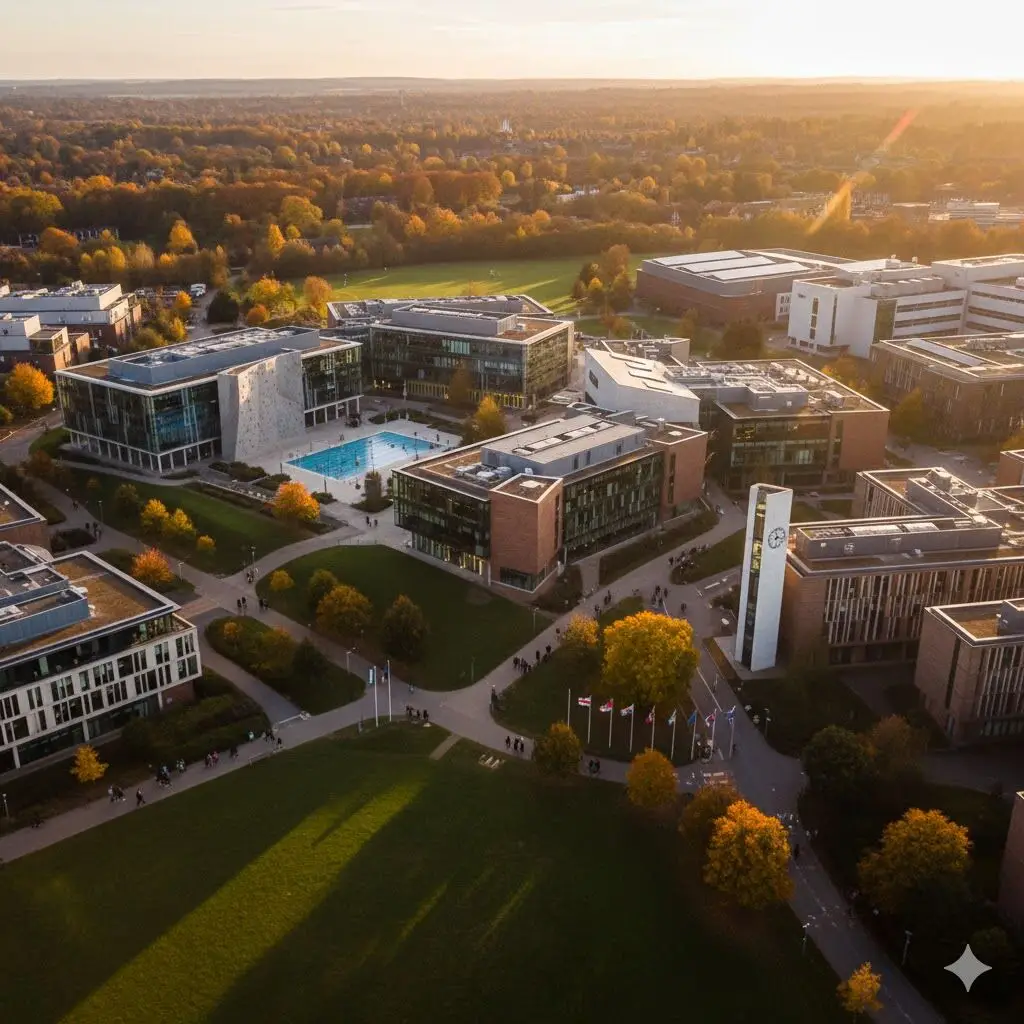
Under the leadership of its founding Vice-Chancellor, Jack Butterworth, the university was built on a massive 290-hectare site on the border of Coventry and Warwickshire. This location was strategic, placing the university at the heart of the UK’s industrial West Midlands. From its inception, Warwick sought to be "enterprising and outward-looking," a philosophy that continues to drive its success today.
Academic Excellence: The Four Pillars of Learning
Warwick’s academic structure is designed to foster interdisciplinary thinking. The university provides a transformative educational experience across four primary faculties:
Faculty of Arts: Home to world-leading departments in History, English, and Creative Arts, the faculty is a center for cultural inquiry and creative expression.
Faculty of Social Sciences: Consistently ranked among the best in the world, particularly in Economics, Law, and Politics.
Faculty of Science, Engineering and Medicine: This massive faculty houses the Warwick Medical School and cutting-edge departments in Data Science, AI, and Life Sciences.
Warwick Business School (WBS): A triple-accredited (AACSB, AMBA, EQUIS) powerhouse with a presence both on the main campus and at The Shard in London.
The Warwick Business School (WBS)
As one of the world’s elite business schools, WBS is a leader in Executive Education, MBA programs, and specialized Master's degrees. Its "Distance Learning MBA" is frequently ranked #1 in the world by the Financial Times, reflecting the school’s digital innovation and global reach.
WMG: Bridging the Gap Between Academia and Industry
One of the most unique aspects of the University of Warwick is the Warwick Manufacturing Group (WMG). Founded in 1980 by Professor Lord Kumar Bhattacharyya, WMG has become a global model for how universities can drive regional and national economic growth.
WMG works in close partnership with giants like Jaguar Land Rover and Tata Motors, focusing on Advanced Manufacturing, electrification, and sustainable transport. It is one of the UK’s six High Value Manufacturing Catapult centers, ensuring that the latest academic research is directly applied to solve real-world industrial challenges.
Life on Campus: A Diverse and Vibrant Community
While Warwick is a research powerhouse, it is also a home to over 28,000 students from more than 150 countries. The campus is a self-contained ecosystem that offers everything a student needs:
Warwick Arts Centre: One of the largest multi-artform venues in the UK, hosting world-class comedy, music, and theater.
Sports and Wellness Hub: A state-of-the-art facility featuring a 12-lane swimming pool, professional-grade climbing walls, and elite fitness suites.
The 24/7 Library: A cornerstone of academic life, providing over 1 million printed volumes and extensive digital resources.
Sustainability: The university is deeply committed to being a "Sustainable Campus," with extensive green spaces, lakes, and a roadmap to achieve Net Zero emissions.
Research with Impact: Solving Global Challenges
In the most recent Research Excellence Framework (REF 2021), 92% of Warwick’s research was assessed as "world-leading" or "internationally excellent." This isn't just about citations; it's about impact. Warwick researchers are at the forefront of:
Climate Change & Sustainability: Developing new battery technologies and sustainable food systems.
Healthcare Innovation: Pioneering new treatments and diagnostics through the Warwick Medical School.
Data Science & AI: Using big data to solve complex societal and economic problems.
Choosing Warwick: Rankings and Recognition
Consistently ranked in the UK Top 10 (Guardian, Times, and Complete University Guide) and the Global Top 100 (QS and THE), Warwick is a target university for the world's top employers. In fact, it is frequently named as one of the top six most-targeted universities by the UK’s leading graduate employers.
Key Certifications & Memberships
Russell Group Member: Part of the UK's "Ivy League" of research-intensive universities.
Athena SWAN: Holder of Gold and Silver awards for commitment to gender equality.
AACSB, AMBA, EQUIS: Triple accreditation for the Business School.
Admissions and Practical Information
The University of Warwick attracts the brightest minds globally. Whether you are applying for an undergraduate degree or a PhD research program, the process is rigorous but rewarding.
Physical Address: University of Warwick, Coventry, CV4 7AL, United Kingdom.
Helpdesk Number: +44 (0)24 7652 3523
Website: https://warwick.ac.uk
Payment Methods: Warwick supports various payment methods including Credit/Debit Cards, Bank Transfers, and Flywire for international students.
Frequently Asked Questions
1. Is the University of Warwick in the town of Warwick?
No. The university is located on a 290-hectare campus on the outskirts of the city of Coventry, bordering the county of Warwickshire. It is about 8 miles away from the town of Warwick.
2. Is Warwick a member of the Russell Group?
Yes, the University of Warwick is a proud member of the Russell Group, an association of 24 prestigious, research-intensive UK universities.
3. What is the university's ranking?
Warwick is consistently ranked within the top 10 in the UK and the top 100 globally across major league tables like QS, Times Higher Education, and The Guardian.
4. What are the strongest subjects at Warwick?
Warwick is globally renowned for Economics, Mathematics, Business (WBS), Statistics, and Manufacturing (WMG). Its Creative Writing and Politics departments are also among the best in the UK.
5. What is WMG?
Warwick Manufacturing Group (WMG) is a department dedicated to research, education, and knowledge transfer in engineering, manufacturing, and technology, maintaining very close ties with global industry.
6. Does Warwick offer scholarships for international students?
Yes, Warwick offers a range of scholarships, including the Global Excellence Scholarship for undergraduates and various departmental and research-specific fundings for postgraduates.
7. How do I contact the University of Warwick admissions office?
You can reach the general helpdesk at +44 (0)24 7652 3523 or email enquiries@warwick.ac.uk.
8. What facilities are available on campus?
The campus features a 24/7 library, the Warwick Arts Centre, a massive Sports and Wellness Hub, supermarkets, banks, a pharmacy, and a multi-faith chaplaincy.
9. Can I work while studying at Warwick?
Yes, international students on a Student Visa can usually work up to 20 hours per week during term time. The university also has a "Unitemps" agency on campus to help students find part-time work.
10. What is the "Warwick Way"?
The "Warwick Way" refers to the university’s unique institutional culture: being entrepreneurial, interdisciplinary, and maintaining a focus on real-world impact and industrial collaboration.
The University of Warwick represents the future of higher education. By combining academic rigor with an entrepreneurial spirit, it provides students with more than just a degree; it provides a platform for global influence. Whether you are an aspiring student, a researcher, or an industrial partner, Warwick offers an environment where boundaries are pushed and excellence is the standard. Explore the "Warwick Way" today and join a community that is shaping the world of tomorrow.
Coventry
5 Views
Educational Services
Apr 06, 2026
The Institute of Mental Health: Research & Innovation
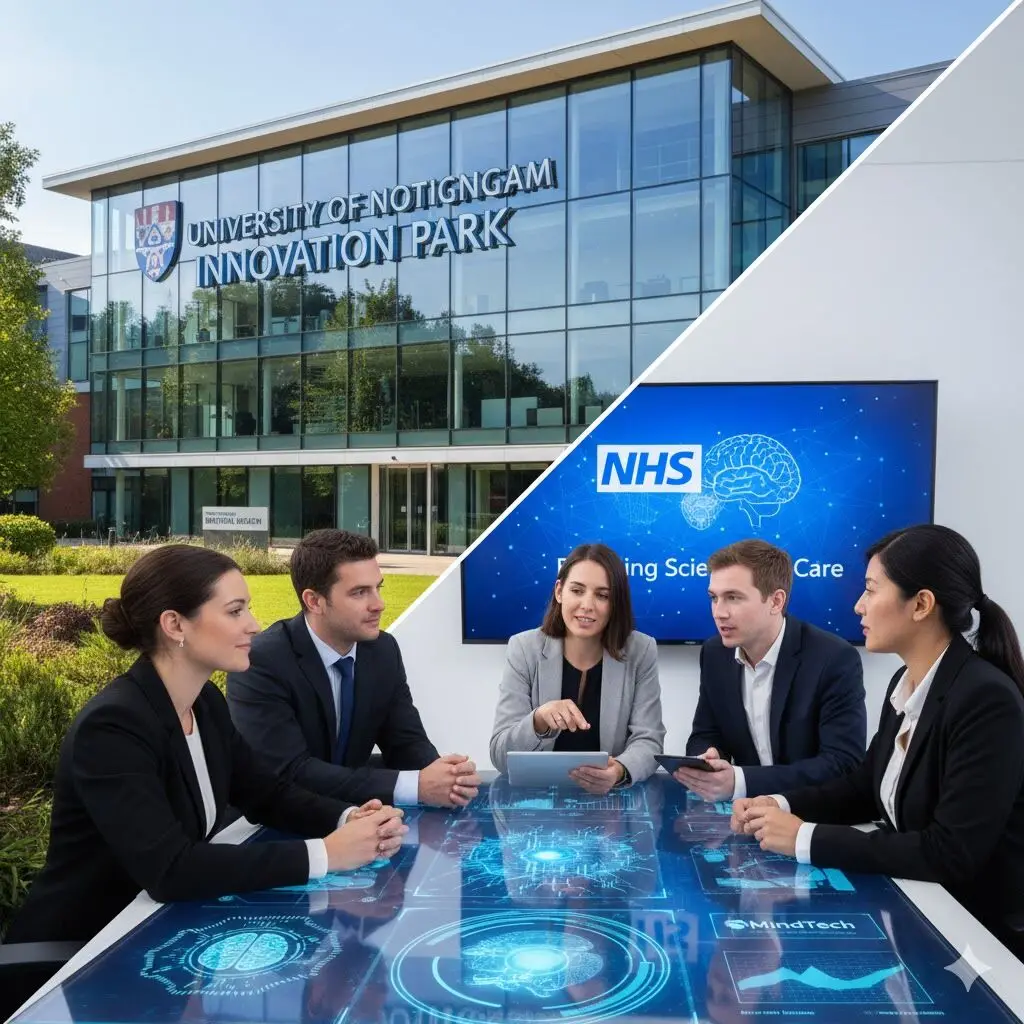
In the heart of Nottingham, a unique powerhouse of innovation is redefining the landscape of psychiatric care and psychological wellbeing. The Institute of Mental Health (IMH), established on September 1, 2006, stands as a premier "Centre of Excellence" in the United Kingdom. As a pioneering partnership between the Nottinghamshire Healthcare NHS Foundation Trust and the University of Nottingham, the IMH serves as a vital conduit between high-level academic research and the frontline of clinical delivery.
Under the leadership of Professor Martin Orrell, the Institute has spent nearly two decades tackling some of the most complex challenges in modern medicine. With a mission to transform the understanding and treatment of mental illness, the IMH has become a global beacon for interdisciplinary research and evidence-based practice.
A Legacy of Partnership and Innovation
The IMH was born from the recognition that scientific discoveries often take too long to reach the patients who need them most. By physically and strategically bringing together the NHS and academia at the University of Nottingham Innovation Park, the Institute eliminated the traditional "ivory tower" barriers.
Today, the IMH manages a staggering research portfolio exceeding £46 million in active grants. This financial backing allows for a diverse range of studies, from the molecular basis of neurodevelopmental disorders to the social impact of loneliness in the elderly.
The Eight Pillars: Specialized Centres of Excellence
The IMH is not a monolithic entity; rather, it is a vibrant ecosystem comprising eight specialized centers, each dedicated to a specific facet of mental health.
1. The Centre for Dementia
Led by world-renowned experts, this center focuses on improving the quality of life for those living with dementia and their caregivers. Their work ranges from early diagnosis techniques to the development of Cognitive Stimulation Therapy (CST), which is now a standard recommendation in NICE guidelines globally.
2. MindTech: Digital Mental Health Innovation
As an NIHR HealthTech Research Centre, MindTech is at the forefront of the digital revolution in healthcare. They evaluate and develop digital therapeutics, online screening tools, and mobile apps designed to make mental health support accessible 24/7.
3. Centre for Social Futures (SoFU)
Focusing on the "Health Humanities," SoFU explores how society, culture, and the arts influence mental health. Their research emphasizes that recovery is not just a clinical process but a social one, involving community integration and the reduction of stigma.
4. Centre for ADHD and Neurodevelopmental Disorders (CANDAL)
CANDAL bridges the gap between childhood and adult services for neurodiverse individuals. Their research into ADHD, Tourette’s, and Autism helps clinicians provide continuous, life-long support.
5. Forensic Mental Health
The IMH is a leader in forensic psychiatry, investigating the intersection of mental health and the criminal justice system. Their work informs policy on how to treat and rehabilitate offenders with complex mental health needs safely and compassionately.
6. Translational Neuroscience
This center looks "under the hood" of the human brain. Using advanced neuroimaging at the University of Nottingham, researchers study the biological markers of mental illness to develop more targeted pharmacological treatments.
7. Centre for Mental Health and Human Rights
A designated World Health Organization (WHO) Collaborating Centre, this group advocates for the rights of people with disabilities and mental health conditions, ensuring that international standards of care are upheld and improved.
8. Mood Disorders and Wellbeing
Focusing on depression and bipolar disorder, this center evaluates new psychological therapies and medical interventions to help individuals manage long-term mood conditions.
Beyond Research: Services and Professional Impact
While research is the engine of the IMH, its output manifests in practical services that benefit the wider healthcare community:
Clinical Consultancy: The IMH provides bespoke evaluation for health services, helping NHS trusts and private providers optimize their care pathways.
Professional Training & CPD: The Institute is a hub for Continuing Professional Development. They offer advanced training for psychiatrists, nurses, and social workers, ensuring the workforce is skilled in the latest evidence-based techniques.
Public Involvement (PPI): A cornerstone of the IMH value proposition is its commitment to "lived experience." The Public Involvement Hub ensures that service users and carers are co-designers of research projects, not just subjects of study.
Impact on the UK Landscape
The IMH’s influence radiates far beyond its 50-mile local service radius. By hosting national entities like the Cochrane Schizophrenia Group and collaborating with the NIHR Applied Research Collaboration (ARC) East Midlands, the Institute shapes national policy and international clinical guidelines.
With a dedicated team of 100–250 staff members—ranging from data scientists to clinical psychologists—the IMH remains a vital asset to the UK’s medical infrastructure. Whether it is through a breakthrough in digital therapeutics or a new social intervention for dementia, the Institute of Mental Health continues to prove that when academia and the NHS work hand-in-hand, the possibilities for healing are infinite.
Frequently Asked Questions
1. What is the main goal of the Institute of Mental Health (IMH)?
The IMH aims to bridge the gap between academic research and clinical practice, ensuring that new scientific discoveries are quickly translated into better treatments and care for people with mental health conditions.
2. Is the IMH part of the NHS or a University?
It is a unique partnership between both. It brings together the clinical expertise of the Nottinghamshire Healthcare NHS Foundation Trust and the academic excellence of the University of Nottingham.
3. Can I access mental health treatment directly at the IMH?
The IMH is primarily a research and education facility. While it influences clinical practice and hosts specialized labs, direct patient crisis or primary care services are usually managed through the Nottinghamshire Healthcare NHS Foundation Trust.
4. What is "MindTech"?
MindTech is a specialized national center within the IMH that focuses on "HealthTech." It explores how technology—like apps, wearable devices, and online platforms—can be used to diagnose and treat mental health issues.
5. How is the IMH funded?
The Institute manages over £46 million in grants from bodies like the National Institute for Health and Care Research (NIHR), UKRI, and various medical charities.
6. Does the IMH offer training for healthcare professionals?
Yes. The IMH provides a wide range of professional training, including CPD (Continuing Professional Development) courses, workshops, and academic seminars for those working in the mental health sector.
7. Who leads the Institute of Mental Health?
The Institute is led by Professor Martin Orrell, who serves as the Director and is a renowned expert in ageing and dementia research.
8. Can members of the public get involved in research?
Absolutely. The IMH has a strong Patient and Public Involvement (PPI) program that encourages individuals with lived experience of mental health issues to help shape and guide research projects.
9. Where is the IMH located?
It is located at the University of Nottingham Innovation Park, Jubilee Campus, on Triumph Road in Nottingham, UK.
10. What are the core "Centres of Excellence" at the IMH?
There are eight centers focusing on specialized areas including Dementia, Social Futures, Neurodevelopmental Disorders (ADHD/Autism), Forensic Mental Health, and Digital Mental Health.
Contact Information: * Phone: +44 115 823 1294
Email: IMH@nottshc.nhs.uk
Website: https://institutemh.org.uk
Nottingham
13 Views
Article Posting
Sign In to Submit Your Content

Educational Services
Apr 06, 2026
Advancing Legal Pedagogy: Definitive Guide to the Association of Law Teachers
In the rapidly evolving landscape of global jurisprudence and higher education, the role of the legal educator has never been more critical. As the bridge between complex legal theory and the high-stakes reality of professional practice, law teachers bear the responsibility of shaping the next generation of advocates, judges, and legal scholars. At the heart of this mission in the United Kingdom and beyond stands the Association of Law Teachers (ALT).
Founded in 1965, the ALT has spent over half a century establishing itself as the premier professional organization dedicated to the advancement of legal education. Whether you are an early-career academic navigating the complexities of the Solicitors Qualifying Examination (SQE) or a seasoned researcher exploring the nuances of clinical legal education, the ALT provides the infrastructure, community, and scholarly platform necessary to thrive.
A Legacy of Excellence: The History of the ALT
The story of the ALT began in a period of significant expansion for legal studies in the UK. Originally formed by a collective of forward-thinking academics, the association was created to provide a unified voice for those teaching law outside the traditional "Old Universities"—focusing initially on polytechnics and further education colleges.
However, as the distinction between these institutions dissolved and the demand for rigorous legal pedagogy grew, the ALT’s influence expanded. Today, it is a registered UK charity (No: 1208246) and an approved professional organization by HMRC. Headquartered in London at The City Law School, City St George’s University of London, it remains governed by a voluntary Executive Committee that reflects the diverse interests of the legal academic community.
The Pillars of Professional Membership
Membership in the ALT is more than just a line on a CV; it is an entry point into a vibrant ecosystem of peer support and professional development. The association caters to a global membership, acknowledging that while its administrative roots are in London, the challenges of legal pedagogy—such as the integration of Generative AI or the diversification of the curriculum—are universal.
Networking and Collaborative Hubs
One of the most significant benefits of joining the ALT is the access to a network of like-minded professionals. Through member discussion lists and regional workshops, educators can share resources, troubleshoot pedagogical hurdles, and collaborate on multi-institutional research projects. This "peer-to-peer mentoring" is a core amenity, ensuring that no law teacher feels isolated in their practice.
The Law Teacher: The International Journal of Legal Education
Scholarly exchange is the lifeblood of the ALT. Members receive access to The Law Teacher: The International Journal of Legal Education. This peer-reviewed journal is a cornerstone of the discipline, showcasing cutting-edge research into how law is taught, learned, and assessed. It moves beyond substantive law to explore the "how" and "why" of legal training, making it an essential resource for those looking to publish high-impact pedagogical research.
The ALT Annual Conference: A Flagship Event
Every year, the ALT hosts its Annual Conference, a rotating event that brings together hundreds of educators from across the globe. The conference is renowned for its welcoming atmosphere, making it a favorite for both established professors and doctoral students.
The Stan Marsh Research Awards
The late Stan Marsh was a towering figure in the ALT, and his legacy lives on through the Stan Marsh Best Paper Prize and the Stan Marsh Best Poster Prize. These awards recognize excellence in conference contributions, encouraging delegates to present their findings with clarity, innovation, and engagement. For many, winning a Stan Marsh award is a pivotal moment in their academic career.
Funding Innovation: The ALT Grants Scheme
The ALT understands that innovation requires resources. The ALT Grants Scheme provides vital funding for research projects that seek to improve the quality of legal education. Whether it is a study on the impact of the SQE on social mobility or the development of new simulations for clinical legal education, these grants empower members to conduct empirical and theoretical work that might otherwise lack financial backing.
Navigating the SQE and Modern Challenges
The introduction of the Solicitors Qualifying Examination (SQE) has represented one of the biggest shifts in UK legal education history. The ALT has been at the forefront of this transition, providing a forum for researchers to analyze the SQE’s impact on university curricula and student outcomes.
By specializing in areas like Legal Pedagogy, Clinical Legal Education, and Academic Career Development, the ALT ensures that its members are not just reacting to policy changes but actively shaping the conversation.
Clinical Legal Education and Practical Skills
The "law school of the future" is increasingly focused on experiential learning. The ALT supports the growth of law clinics and pro bono initiatives through its dedicated workshops and journal articles. By bridging the gap between the classroom and the courtroom, the association helps teachers equip students with the practical skills required by modern law firms.
Why the ALT Matters in the 21st Century
In an era of "student as consumer" and the digital transformation of higher education, the ALT provides a stabilizing influence. It advocates for the value of the teaching-focused academic, ensuring that pedagogical excellence is afforded the same prestige as traditional legal research.
Specialized Amenities for Members
Online Research Archive: Access decades of pedagogical insights.
Professional Awards: Recognition for excellence in teaching that can bolster promotion applications.
Global Service Area: While London-based, the association supports members from Australia to Nigeria, fostering a truly international perspective on law.
Joining the Future of Law
The Association of Law Teachers remains a vital institution because it is built on the passion of its members. It is a community that believes law is not just a set of rules to be memorized, but a craft to be taught with care, innovation, and ethical integrity.
Whether you are looking to secure a research grant, stay updated on the latest pedagogical trends via The Law Teacher, or simply find a community of colleagues who understand the unique pressures of the legal academy, the ALT is your professional home.
Frequently Asked Questions
1. Who can join the Association of Law Teachers?
Membership is open to anyone involved in the teaching of law at any level, including universities, colleges, and schools. While it is based in the UK, the ALT welcomes international members, including practitioners and researchers interested in legal pedagogy.
2. What is "The Law Teacher" journal?
It is a premier, peer-reviewed international journal focused exclusively on the teaching of law and legal education policy. It is published by Taylor & Francis on behalf of the ALT and is a key benefit of membership.
3. How do I apply for an ALT Research Grant?
The ALT Grants Scheme typically opens for applications annually. Members can submit proposals for research projects that contribute to the field of legal education. Details and application forms are provided on the official website: lawteacher.ac.uk.
4. What are the Stan Marsh Prizes?
Named in honor of a former ALT President, these prizes are awarded at the Annual Conference for the "Best Paper" and "Best Poster." They recognize outstanding research and presentation skills among conference delegates.
5. Does the ALT provide support for the SQE?
Yes. The ALT actively facilitates research and discussion regarding the Solicitors Qualifying Examination (SQE). Members share insights on curriculum redesign and the pedagogical implications of the new assessment regime.
6. Where is the ALT headquartered?
The physical address is The City Law School, City St George’s University of London, Sebastian Street, London, EC1V 0HB. It is located near Northampton Square.
7. What payment methods are accepted for membership?
The ALT accepts Bank Transfers (BACS), Credit/Debit cards via their secure online portal, and corporate invoicing for institutional memberships.
8. Is the ALT a registered charity?
Yes, the Association of Law Teachers is a registered UK Charity (Charity Commission Number: 1208246).
9. What are the benefits for early-career academics?
The ALT offers peer-to-peer mentoring, specific workshops for career development, and "First Attendance" bursaries for the Annual Conference to help newer teachers integrate into the community.
10. How can I contact the ALT helpdesk?
You can reach the ALT administrative team via email at assoclawteachers@gmail.com or by phone at +44 (0)114 222 6755 during working hours (Monday–Friday, 9:00 AM – 5:00 PM).
Nottingham
4 Views
Educational Services
Apr 06, 2026
Nottingham Trent University: Reimagining Higher Education
Nottingham Trent University (NTU) is not just a place of learning; it is a catalyst for change. As the 6th largest university in the United Kingdom, NTU has consistently broken the mold of traditional academia to create a "University, Reimagined." With a heritage dating back to 1843, it has evolved from the Nottingham Government School of Design into a global powerhouse of research, innovation, and experiential learning.
Whether you are a prospective student seeking a degree that guarantees a career, or a researcher looking for world-class facilities, NTU offers an environment where ambition meets opportunity.
A Legacy of Innovation (1843 – Present)
The story of NTU began in the mid-19th century, rooted in the industrial heart of England.
1843: Founded as the Nottingham Government School of Design.
1970: Transformed into Trent Polytechnic.
1992: Granted full university status as Nottingham Trent University. Today, led by Vice-Chancellor Professor Edward Peck, the university remains committed to its founding principle: providing education that serves both the individual and the industry.
Academic Excellence and Specialized Schools
NTU is structured around several world-renowned schools, each offering specialized expertise and professional-standard facilities.
1. Nottingham Business School (NBS)
Holding the prestigious "Triple Crown" accreditation (AACSB, EQUIS, and AMBA), NBS is in the top 1% of business schools globally. It focuses on personalized learning and high-impact industry engagement.
2. Nottingham Law School (NLS)
One of the UK’s largest and most established law schools. It features an on-campus teaching law firm, allowing students to work on real-life legal cases under professional supervision.
3. Nottingham School of Art & Design
Building on the university's 180-year creative heritage, this school is a hub for fashion, fine art, and visual communications. The new Design & Digital Arts building (opening 2024/25) provides cutting-edge technology for the next generation of creatives.
4. Confetti Institute of Creative Technologies
A specialist provider focusing on music, gaming, media, and live events. Confetti offers students access to commercial-grade studios and direct links to the entertainment industry.
Unrivaled Employability: The NTU Promise
NTU has been voted 1st in the UK for Employability (Uni Compare 2025). This success is driven by a simple but powerful mandate: Every single undergraduate course includes work-based experience.
Industry Partnerships
With over 2,000 active partnerships, NTU connects students with global giants like:
Microsoft
Experian
Rolls-Royce
The BBC
Nike
Degree Apprenticeships
NTU is a leader in degree apprenticeships, allowing students to earn while they learn, bridging the gap between academic theory and workplace practice.
Five Unique Campuses
NTU’s facilities are spread across five distinct locations, each tailored to specific disciplines:
City Campus: Located in the heart of Nottingham, home to Business, Law, and Social Sciences. Features the iconic Newton and Arkwright buildings.
Clifton Campus: A self-contained student village four miles south of the city, focusing on Science, Technology, and Sport.
Brackenhurst Campus: A 200-hectare countryside estate for Animal, Rural, and Environmental Sciences.
Confetti Campus: The creative technology hub in Nottingham’s Cultural Quarter.
Mansfield Hub: Providing access to higher education for the local community in North Nottinghamshire.
Sustainability and Global Impact
NTU is officially the 2nd most sustainable university in the world (UI GreenMetric 2024). The university has pledged to become Net Zero Carbon by 2040. Research themes focus on:
Sustainable Futures
Health and Well-being
Safety and Security
Digital and Technology
Student Life: Vibrant, Inclusive, and Award-Winning
Voted 2nd in the UK for Student Life, the NTU experience extends far beyond the classroom.
Societies: 130+ student-led groups ranging from K-Pop to knitting.
Sports: Over 50 sports clubs and the "Sports University of the Year" title (Daily Mail 2026).
The City: Nottingham is a Top 10 UK student city, known for its affordable cost of living and legendary nightlife.
Essential Contact Information
Address: 50 Shakespeare Street, Nottingham, NG1 4FQ, UK
Phone: +44 (0) 115 941 8418
Email: enquiries@ntu.ac.uk
Website: www.ntu.ac.uk
Frequently Asked Questions
1. Is Nottingham Trent a good university?
Yes, NTU is a top-rated UK university. It holds TEF Gold for teaching excellence and has been named "University of the Year" multiple times by major publications like The Times and The Guardian.
2. What is NTU's ranking for employability?
NTU is ranked 1st in the UK for employability as voted for by students in the Uni Compare 2025 rankings.
3. Does every course at NTU offer work experience?
Yes. Every undergraduate degree at NTU includes a minimum of 8 weeks of assessed work-like experience, such as a placement, professional project, or volunteering.
4. What are the "Triple Crown" accreditations for the Business School?
The Nottingham Business School is accredited by AACSB, EQUIS, and AMBA, putting it in the elite top 1% of business schools worldwide.
5. How many campuses does NTU have?
NTU has five main locations: City Campus, Clifton Campus, Brackenhurst Campus, Confetti (Nottingham), and the Mansfield hub.
6. Is Nottingham an affordable city for students?
Yes, Nottingham is frequently cited as one of the most cost-effective student cities in the UK, with the Midlands being an affordable region for living expenses.
7. Can international students get support at NTU?
Absolutely. The International Student Support team provides assistance in over 50 languages and offers guidance on visas, finance, and integration.
8. What is "Confetti" at NTU?
Confetti is a specialist institute within NTU focused on creative technologies, including gaming, music production, and film/TV.
9. What is the "University, Reimagined" strategy?
It is NTU's vision for 2025 and beyond, focusing on social mobility, sustainable development, and creating a global impact through interdisciplinary research.
10. How do I apply to Nottingham Trent University?
Undergraduate applications are typically made through UCAS, while postgraduate applications can be made directly via the NTU website's online application portal.
Nottingham
14 Views

Educational Services
Apr 04, 2026
HMC Teacher Training : Elite Pathway to Educational Excellence
In the landscape of British education, the initials "HMC" carry a weight of historical prestige and a reputation for contemporary excellence. The Heads’ Conference (HMC), established in 1869 by the visionary Rev. Edward Thring, has long been the gold standard for independent schooling. However, HMC’s impact extends far beyond the classroom; it is the driving force behind HMC Teacher Training, a premier professional development initiative designed to recruit, train, and retain the next generation of world-class educators.
For high-caliber graduates and career-changers, HMC Teacher Training offers more than just a job; it provides an immersive, school-based pathway into the teaching profession. By combining rigorous academic theory with hands-on practice in some of the UK’s most prestigious educational environments, the program ensures that new educators are not just prepared for the classroom, but are equipped to lead it.
The Dual-Track Approach: Academic Rigor Meets Classroom Mastery
What sets HMC Teacher Training apart from traditional PGCE routes is its unique "dual-track" value proposition. This approach ensures that trainees receive a balanced, holistic preparation for a career in education.
1. High-Quality Initial Teacher Training (ITT)
The core of the program is the journey toward Qualified Teacher Status (QTS). Through partnerships with Department for Education (DfE) accredited providers, HMC offers a robust Initial Teacher Training route. Unlike university-led programs where school placements can sometimes feel like guest appearances, HMC trainees are integral members of their school communities from day one.
2. Unparalleled Mentorship and Peer Networking
Subject expertise is only half the battle. Classroom mastery requires the nuance of pastoral care, co-curricular engagement, and leadership. Every HMC trainee is paired with an expert practitioner—a mentor who provides daily support, feedback, and psychological safety. Furthermore, being part of the HMC network grants access to a peer group of like-minded professionals, fostering a lifelong community of practice.
Why Choose HMC Schools for Your Teaching Career?
HMC schools are world-renowned for their academic results, but their true value lies in the "holistic" education they provide. For a teacher, this environment offers several distinct advantages:
Specialist Subject Focus
In HMC schools, there is a profound respect for subject-specific expertise. Whether you are a scientist, a linguist, or a historian, you are encouraged to teach with passion and depth. The curriculum flexibility in independent schools allows teachers to go beyond the confines of the national curriculum, exploring topics that truly inspire their students.
Manageable Class Sizes and Personalized Learning
With lower student-to-teacher ratios, HMC educators have the luxury of time. This allows for a personalized approach where you can identify a student's unique strengths and learning styles, resulting in a more rewarding teaching experience and superior student outcomes.
Exceptional Facilities and Resources
From state-of-the-art laboratories and Olympic-sized sports complexes to professional-grade theaters, HMC schools provide the "tools of the trade" that allow teachers to innovate. When resources are not a constraint, the only limit is your imagination.
From ITT to Senior Leadership: A Lifetime of Growth
The HMC journey does not end with QTS. One of the most significant benefits of this initiative is the focus on Professional Development (PD) throughout a teacher’s entire career.
Early Career Framework (ECF) and NQT Support
The transition from trainee to Newly Qualified Teacher (NQT) or Early Career Teacher (ECT) is a critical phase. HMC provides structured support during these first two years, ensuring that the "induction" period is a time of growth rather than survival.
Middle and Senior Leadership Development
As your career progresses, HMC Professional Development offers tailored pathways for those looking to move into leadership. Whether you aspire to be a Head of Department, a Housemaster/mistress, or a Headteacher, the HMC PD service provides highly contextualized training, including:
Middle Leadership Development Programs
Senior Leader Conferences
Executive and Leadership Coaching
Pastoral Care Specializations
The Legacy of Rev. Edward Thring: Innovation Since 1869
While the HMC Teacher Training initiatives have been formalized subsequently to meet modern standards, the spirit of the organization remains rooted in the philosophy of its founder, Rev. Edward Thring of Uppingham School. Thring believed that education was not just about imparting facts but about "the transmission of life."
Today, that legacy is carried forward by the central staff at the HMC headquarters in Market Harborough. Serving as the administrative and strategic hub, the Market Harborough office coordinates regional support networks and oversees the global community of heads and educators.
Specialized Training for a Specialized Environment
Teaching in an HMC school requires a unique set of skills. The program offers specialized training in:
Independent School Pedagogy: Understanding the nuances of high-expectation environments.
Pastoral Care & Boarding: Preparing teachers for the 24/7 nature of boarding school life, where student welfare is paramount.
Co-Curricular Excellence: Training educators to lead sports, music, drama, and outdoor pursuits.
How to Apply: Starting Your Journey
HMC Teacher Training seeks graduates with a strong honors degree and a genuine passion for their subject. The application process is rigorous, involving school placements and interviews designed to find the "best fit" between trainee and institution.
Contact Information:
Website: www.hmcpd.org.uk
Email: pd@hmc.org.uk / info@hmc.org.uk
Phone: +44 (0) 1858 469059
Address: 12 The Point, Rockingham Road, Market Harborough, LE16 7QU, UK.
Frequently Asked Questions
1. Do I need a teaching qualification to apply for HMC Teacher Training?
No. The program is specifically designed to provide you with the training and experience necessary to achieve Qualified Teacher Status (QTS). We welcome high-caliber graduates and career-changers who do not yet have a formal teaching qualification.
2. What is the difference between HMC and other ITT routes?
While many routes lead to QTS, HMC offers a school-centered approach within the UK’s leading independent schools. This provides unique opportunities for mentorship, access to world-class facilities, and a focus on holistic education (pastoral care and co-curricular) that is rarely found in other programs.
3. Is the training salaried? Many HMC schools offer salaried training positions, though this varies by school. Some routes may require tuition fees, which are often offset by bursaries or scholarships, particularly in high-demand subjects like STEM.
4. Where is the training located?
While our administrative headquarters is in Market Harborough, HMC schools are located nationwide and even internationally. Placements are made within individual HMC member schools across the UK.
5. What subjects are prioritized?
We recruit across all academic disciplines, with a strong focus on core subjects such as Mathematics, Sciences, English, and Modern Foreign Languages. However, there are also opportunities in the Arts, Humanities, and Physical Education.
6. Does HMC support career progression after the first year?
Absolutely. HMC is committed to lifelong professional development. We offer programs for Early Career Teachers (ECTs), middle leadership, and senior management, ensuring a clear pathway to headship.
7. Are HMC schools only for academic "elites"?
While HMC schools maintain high academic standards, they are committed to inclusivity and diversity. Many schools offer significant bursaries and scholarships to ensure that students from all backgrounds can benefit from an HMC education.
8. What is the role of the mentor?
Your mentor is an experienced teacher in your placement school who provides daily guidance, observes your lessons, and helps you reflect on your practice. They are your primary point of support throughout your training year.
9. Can I train if I am a career changer?
Yes! We highly value the subject expertise and life experience that career changers bring to the classroom. Our program is tailored to help you translate your professional skills into effective teaching.
10. How do I start the application process?
The best way to start is by visiting our website at www.hmcpd.org.uk to view current vacancies and learn more about our specific ITT pathways. You can also contact our helpdesk at +44 (0) 1858 469059.
Leicester
7 Views
Educational Services
Apr 04, 2026
De Montfort University : The Empowering Institution
De Montfort University (DMU) is a dynamic, globally-oriented institution with a history dating back to 1870. Based in the heart of Leicester, DMU is defined by its mission to empower students, staff, and the community to create a fairer, more sustainable society. The university is organized into four key faculties—Business and Law; Computing, Engineering and Media; Health and Life Sciences; and Arts, Design and Humanities—offering a diverse range of undergraduate and postgraduate programs.
DMU’s value proposition is centered on "The Empowering University" strategy, which prioritizes employability, social impact, and digital transformation. It is the only UK university designated as a Global Hub for the United Nations’ Sustainable Development Goal 16 (Peace, Justice, and Strong Institutions). With a Gold rating in the Teaching Excellence Framework (TEF) and a QS 5-star "Excellent" rating, DMU provides students with industry-aligned learning, state-of-the-art facilities like the Bloomberg Trading Floor, and lifelong career support through the DMUforLife network.
Historical Foundation and Growth
Originally founded as the Leicester School of Art, the institution has undergone several transformations before achieving university status in 1992. Named after Simon de Montfort, Earl of Leicester, the university maintains deep roots in the local community while expanding its reach across the globe. Today, with over 2,600 employees and a student population exceeding 27,000, DMU stands as a titan of higher education in the East Midlands.
The Faculty Structure: Excellence Across Disciplines
1. Faculty of Business and Law (BAL)
The Faculty of Business and Law is a powerhouse of professional education. Home to the Leicester Castle Business School, it offers students a premium environment for learning.
Bloomberg Trading Floor: Students gain real-world experience using the same professional software used by financial analysts and traders worldwide.
Specializations: Business Entrepreneurship, Accounting, and Law.
2. Faculty of Computing, Engineering and Media (CEM)
This faculty is at the forefront of the digital revolution. DMU is recognized as a leader in technical education, particularly in niches that define the modern economy.
Cyber Security: DMU is home to a dedicated Cyber Security Centre, recognized for its excellence in research and training.
Artificial Intelligence: Consistently ranked among the UK’s top 10 universities for AI research impact.
3. Faculty of Health and Life Sciences (H&LS)
Focusing on the well-being of society, this faculty combines rigorous academic study with practical placements.
Facilities: Advanced healthcare labs and simulated clinical environments.
Impact: Research addressing real-world challenges in advanced healthcare and sustainable engineering.
4. Faculty of Arts, Design and Humanities (ADH)
The university’s heritage in art and design remains a cornerstone of its identity.
Vijay Patel Building: An award-winning facility that serves as a hub for creativity, housing state-of-the-art studios for fashion, architecture, and fine arts.
Fashion & Textiles: DMU is world-renowned for its fashion programs, frequently appearing on global catwalks and winning prestigious industry awards.
Global Impact and Sustainable Development
DMU’s commitment to social justice is not just a slogan—it is embedded in its DNA. As the only UK university to lead a UN SDG Hub, DMU facilitates international dialogue on peace and justice. This global outlook is further strengthened by DMU Global, an initiative that provides students with international experiences, and DMU Dubai, extending the university’s high-quality education to the Middle East.
Student Life and Campus Amenities
The DMU campus is a blend of historic landmarks and modern architecture.
Kimberlin Library: Providing 24/7 access to resources for students.
The Watershed Sports Centre: Encouraging physical well-being through diverse athletic programs.
Safety: 24/7 campus security ensures a safe learning environment for all.
Career Support: DMU Works
The "DMU Works" team offers personalized career support, connecting students with top-tier employers. With a high focus on graduate outcomes, DMU ensures that its students are not just degree-holders but "career-ready" individuals. The DMUforLife network provides alumni with lifelong access to career services, networking events, and professional development.
Business Information At A Glance
Business Name: De Montfort University (DMU)
Headquarter: Leicester, Leicestershire, United Kingdom
Phone Number: +44 (0) 116 255 1551
Helpdesk: +44 (0) 116 257 7595 (Student Gateway)
Website: https://www.dmu.ac.uk
Physical Address: The Gateway, Leicester, LE1 9BH, UK
Accepted Payment Methods: Bank Transfer, Credit/Debit Cards, Flywire, Sponsorship.
Frequently Asked Questions
1. What is De Montfort University (DMU) best known for?
DMU is world-renowned for its Fashion and Textiles, Cyber Security, and Architecture programs. It is also famous for its commitment to the UN Sustainable Development Goals.
2. Does DMU offer support for international students?
Yes, DMU provides extensive support including the Student Gateway, international exchange programs, and the Flywire payment system for easy tuition transfers.
3. What is the TEF rating of DMU?
De Montfort University holds a Gold rating in the Teaching Excellence Framework (TEF), the highest possible accolade for teaching quality in the UK.
4. Where is the main campus located?
The main campus is located in the heart of Leicester city centre, United Kingdom, near the historic Leicester Castle and Magazine Gateway.
5. Are there facilities for 24/7 study?
Yes, the Kimberlin Library and campus security operate 24/7 to support student learning and safety.
6. Can I study at DMU outside the UK?
Yes, DMU has a significant presence in Dubai (DMU Dubai) and offers various distance learning and international exchange opportunities.
7. What are the faculties at DMU?
There are four main faculties: Business and Law; Computing, Engineering and Media; Health and Life Sciences; and Arts, Design and Humanities.
8. How does DMU support graduate careers?
Through the "DMU Works" initiative, which provides internships, industry placements, and the "DMUforLife" alumni network for lifelong support.
9. Is DMU involved in research?
Absolutely. DMU is a leading research institution focusing on sustainable engineering, AI, cybersecurity, and advanced healthcare.
10. What are the working hours for the university helpdesk?
General enquiries are handled Monday to Friday, 9 AM to 5 PM, while student-specific services like the library are accessible 24/7.
De Montfort University is more than just a place of learning; it is a catalyst for change. By combining historical prestige with modern innovation, DMU empowers its diverse student body to excel in a competitive global landscape while contributing to a fairer society. Whether you are looking for a career in Artificial Intelligence or Fashion Design, DMU provides the tools, the network, and the inspiration to succeed.
Leicester
4 Views
Article Posting
Contact us today and let us help you grow your business.
Share This Page
My Page
Scan QR to open
Barcode