
Educational Services Articles
Explore 93 business insights in all locations
Educational Services
Apr 04, 2026
Global Leaders in Lung Health: The ERS Mission
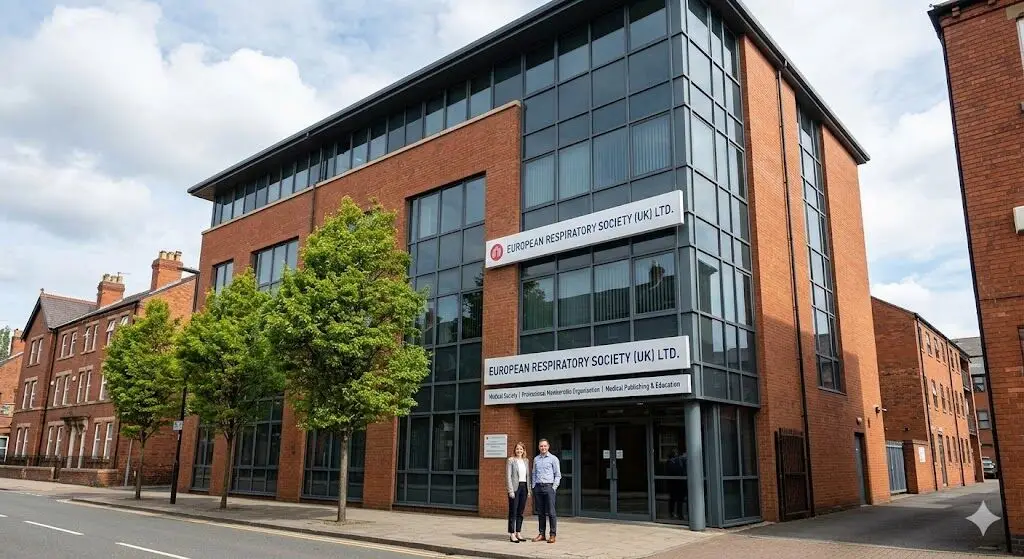
The European Respiratory Society (ERS) stands as a titan in the global medical landscape. As a non-profit professional organization, it serves as the primary hub for physicians, healthcare professionals, and scientists dedicated to the vast and vital field of respiratory medicine. Since its inception in 1990, the ERS has grown from a regional collaboration into a global powerhouse, representing over 35,000 members across 160 countries.
Headquartered in Sheffield, United Kingdom, with an international administrative base in Lausanne, Switzerland, the ERS bridges the gap between laboratory research and bedside clinical practice. Its mission is clear and unwavering: to promote lung health to alleviate suffering from disease and drive standards for respiratory medicine globally.
A Legacy Built on Unity: The History of ERS
The ERS was born from the strategic merger of two prestigious scientific entities: the European Society of Pneumology and the European Society of Clinical Respiratory Physiology. This unification, championed by figures like the late President Stewart Clark, created a singular, powerful voice for lung health in Europe and beyond. Today, it operates as a registered charity and a leading authority in pulmonology.
The Three Pillars of ERS: Science, Education, and Advocacy
The ERS operates on a tripartite value proposition that ensures comprehensive support for the medical community and the public.
1. Science: Pushing the Boundaries of Research
At its core, the ERS is a scientific engine. It facilitates groundbreaking research through its various assemblies and working groups. By funding fellowships and grants, the society ensures that the next generation of researchers has the resources to tackle chronic obstructive pulmonary disease (COPD), asthma, cystic fibrosis, and emerging threats like respiratory viruses.
2. Education: The ERS School
Education is the lifeblood of the society. Through the ERS School, the organization provides:
Professional Certifications: Standardizing excellence in clinical practice.
CME Accreditation: Ensuring practitioners stay at the cutting edge of medical knowledge.
Digital Learning Academy: Providing 24/7 access to webinars, case studies, and technical modules.
3. Advocacy: A Voice for the Vulnerable
The ERS does not just stay in the clinic; it enters the halls of government. Through its advocacy arm, the society influences policy regarding:
Tobacco Control: Aggressive campaigning for smoke-free environments.
Air Quality: Collaborating with the World Health Organization (WHO) to reduce pollutants.
Climate Change: Highlighting the direct link between planetary health and respiratory wellness.
World-Class Medical Publishing
The ERS is perhaps best known to the global scientific community for its high-impact publications. These journals are the gold standard for peer-reviewed respiratory research.
European Respiratory Journal (ERJ): The flagship publication featuring high-quality original clinical and biological research.
ERJ Open Research: An open-access platform for innovative studies.
European Respiratory Review: Providing state-of-the-art updates on clinical medicine.
Breathe: An educational journal designed for professionals and trainees.
The ERS International Congress: The World’s Largest Respiratory Meeting
Each year, the ERS hosts the ERS International Congress, a massive event that draws tens of thousands of delegates. It is a melting pot of innovation where:
New clinical practice guidelines are unveiled.
Late-breaking clinical trials are presented.
Experts from diverse fields—from sleep medicine to thoracic oncology—collaborate on multidisciplinary solutions.
Bridging the Gap: The European Lung Foundation (ELF)
The ERS recognizes that patients are the ultimate stakeholders. Through the European Lung Foundation (ELF), the society translates complex medical data into accessible information for the public. The ELF ensures that patient voices are heard in the development of clinical guidelines and research priorities, fostering a truly patient-centered approach to healthcare.
Specializations and Clinical Impact
The ERS provides specialized resources across various "Assemblies," including:
Pulmonology & Internal Medicine: Managing chronic lung conditions.
Sleep Medicine: Addressing apnea and sleep-disordered breathing.
Paediatric Respiratory Health: Focused on the unique needs of children.
Thoracic Oncology: Combating lung cancer through early detection and novel therapies.
Intensive Care: Advanced management of acute respiratory failure.
Contact and Membership Information
For professionals looking to join this elite community, the ERS offers a range of member-exclusive benefits, including resource libraries, grant opportunities, and discounted congress registration.
Physical Address: 442 Glossop Road, Sheffield, South Yorkshire, S10 2PX, UK.
Phone: 0114 267 2860
Email: info@ersnet.org | journals@ersnet.org
Website: www.ersnet.org
Working Hours: Monday–Friday, 9:00 AM – 5:30 PM.
Frequently Asked Questions
1. What is the European Respiratory Society (ERS)?
The ERS is an international professional organization dedicated to respiratory medicine, bringing together physicians, scientists, and healthcare providers to improve lung health globally.
2. Where is the ERS headquartered?
The UK headquarters is in Sheffield (near the University of Sheffield), while the international administrative headquarters is located in Lausanne, Switzerland.
3. How can I become a member of ERS?
Medical professionals can join through the official membership portal on the ERS website. Membership offers access to journals, educational resources, and networking opportunities.
4. What is the ERS International Congress?
It is the largest annual meeting in the respiratory field worldwide, where experts share the latest research, clinical trials, and medical guidelines.
5. Does ERS provide resources for patients?
Yes, via the European Lung Foundation (ELF), which provides public-friendly information on lung conditions and involves patients in advocacy and research.
6. What are the flagship journals of the ERS?
The primary publications include the European Respiratory Journal (ERJ), ERJ Open Research, and the European Respiratory Review.
7. Is the ERS a registered charity?
Yes, it is a registered charity in England and Wales (No. 1036260) and an accredited provider of Continuing Medical Education (CME).
8. What topics does ERS advocacy cover?
The ERS advocates for tobacco control, improved air quality, climate change awareness, and increased funding for respiratory research.
9. Can I access ERS educational materials online?
Yes, the ERS Digital Learning Academy and the Respiratory Channel offer a wide array of webinars and online courses for professional development.
10. How does ERS support early-career researchers?
ERS provides numerous fellowships, grants, and dedicated "Early Career Member" programs to help young professionals advance in the field of pulmonology.
Sheffield
6 Views
Educational Services
Apr 04, 2026
University of Sheffield: A Global Leader in Research & Student Excellence
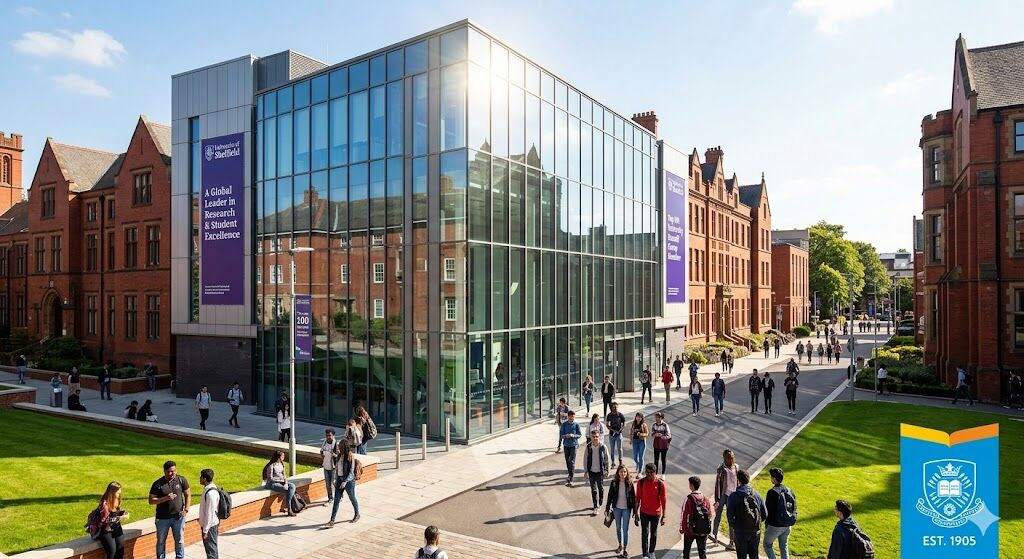
The University of Sheffield stands as a beacon of academic brilliance, consistently ranked among the top 100 universities in the world. As a prominent member of the UK’s prestigious Russell Group, Sheffield has transitioned from its 19th-century industrial roots into a global powerhouse for higher education, world-leading research, and industrial innovation.
Whether you are an aspiring undergraduate, a professional seeking advanced CPD courses, or an industry leader looking for business consultancy, the University of Sheffield offers an ecosystem where "Made in Sheffield" means global impact.
Why Choose the University of Sheffield in 2026?
Choosing a university is about more than just a degree; it is about the experience, the network, and the future career trajectory. In 2026, Sheffield continues to dominate the higher education landscape with several key accolades:
University of the Year for Student Experience: Recognized by The Times and The Sunday Times Good University Guide 2026, Sheffield is celebrated for its unparalleled support and vibrant campus culture.
Top of the Russell Group: For the third consecutive year, the university ranked #1 in the National Student Survey (NSS) for student satisfaction.
Global Research Powerhouse: Home to six Nobel Prize winners, the institution remains at the forefront of life-changing discoveries in medicine, chemistry, and engineering.
The Greenest City in the UK: Located in South Yorkshire, students enjoy a vibrant, multicultural city that is also the gateway to the Peak District National Park.
Faculties and Academic Excellence
The university is structured into six major faculties, each a hub of specialized knowledge and high-impact teaching:
1. Faculty of Engineering
Home to the iconic Diamond Building, this faculty is one of the largest and best-funded in the UK. Specializations include Aerospace Engineering, Sustainable Energy, and Civil Engineering.
2. Faculty of Health
Collaborating closely with the Sheffield Children's Hospital and the NHS, this faculty leads in Biomedical Science and nursing, utilizing state-of-the-art simulation facilities.
3. Faculty of Social Sciences
Ranked 67th globally (THE 2026), it excels in Journalism, International Law, and Architecture.
4. Faculty of Science
From tackling climate change to exploring quantum physics, the Science faculty is a leader in environmental and physical sciences.
5. Faculty of Arts and Humanities
A center for creative thinking, history, and philosophy, fostering ethical leaders for the next generation.
6. The International Faculty
Expanding Sheffield’s reach globally through strategic partnerships and diverse study pathways.
Innovation and Industry: The AMRC Advantage
One of the university's most distinct features is the Advanced Manufacturing Research Centre (AMRC). This world-class cluster bridges the gap between academic theory and industrial application.
In 2026, the AMRC is leading the UK’s supply chain resilience initiatives and the AMRC Scale-up programme, helping deep-tech companies transition from prototypes to global production. For business partners, this provides access to:
Industry 4.0 Technologies: AI-driven manufacturing and IoT integration.
Sustainable Aviation Fuel: Recent breakthroughs in 2026 are paving the way for net-zero flight.
High-Value Apprenticeships: Combining classroom learning with hands-on experience at global firms like Boeing and Rolls-Royce.
The Student Experience: More Than Just a Degree
The University of Sheffield Students’ Union has been voted the best in the UK for nearly a decade. It serves as the heart of campus life, offering:
350+ Student Societies: From Quidditch to Investment Banking.
The Information Commons: A 24/7 library and high-tech study space.
Global Connectivity: With 28,000+ students from 150 countries, Sheffield is officially one of the Top 50 Most International Universities in the world.
Research Impact: Addressing Global Challenges
The university's "One University" strategy ensures that research doesn't stay in the lab. In 2026, significant milestones include:
Gene Therapy Breakthroughs: Solving mysteries in DNA shape to improve gene-editing accuracy.
Low-Field MRI Scanners: Developing accessible lung imaging technology for developing nations.
South Yorkshire Net-Zero: A landmark 2026 report outlining the path to sustainable housing and retrofitting for the region.
Quick Facts & Contact Information
Feature
Details
Founded
1905 (Royal Charter)
Address
Western Bank, Sheffield, S10 2TN, UK
Staff
8,750+
Students
30,000+
Accreditations
Triple Crown (AACSB, AMBA, EQUIS)
Phone
0114 222 2000
Website
sheffield.ac.uk
Frequently Asked Questions
1. Is the University of Sheffield hard to get into?
As a Russell Group institution, entry requirements are competitive. Most courses require high A-level grades or equivalent international qualifications, though they offer various pathways for international and mature students.
2. What is the University of Sheffield ranked in 2026?
The university is consistently in the Top 100 globally (QS World University Rankings 2026) and is ranked 13th in the UK by the Times and Sunday Times Good University Guide.
3. What are the best courses at Sheffield?
While all faculties are strong, Sheffield is world-renowned for Engineering, Biomedical Science, Journalism, and Architecture.
4. How does the AMRC benefit students?
The AMRC provides unique opportunities for apprenticeships, industrial placements, and collaborative research, allowing students to work on real-world problems with companies like McLaren and Airbus.
5. Is Sheffield a safe city for international students?
Yes, Sheffield is known for being one of the safest and friendliest large cities in the UK. The university provides 24/7 campus security and dedicated international student support.
6. Does the university offer scholarships?
Yes, the University of Sheffield offers a range of international scholarships and merit-based awards for both undergraduate and postgraduate students.
7. Can I work while studying?
Students on a standard student visa can typically work up to 20 hours per week during term time. The university's Student Jobshop helps find local part-time roles.
8. What is "Triple Crown" accreditation?
The Management School holds accreditation from AACSB, AMBA, and EQUIS, a distinction held by only a small percentage of business schools globally.
9. How do I apply for a postgraduate course?
Applications for most postgraduate taught courses are made directly through the university’s online application portal on their website.
10. What are the core values of the University of Sheffield?
The university operates under the "One University" pillar, focusing on inclusion, collaboration, and ethical leadership to solve global challenges.
Sheffield
28 Views

Educational Services
Apr 03, 2026
AELP: Leading the Future of UK Skills & Apprenticeships
In the dynamic landscape of the United Kingdom’s economy, the bridge between education and employment has never been more critical. At the heart of this connection stands The Association of Employment and Learning Providers (AELP). As the premier national membership body for the skills and employability sector in England, AELP serves as a vital architect in shaping a sustainable, effective, and learner-centered vocational education system.
Who is AELP?
Founded on January 6, 1988, by the National Training Federation, AELP has evolved from its humble beginnings as the Association of Community Programme Agency Managers into a powerhouse of Educational Advocacy. Headquartered in Bristol, the organization represents over 800 member organizations, ranging from Independent Training Providers (ITPs) and further education colleges to awarding bodies and end-point assessment organizations.
The Mission: A Sustainable Skills System
AELP’s core mission is to lobby the UK government and its various agencies to ensure that the national skills system remains robust. They advocate for a system that is not only well-funded but also inclusive and "future-ready." By acting as the primary intermediary between training providers and policymakers, AELP ensures that those on the front lines of delivery have a seat at the highest levels of government decision-making.
The Value Proposition: Why Membership Matters
The strength of AELP lies in its deep policy expertise. For any organization involved in government-funded skills programmes—such as Apprenticeships, Skills Bootcamps, or the Adult Education Budget (AEB)—navigating the regulatory landscape can be daunting. AELP simplifies this through:
Expert Policy Briefings: Timely analysis of legislative changes and funding shifts.
Sector-Specific Research: Data-driven insights that help members align their delivery with economic needs.
Themed Summits & National Conferences: High-profile networking events that foster collaboration across the FE (Further Education) sector.
Specializations and Impact
AELP members are responsible for delivering the vast majority of apprenticeships in England. This makes AELP an indispensable partner for the Department for Education (DfE) and the Education and Skills Funding Agency (ESFA).
Key Areas of Focus:
Apprenticeships: Advocating for quality standards and fair funding models.
Skills Bootcamps: Supporting rapid upskilling in high-demand sectors like digital, construction, and green energy.
Employability Programmes: Helping those furthest from the labor market gain the skills needed to secure meaningful work.
Vocational Training Regulation: Ensuring that inspections and quality frameworks are fair and conducive to excellence.
Digital Innovation and Member Amenities
AELP has embraced the digital era to provide 24/7 support to its members. The MyAELP online portal serves as a central hub for digital policy archives and professional networking. Additionally, the SectorSAVE initiative offers exclusive discounts, helping member organizations reduce operational costs and reinvest in learner outcomes.
The association also produces influential media, including The Insider (a digital magazine) and the Countdown newsletter, which keep the sector informed of breaking news and best practices.
Leadership and Recognition
Operating as a Registered Company Limited by Guarantee (No. 02209949), AELP maintains a lean and highly specialized team of 11–50 employees. Their collaborative spirit is evidenced by their partnerships with the Federation of Awarding Bodies (FAB) and the Association of Colleges (AoC).
Contact and Accessibility
Physical Address: 9 Apex Court, Woodlands, Bradley Stoke, Bristol, BS32 4JT, UK.
Phone: 01179477006
Email: enquiries@aelp.org.uk | membership@aelp.org.uk
Hours: Monday–Friday, 9 AM – 5:30 PM.
Frequently Asked Questions
1. What does AELP stand for?
AELP stands for the Association of Employment and Learning Providers.
2. Who can become a member of AELP?
Membership is open to any organization involved in the delivery of vocational learning, including independent training providers, FE colleges, universities, and awarding bodies.
3. Does AELP provide training directly to students?
No, AELP is a trade association that represents and supports the training providers who deliver the education.
4. How does AELP influence government policy?
AELP engages in constant dialogue with government departments (like the DfE), participates in parliamentary inquiries, and produces research to lobby for better skills funding and regulation.
5. What is "SectorSAVE"?
SectorSAVE is a member-exclusive benefit program that provides discounts on various business services and products.
6. Where is AELP headquartered?
AELP is based in Bradley Stoke, Bristol, near the Aztec West business park.
7. Does AELP cover the whole of the UK?
While AELP works on national policy, its primary focus is on the skills and employability landscape in England.
8. What is "The Insider"?
"The Insider" is AELP’s digital magazine, providing in-depth analysis and opinion pieces on the further education and skills sector.
9. How can I join AELP?
You can apply for membership via their website (www.aelp.org.uk) or contact the membership team at membership@aelp.org.uk.
10. Is AELP a government agency?
No, AELP is an independent, non-profit trade association funded primarily by its members.
Bristol
9 Views
Educational Services
Apr 03, 2026
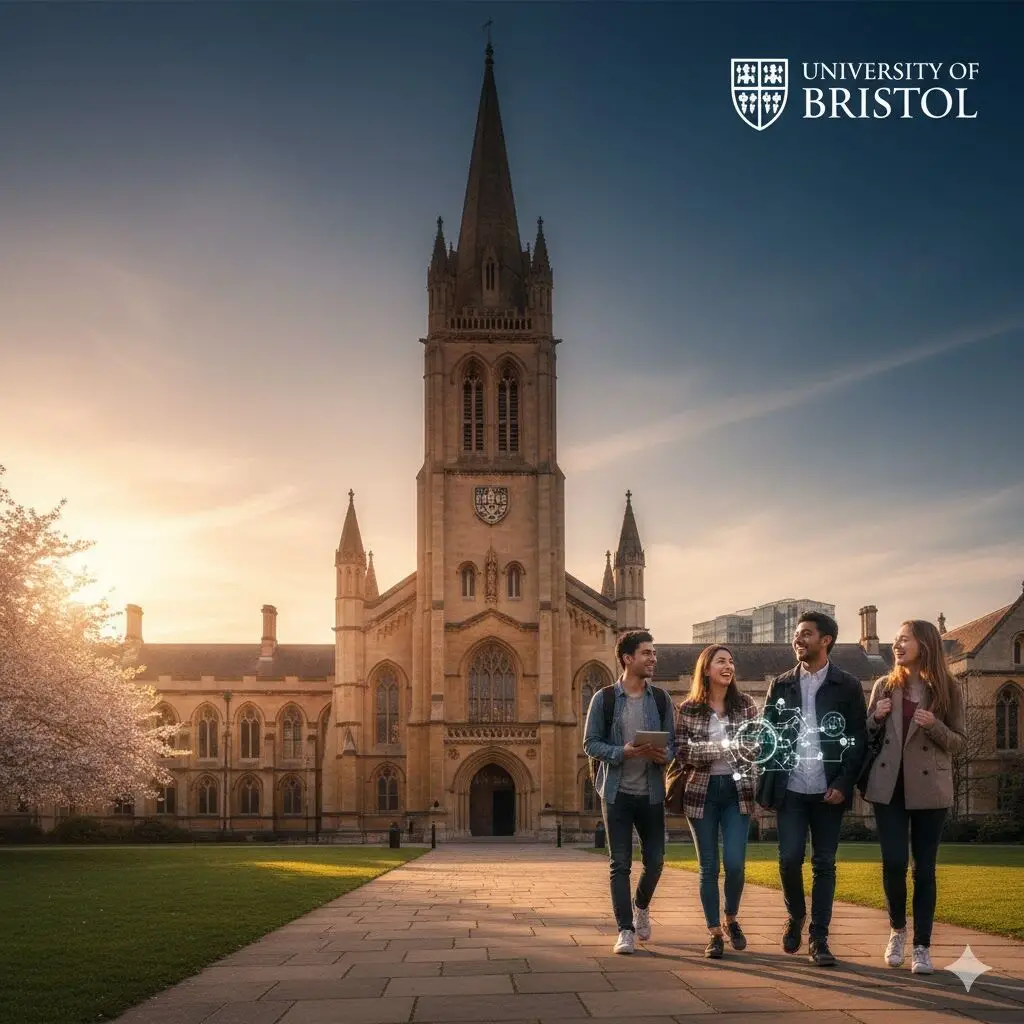
University of Bristol: A Global Powerhouse in Research and Education
The University of Bristol stands as a beacon of academic excellence and social progress in the heart of South West England. Founded in 1876 as University College, Bristol, and officially receiving its Royal Charter on May 24, 1909, the institution has spent over a century at the forefront of global discovery. As a founding member of the prestigious Russell Group, Bristol is synonymous with research-intensive education and a commitment to tackling the world’s most pressing challenges.
From its inception, Bristol has been a pioneer. It was the first higher education provider in the United Kingdom to admit men and women on an equal basis, establishing a legacy of equality and inclusion that remains a core value today. Under the leadership of Henry Overton Wills, the first Chancellor, and the continued support of the Wills family, the university has transformed from a regional college into a global top-60 institution.
2025-2026 Rankings and Global Standing
In the competitive landscape of higher education, the University of Bristol consistently maintains its position among the world's elite. As of the QS World University Rankings 2025, Bristol is positioned 54th globally and 9th in the UK. Furthermore, the Times Higher Education (THE) World University Rankings 2025 places Bristol at 78th worldwide, highlighting its exceptional research quality and international outlook.
Key Ranking Highlights:
QS World University Rankings 2026: Projected 51st globally (8th in the UK).
Research Excellence Framework (REF): Ranked among the top 5 UK universities for research.
UK Graduate Employability: Ranked 7th in the UK for sought-after graduates.
Sustainability: 12th most sustainable university in the world (QS Sustainability Rankings 2025).
Academic Excellence: Faculties and Programs
With over 600 undergraduate and postgraduate programs, Bristol offers an unparalleled breadth of study. The university's academic structure is organized into six world-class faculties:
1. Faculty of Arts
A hub for creative and critical thinking, offering specializations in Historical Studies, English, and Music (ranked 3rd in the UK).
2. Faculty of Engineering
Renowned globally for Aerospace Engineering and Civil Engineering. It is also home to the National Composites Centre (NCC), a leader in advanced materials research.
3. Faculty of Health Sciences
Leading the way in Medical Sciences, Dentistry, and Veterinary Medicine. Bristol’s medical training is integrated with the Bristol Royal Infirmary, providing world-class clinical experience.
4. Faculty of Life Sciences
Focusing on the building blocks of life, from Biological Sciences to Psychology, with cutting-edge facilities like the Life Sciences Building.
5. Faculty of Science
A powerhouse for Quantum Physics, Chemistry, and Mathematics. Bristol is a global leader in quantum technologies and climate modeling.
6. Faculty of Social Sciences and Law
Consistently top-ranked for Law, Education, and Social Policy. The School of Education is currently ranked 3rd in the UK by the Complete University Guide 2026.
Pioneering Research: Shaping the Future
Research at Bristol is not just academic; it is transformative. The university attracts over £200 million in annual research funding, driving breakthroughs in nanotechnology, healthcare, and climate change.
Isambard-AI: The UK’s Fastest Supercomputer
In a landmark development for 2025, Bristol is home to Isambard-AI. Situated at the National Composites Centre, this £225 million government-funded project is the UK’s most powerful supercomputer. It is purpose-built for AI research, robotics, and drug discovery, positioning Bristol as the "AI University of the Year."
Climate Change and Sustainability
Bristol was the first UK university to declare a climate emergency. Its researchers have developed the world’s first high-resolution global flood risk models, and the university aims to be carbon neutral by 2030.
Global Health Breakthroughs
The Elizabeth Blackwell Institute leads interdisciplinary health research, focusing on everything from Long COVID symptoms and vaccine development to mental health insights derived from music streaming data.
Student Life and Campus Experience
Located in one of Europe’s most creative and green cities, the University of Bristol offers a student experience like no other.
Amenities and Facilities
Libraries: Nine specialized libraries, including the iconic Wills Memorial Library, offering 24-hour access during peak times.
Student Union (Bristol SU): A vibrant hub for over 350 student-led clubs and societies.
Global Lounge: A cultural center designed to help international students connect and share experiences.
Sports and Wellbeing: The University Sports Centre and various satellite facilities cater to everyone from elite athletes to casual fitness enthusiasts.
The City of Bristol
Bristol is a "Purple Flag" city, recognized for its safe and welcoming nightlife. Students enjoy a city famous for its street art (home of Banksy), independent shops in Stokes Croft, and the historic Harbourside. The Temple Quarter Enterprise Campus, currently under development, will further integrate the university with the city’s tech and creative sectors.
International Student Support
With approximately 27% of the student body coming from outside the UK (representing 150+ countries), Bristol provides robust international support.
Visa and Immigration: Dedicated teams to assist with CAS and Tier 4 requirements.
Scholarships: The Think Big scholarship program offers significant tuition fee waivers for international applicants.
Academic Language: The Centre for Academic Language and Development provides tailored support for students whose first language is not English.
Business and Community Engagement
The university is a major driver of the regional economy through Bristol Innovations and partnerships with industry giants like Rolls-Royce, the BBC, and the NHS. It offers:
Professional Development: Short courses and degree apprenticeships.
Consultancy: Access to world-leading experts for business growth.
Facility Hire: State-of-the-art labs and high-performance computing (BlueCrystal) for commercial use.
Frequently Asked Questions
1. What is the University of Bristol's global ranking in 2025?
The University of Bristol is ranked 54th in the world according to the QS World University Rankings 2025 and 78th globally by Times Higher Education.
2. Is Bristol part of the Russell Group?
Yes, the University of Bristol is a founding member of the Russell Group, which represents 24 of the UK's leading research-intensive universities.
3. What are the most popular courses at Bristol?
Bristol is highly specialized in Aerospace Engineering, Medical Sciences, Law, Economics, and Computer Science. Its Engineering and Social Policy programs are frequently ranked in the UK's top 10.
4. How do I apply as an international student?
Undergraduate students apply via UCAS. Postgraduate applicants apply directly through the university's online portal. International students should check specific country entry requirements, such as English language profiles.
5. What scholarships are available for international students?
The primary scheme is the "Think Big" scholarship, which provides funding for both undergraduate and postgraduate international students. Other options include Chevening and Commonwealth scholarships.
6. Where is the University of Bristol located?
The main campus is located in the Clifton area of Bristol, UK. The headquarters and main reception are in Beacon House, Queens Road (BS8 1QU), near the Wills Memorial Building.
7. What is Isambard-AI?
Isambard-AI is the UK’s fastest supercomputer, hosted by the University of Bristol. It is a world-class facility for artificial intelligence research, climate modeling, and scientific discovery.
8. What is the university's commitment to sustainability?
Bristol aims to be carbon neutral by 2030 and was the first UK university to declare a climate emergency. It is currently ranked as the 12th most sustainable university globally.
9. What are the career prospects for Bristol graduates?
Bristol graduates are highly targeted by top UK recruiters, ranking 6th in the "High Fliers" report. 95% of graduates are in work or further study within 15 months of graduation.
10. How can I contact the University of Bristol helpdesk?
The main business helpdesk can be reached at 01179289000. For admissions queries, international students can email choosebristol-ug@bristol.ac.uk.
Contact Information
Phone: 01179289000
Email: h-res@bristol.ac.uk / choosebristol-ug@bristol.ac.uk
Website: www.bristol.ac.uk
Address: Beacon House, Queens Road, Bristol, BS8 1QU, United Kingdom
Registration: RC000648
Bristol
16 Views
Article Posting
Get Started Today to Publish an Article

Educational Services
Apr 03, 2026
HFMA UK: Leading Healthcare Finance & Professional Education
The Backbone of Healthcare Sustainability
In the complex ecosystem of the United Kingdom’s National Health Service (NHS), the bridge between clinical excellence and fiscal sustainability is built by finance professionals. At the heart of this community stands the Healthcare Financial Management Association (HFMA). Established in 1950, HFMA has grown from a small gathering of hospital treasurers into the primary professional body for over 10,000 finance staff across the UK.
As a registered charity and educational institute, HFMA provides the essential "Blue Pages" of healthcare finance—offering a unique blend of professional qualifications, policy influence, and a robust networking platform. This article explores how HFMA shapes the financial landscape of the NHS and supports the individuals tasked with managing its multi-billion-pound budget.
A Legacy of Excellence: The History of HFMA
The roots of HFMA trace back to January 1, 1950, shortly after the inception of the NHS. It was founded by early NHS Treasurers, with Mr. Hedley Copley serving as the first Chairman. Originally designed to help finance officers navigate the then-new statutory regulations of the 1948 NHS Act, the association has evolved alongside every major healthcare reform in British history.
Headquartered in Bristol (HFMA House, 4 Broad Plain), the organization has shifted from being a "treasurers' club" to an inclusive professional body that welcomes staff at all levels—from band 2 entry-level clerks to Chief Financial Officers (CFOs).
Value Proposition: Why HFMA Matters
HFMA’s value proposition is built on three pillars: Education, Influence, and Community.
Leading Provider of Education: Through the HFMA Academy, the association offers the only professional qualifications specifically designed for healthcare finance in the UK.
Influential Voice: HFMA regularly analyzes national policy, responds to government consultations, and ensures that financial management is recognized as a core driver of high-quality patient care.
Vital Platform: With 13 regional branches and various national networks, it provides a space for knowledge sharing that prevents the "silo" mentality often found in large public sector organizations.
Core Services and Products
1. Professional Healthcare Finance Qualifications
The HFMA Academy is the jewel in the association's crown. Recognizing that general accountancy qualifications (like ACCA or CIMA) don't always cover the nuances of NHS "Resource Accounting" or "Payment Systems," HFMA developed its own pathway:
Intermediate Certificates: Targeted at staff in bands 2-6 to build foundational knowledge.
Advanced Diplomas: Level 7 qualifications equivalent to postgraduate study.
Executive MBA Pathway: A unique partnership with the University of Northampton that allows senior leaders to achieve an MBA in Healthcare Finance.
2. CPD Events and Webinars
Continuous Professional Development (CPD) is a mandatory requirement for most finance professionals. HFMA hosts hundreds of events annually, including:
National Annual Conference: The premier event in the NHS finance calendar.
Technical Webinars: Deep dives into VAT, capital accounting, and integrated care board (ICB) transitions.
3. Healthcare Costing for Value Institute
Costing in healthcare is notoriously difficult. The Institute helps NHS providers understand the "cost per patient" through Patient-Level Costing (PLICS). This data is crucial for identifying waste and improving clinical outcomes, moving the conversation from "how much did we spend?" to "how much value did we create?"
4. Healthcare Finance Magazine
The association’s flagship publication provides members with monthly updates on policy changes, technical briefings, and interviews with key figures in the Department of Health and Social Care (DHSC).
Membership: Joining the Network
Membership is open to anyone working in healthcare finance or those with an interest in the field.
Individual Membership: Includes access to the resource library, mentoring, and discounts on events.
Partner/Corporate Membership: Allows whole organizations to benefit from HFMA’s training resources and the Skills Development Network (SDN).
Amenities for Members
Online Learning Academy: A 24/7 digital portal for flexible study.
Mentoring Schemes: Pairing junior staff with experienced mentors to navigate career hurdles.
Regional Branch Networks: Local support in areas like the South West, London, Scotland, and Wales.
Technical Specializations
HFMA is not just a club; it is a technical powerhouse. It specializes in several critical areas of the UK health economy:
NHS Financial Governance: Ensuring public money is spent transparently and legally.
Commissioning and Payment Systems: Managing the flow of money between "Buyers" (ICBs) and "Sellers" (Trusts).
Leadership Development: Training the next generation of NHS Directors of Finance.
Business Information at a Glance
Physical Address: HFMA House, 4 Broad Plain, Bristol, BS2 0JP, UK.
Helpdesk Number: 0117 929 4789
Email: info@hfma.org.uk
Website: www.hfma.org.uk
Registered Charity No: 1114463
Company Registration: 05787910
Frequently Asked Questions
1. Who can join HFMA?
HFMA is primarily for finance staff working in the NHS and private healthcare providers in the UK. However, it also welcomes clinicians, budget holders, and commercial partners who need to understand healthcare finance.
2. Does HFMA offer student discounts for qualifications?
Yes, HFMA often provides bursaries and discounted rates for members, particularly those in lower NHS bands (2-6).
3. Are HFMA qualifications recognized by the NHS?
Absolutely. HFMA qualifications are specifically tailored to the NHS and are highly regarded by hiring managers looking for specialists in healthcare financial management.
4. Can I attend HFMA events if I am not a member?
Yes, though non-members typically pay a higher attendance fee. Becoming a member usually pays for itself through the discounts provided for the National Annual Conference.
5. Where is the HFMA headquarters located?
The headquarters is located in Bristol, England, near the Bristol Temple Meads railway station.
6. What is the Healthcare Costing for Value Institute?
It is a specialized branch of HFMA that focuses on using costing data to drive better patient outcomes and financial efficiency within the NHS.
7. Does HFMA provide mentoring?
Yes, HFMA offers a professional mentoring scheme that connects members with experienced leaders across the healthcare finance spectrum.
8. How do I access the Healthcare Finance magazine?
The magazine is available to all members. It is provided in both digital format and, for some membership tiers, a printed quarterly edition.
9. What payment methods does HFMA accept for subscriptions?
HFMA accepts Bank Transfers, Credit/Debit Cards, and Direct Debits (which often come with a discount for membership fees).
10. Is HFMA involved in government policy?
Yes, HFMA acts as a key influential voice, regularly submitting responses to government consultations and analyzing national health policy to support the finance community.
Driving High-Quality Patient Care
Ultimately, the work of the Healthcare Financial Management Association is about more than just balance sheets. By equipping finance professionals with the right skills and information, HFMA ensures that the NHS can deliver high-quality patient care in an increasingly difficult fiscal climate. Whether through a level 7 diploma or a regional networking event, HFMA remains the indispensable partner for anyone serious about a career in healthcare finance.
Bristol
9 Views

Educational Services
Apr 03, 2026
INCOSE UK Definitive Guide to Systems Engineering Excellence
In an era defined by unprecedented complexity, the ability to design, manage, and sustain intricate systems is no longer just a technical requirement—it is a societal necessity. INCOSE UK Limited (the International Council on Systems Engineering UK) stands as the professional home for those dedicated to this discipline. Founded to develop and disseminate the interdisciplinary principles that enable the realization of successful systems, INCOSE UK has grown from its 1994 roots into a powerhouse of educational and professional excellence.
Headquartered in the historic town of Ilminster, Somerset, INCOSE UK serves as the bridge between theoretical systems science and practical industrial application. Whether it is the integration of zero-emission propulsion in aerospace or the digital transformation of the UK’s rail network, the influence of INCOSE UK members is felt across every critical infrastructure sector.
The Mission and Values of INCOSE UK
At its core, INCOSE UK is a not-for-profit membership organization. Its mission is clear: to share, promote, and advance the best of systems engineering from across the globe for the benefit of humanity and the planet.
Core Values:
Systems Thinking: Applying holistic approaches to tackle "wicked" problems.
Pioneering & Innovation: Staying at the forefront of Model-Based Systems Engineering (MBSE) and AI integration.
Lifelong Learning: Providing a continuous professional development (CPD) pathway from student to Emeritus level.
Collaboration: Bridging the gap between academia, industry, and government.
Professional Registration: Your Path to CEng, IEng, and EngTech
One of the most significant value propositions of INCOSE UK is its status as a Licensed Member of the Engineering Council. Unlike general engineering bodies, INCOSE UK is uniquely positioned to assess candidates specifically through the lens of Systems Engineering.
1. Chartered Engineer (CEng)
For those leading complex projects and developing new technologies, CEng status via INCOSE UK proves that your competence meets the rigorous UK-SPEC standards. It signifies a high level of leadership, theoretical knowledge, and a commitment to professional ethics.
2. Incorporated Engineer (IEng)
IEng registration is ideal for professionals who maintain and manage applications of current and emerging technology. INCOSE UK supports IEng candidates who excel in systems integration and operational efficiency.
3. Engineering Technician (EngTech)
Technicians are the backbone of systems delivery. Achieving EngTech status demonstrates your proven technical knowledge and your ability to apply systems thinking at the fundamental stages of engineering lifecycles.
The Systems Engineering Professional (SEP) Certification
While professional registration (CEng/IEng) is a UK-standard, the SEP Certification is a globally recognized benchmark of expertise managed by INCOSE.
ASEP (Associate Systems Engineering Professional): For those starting their journey, focused on knowledge of the INCOSE SE Handbook.
CSEP (Certified Systems Engineering Professional): For practitioners with significant experience (typically 5+ years) who can demonstrate a breadth of systems engineering application.
ESEP (Expert Systems Engineering Professional): Reserved for those who have demonstrated at least 20 years of leadership and significant contributions to the field.
High-Impact Events: ASEC and Beyond
The Annual Systems Engineering Conference (ASEC) is the UK’s premier event for systems practitioners. It is more than just a conference; it is a melting pot of ideas where the latest research meets industrial reality.
Why Attend ASEC?
Peer-Reviewed Content: Access technical presentations that define the state-of-the-art in the UK.
Networking: Connect with leaders from organizations like the MoD, BAE Systems, Network Rail, and various NHS trusts.
Professional Growth: Many sessions contribute directly to your CPD requirements for registration renewal.
Specialized Working Groups: The Engine Room of Innovation
INCOSE UK thrives on its volunteer-led Working Groups. These groups focus on specific domains or methodologies, producing the "Z-Guides" and technical publications that members use daily.
MBSE Working Group: Driving the transition from document-centric to model-centric engineering.
Rail Interest Group: Addressing the unique challenges of the UK’s aging infrastructure and high-speed rail future.
Healthcare Working Group: Applying systems thinking to improve patient outcomes and hospital efficiency.
Driving Innovation Across UK Sectors
The application of Systems Engineering is diverse. INCOSE UK empowers its members to drive innovation in:
Aerospace & Defense: Managing the extreme requirements of next-generation defense systems.
Rail & Transportation: Enhancing safety and reliability through lifecycle management.
Energy: Transitioning the UK grid toward sustainable, decentralized systems.
Healthcare: Designing resilient public health systems using socio-technical analysis.
Membership Benefits: More Than Just a Title
Becoming a member of INCOSE UK provides an unparalleled toolkit for career advancement:
The INCOSE SE Handbook: The global standard for SE processes.
Professional Development Portal: A dedicated space to track and plan your career milestones.
Digital Library: Access to decades of symposia papers and journals.
Community: Participation in Local Groups (e.g., North West, Midlands, Scotland) to engage with peers in your region.
Frequently Asked Questions
1. What is the difference between CEng and CSEP?
CEng (Chartered Engineer) is a UK-specific professional title licensed by the Engineering Council, focusing on broad engineering competence and leadership. CSEP (Certified Systems Engineering Professional) is a global certification by INCOSE that specifically validates your depth of knowledge and experience in the Systems Engineering discipline. Many professionals choose to hold both.
2. Do I need an engineering degree to join INCOSE UK?
No. INCOSE UK welcomes professionals from various backgrounds including science, mathematics, and management, provided they are involved in the practice or study of systems engineering.
3. How much does INCOSE UK membership cost?
Fees vary based on membership type (Individual, Student, or Senior). Current rates are available on the official website; however, membership often pays for itself through significant discounts on ASEC and SEP certification fees.
4. Can INCOSE UK help me with the "Knowledge Exam" for SEP?
Yes. INCOSE UK frequently hosts "Certification Clinics" and provides study resources aligned with the INCOSE Systems Engineering Handbook to help members prepare for the exam.
5. What are "Z-Guides"?
Z-Guides are a series of concise, easy-to-digest publications produced by INCOSE UK working groups. They cover specific topics like "What is Systems Engineering?" and "Systems Engineering and Project Management."
6. Is INCOSE UK only for the Defense and Aerospace industries?
While historically strong in those sectors, INCOSE UK has rapidly expanded into automotive, healthcare, energy, and digital services, reflecting the universal need for systems thinking.
7. How do I start my application for CEng through INCOSE UK?
The first step is to become a member of INCOSE UK. Once joined, you can access the professional registration portal, attend a "Competencies Clinic," and be assigned a mentor to guide your application.
8. Where is the Annual Systems Engineering Conference (ASEC) held?
ASEC moves to different locations across the UK annually to remain accessible to all members. Recent and upcoming locations include Edinburgh, Kent, and Newcastle.
9. Can my company join INCOSE UK?
Yes. Through the Corporate Advisory Board (CAB), organizations can join to influence the strategic direction of INCOSE and provide their employees with access to exclusive resources.
10. How can I contact the INCOSE UK secretariat?
The physical office is located at 21 The Dyers Building, Ilminster. You can reach them via phone at 01460 298217 or email at enquiries@incoseuk.org.
Contact Information
Business Name: INCOSE UK Limited
Address: 21 The Dyers Building, 21 Silver Street, Ilminster, Somerset, TA19 0DH, UK
Phone: 01460 298217
Email: secretariat@incoseuk.org
Website: https://incoseuk.org
Working Hours: Monday–Friday, 9 AM – 5 PM
Edinburgh
5 Views
Educational Services
Apr 03, 2026
The Royal College of Surgeons of Edinburgh: A Legacy of Excellence
The Royal College of Surgeons of Edinburgh (RCSEd) stands as a monumental pillar in the world of medicine. As the oldest surgical college on the planet, its influence stretches from the cobblestone streets of medieval Edinburgh to the high-tech operating theaters of the 21st century. Founded in 1505, the RCSEd has spent over half a millennium dedicated to one singular, unwavering mission: to promote the highest standards in surgical and dental education, training, and clinical practice to ensure patient safety worldwide.
Today, the College is a truly global professional community, boasting over 30,000 members across more than 140 countries. Whether through its world-renowned examinations, its specialized faculties, or its cutting-edge research fellowships, the RCSEd continues to shape the future of surgery.
A Journey Through Time: The Origins of 1505
The story of the RCSEd begins with the "Seal of Cause." On July 1, 1505, the Town Council of Edinburgh granted a charter to the Incorporation of Surgeons and Barbers. This was subsequently confirmed by King James IV of Scotland, a monarch uniquely fascinated by medical science—records even suggest he practiced simple dentistry and bloodletting himself.
The Barber-Surgeon Era
In the early days, the roles of barbers and surgeons were intertwined. Both professions required "sharp instruments" for their trade, whether for shaving beards or lancing abscesses. However, the 1505 charter was revolutionary because it imposed strict academic and ethical requirements. It mandated that every master surgeon must be literate and possess a deep knowledge of anatomy—a requirement that predated many other professional bodies by centuries.
The Separation and Evolution
As medical knowledge advanced, the disparity between the craft of the barber and the science of the surgeon grew. In 1722, the barbers formally separated from the surgeons. By 1778, King George III granted a new charter, officially designating the body as "The Royal College of Surgeons of the City of Edinburgh."
Global Impact: A World-Recognized Authority
While its roots are in Scotland, the RCSEd is an international powerhouse. It serves as a home for surgeons at every stage of their career, from medical students and foundation trainees to senior consultants and retired practitioners.
International Presence
The College’s reach is facilitated by its international offices and partnerships. With a second UK office in Birmingham and an international hub in Kuala Lumpur, Malaysia, the RCSEd ensures that its educational resources and high standards are accessible to the global "surgical brotherhood."
Professional Membership and Fellowship
Membership at the RCSEd is more than just a credential; it is an entry into a prestigious network.
Affiliate Membership: For medical students and early-career doctors.
Membership (MRCS): Awarded upon successful completion of the Intercollegiate MRCS exams.
Fellowship (FRCS): The "gold standard" for senior surgeons, signifying mastery in a specific surgical specialty.
The Pillars of Education: Examinations and Training
The core function of the RCSEd remains the assessment and examination of surgeons. The College provides a rigorous framework that ensures only the most competent practitioners reach the operating table.
The MRCS and FRCS Exams
The Membership of the Royal College of Surgeons (MRCS) examination is a critical milestone for any aspiring surgeon. It tests core surgical competencies, basic sciences, and clinical application. Following this, the Fellowship of the Royal College of Surgeons (FRCS) serves as the exit exam for specialty training, marking the transition to consultant level.
Clinical Skills and Online Learning
Education at the RCSEd isn't limited to textbooks. The College offers:
Skills Workshops: Hands-on training in laparoscopy, suturing, and specialty-specific techniques.
Online Learning: The RCSEd has pioneered digital education, offering webinars, podcasts (such as "Let’s Talk Surgery"), and the Acland Anatomy Video Atlas.
WADE Programme: A specialized anatomy series designed to enhance performance in the MRCS Part B OSCE.
Specialized Faculties: Tailored Expertise
The modern surgical workforce is diverse, and the RCSEd reflects this through six specialized faculties. Each faculty addresses a specific niche within the healthcare ecosystem.
Faculty of Dental Surgery (FDS)
Founded in 1947, the FDS is one of the largest and most active dental faculties in the world. It sets the standard for dental excellence through exams like the MFDS and specialized fellowships in orthodontics and oral surgery.
Faculty of Pre-Hospital Care (FPHC)
As emergency medicine evolves, the FPHC provides the gold standard for clinicians working in the field—paramedics, doctors, and nurses who provide life-saving care before a patient ever reaches the hospital doors.
Faculty of Remote, Rural and Humanitarian Healthcare (FRRHH)
This faculty is dedicated to supporting those who practice in the world's most challenging environments, from isolated islands to conflict zones, ensuring that high-quality surgical care is not a privilege of the urban elite.
Other Key Faculties
Faculty of Surgical Trainers (FST): The first of its kind in the UK, focusing on the "science of teaching" surgery.
Faculty of Dental Trainers (FDT): Supporting those who educate the next generation of dentists.
Faculty of Perioperative Care (FPC): Dedicated to the wider surgical team, including surgical assistants and practitioners.
Research, Grants, and Fellowships: Driving Innovation
The RCSEd is not just a guardian of tradition; it is an engine for innovation. Between 2020 and 2022 alone, the College invested over £725,000 in grants, bursaries, and fellowships.
Shaping the Future of Surgery
Research grants provided by the RCSEd allow surgeons to explore groundbreaking techniques in robotics, minimally invasive surgery, and regenerative medicine. These projects often serve as the "starter gun" for clinical trials that eventually become standard practice worldwide.
Travelling Fellowships
The College encourages the exchange of global knowledge through travelling fellowships. These allow members to visit leading international centers of excellence, bringing back new skills and perspectives to their local practice.
The Edinburgh Campus: A Hub of Heritage and Hospitality
The physical heart of the RCSEd is its stunning campus on Nicolson Street in Edinburgh. It is a unique blend of historic architecture and modern amenities.
Surgeons' Hall Museums
Open to the public since 1832, the Surgeons' Hall Museums house one of the most significant medical collections in the UK.
The Wohl Pathology Museum: A world-class collection of preserved specimens.
History of Surgery Museum: Exploring everything from the infamous Burke and Hare murders to the development of anesthesia.
Body Voyager: An interactive gallery showcasing the rise of robotic and computerized technology in modern medicine.
Surgeons' Quarter
The College operates a commercial arm known as the Surgeons' Quarter. This includes the Ten Hill Place Hotel, a luxury 4-star destination, and award-winning conference facilities. Profits from these ventures are reinvested directly into the College’s charitable mission of advancing surgical standards.
Advocacy and Policy: The Voice of the Profession
Beyond the operating theater, the RCSEd is a powerful advocate for healthcare policy. It works closely with the Academy of Medical Royal Colleges (AoMRC) and international bodies like ICOSET to influence legislation that impacts patient safety and surgeon wellbeing.
The College frequently publishes guidelines on clinical standards, surgeon fatigue, and diversity within the workforce, ensuring that the profession remains inclusive, healthy, and ethical.
Why Join RCSEd? The Value Proposition
For a surgical professional, RCSEd membership offers a lifetime of support:
Prestige: Association with a 500-year-old institution.
Resources: Access to a historic research library and archive.
Sustainability: A commitment to ethical medical practices and environmental responsibility.
Community: A global network of 30,000+ peers.
Honoring the Past, Creating the Future
The Royal College of Surgeons of Edinburgh is more than an institution; it is a living testament to human ingenuity and the pursuit of healing. From its 16th-century origins to its global status in the 21st century, the RCSEd remains the gold standard for surgical excellence. By fostering a culture of continuous learning, rigorous assessment, and compassionate care, the College ensures that the legacy of those original "Surgeons and Barbers" lives on in every successful surgery performed across the globe today.
Frequently Asked Questions
1. What does RCSEd stand for?
RCSEd stands for The Royal College of Surgeons of Edinburgh. It is the oldest surgical college in the world, founded in 1505.
2. How do I become a member of the RCSEd?
Membership is usually attained by passing the Intercollegiate MRCS examination. There are also levels for medical students (Affiliates) and senior practitioners (Fellows/FRCS).
3. What is the difference between MRCS and FRCS?
MRCS (Membership) is a core exam taken during early surgical training to demonstrate foundational competency. FRCS (Fellowship) is a specialty-specific "exit exam" taken at the end of training to become a consultant.
4. Is the RCSEd only for surgeons in Scotland?
No. While headquartered in Edinburgh, it is a global organization with over 30,000 members in more than 140 countries. The majority of its UK members are actually based in England.
5. Can I visit the Surgeons' Hall Museums?
Yes! The Surgeons' Hall Museums are open to the public. They offer a fascinating look at the history of medicine, pathology, and surgical innovation.
6. Does the College offer dental qualifications?
Yes, the College has a dedicated Faculty of Dental Surgery which offers examinations such as the MFDS and various specialty fellowships in dentistry.
7. What kind of research funding does RCSEd provide?
The College provides a wide range of research grants, fellowships, and scholarships for members, including travelling fellowships to study surgical techniques abroad.
8. What is the "Surgeons' Quarter"?
Surgeons' Quarter is the commercial arm of the College, managing the Ten Hill Place Hotel and various conference venues. Profits support the College’s educational and charitable goals.
9. How can I contact the RCSEd?
You can reach the main helpdesk at 0131 527 1600 or via email at information@rcsed.ac.uk. Their physical address is Nicolson Street, Edinburgh, EH8 9DW.
10. Does the RCSEd provide online courses?
Yes, the College offers an extensive library of online resources, including webinars, podcasts, and digital anatomy atlases, accessible to members worldwide.
Edinburgh
5 Views

Educational Services
Apr 03, 2026
Institute and Faculty of Actuaries : Leading Global Actuarial Excellence
In an era defined by financial volatility, climate uncertainty, and rapid technological shifts, the role of the actuary has never been more critical. At the heart of this profession stands the Institute and Faculty of Actuaries (IFoA), the United Kingdom’s only Royal Chartered professional body dedicated to the education, development, and regulation of actuaries worldwide.
The IFoA: A Legacy of Excellence
The IFoA, as it exists today, was formed in 2010 through the historic merger of two venerable institutions: the Institute of Actuaries (founded in London in 1848) and the Faculty of Actuaries (founded in Edinburgh in 1856). With headquarters at the iconic Staple Inn in London, the IFoA represents a bridge between nearly two centuries of tradition and a future-focused approach to actuarial science.
With over 32,000 members across the globe, the IFoA is not merely a UK body; it is a global authority. Its mission is clear: to advance the science of actuarial mathematics and to maintain public confidence through robust regulation and the highest professional standards.
The Power of the "Chartered Actuary" Designation
A significant milestone in the IFoA’s history is the introduction and protection of the Chartered Actuary designation. This title serves as a global benchmark for professional excellence.
While many individuals may perform analytical tasks, only those who meet the rigorous standards of the IFoA can claim Chartered status. This designation assures employers, regulators, and the public that the practitioner is a regulated professional committed to the Actuaries’ Code of ethics and continuous professional development.
Membership Levels
The IFoA offers a structured pathway to qualification, catering to different career stages and specializations:
Fellow (FIA/FFA): The "Gold Standard" of actuarial qualification. Fellows have demonstrated deep technical expertise and strategic leadership in their chosen practice area.
Associate (AIA/AFA): This level recognizes qualification at a generalist level, providing a broad foundation in risk management and financial modeling.
Student Member: The starting point for those pursuing the rigorous IFoA examination path.
Certified Actuarial Analyst (CAA): A technical qualification for those supporting actuarial work.
Educational Rigor: The IFoA Qualification Path
The journey to becoming an IFoA-qualified actuary is famously challenging, ensuring that only the most capable analytical minds enter the profession. The curriculum is divided into several key pillars:
Core Principles (CS, CM, CB Series)
These subjects cover the mathematical and statistical foundations, including actuarial mathematics, economics, and business finance. Students learn to model complex contingencies and value future financial flows.
Core Practices (CP Series)
Beyond pure math, actuaries must communicate. These modules focus on actuarial practice, modeling documentation, and professional communication skills.
Specialist Principles & Advanced (SP & SA Series)
Candidates specialize in specific industries, such as:
Life Assurance
General Insurance
Pensions and Employee Benefits
Health and Care
Investment and Finance
Banking (A newly developed and growing pathway)
Regulation and Public Interest
As a Regulatory Authority, the IFoA operates under a Royal Charter. It is overseen in the UK by the Financial Reporting Council (FRC). The IFoA’s regulatory framework is designed to protect the public interest by:
Setting Standards: Issuing Actuarial Profession Standards (APS) that members must follow regardless of their geographic location.
Monitoring Quality: Through the Quality Assurance Scheme (QAS), which recognizes organizations with high-quality actuarial work environments.
Enforcement: Maintaining an independent disciplinary process to investigate allegations of professional misconduct.
Global Influence and Research
The IFoA is a leading voice in global financial policy. Through its research initiatives and peer-reviewed publications, such as the British Actuarial Journal (BAJ) and Annals of Actuarial Science (AAS), the institute advances the frontiers of the profession.
Tackling Modern Challenges
The IFoA is at the forefront of integrating new disciplines into the actuarial toolkit:
Climate Change & Sustainability: Actuaries are uniquely positioned to model the financial risks of climate change. The IFoA provides a dedicated "Climate Risk and Sustainability" course and influences global policy on "Net Zero" transitions.
Data Science and AI: As automation and machine learning reshape insurance, the IFoA ensures its members remain "future-ready" through its AI and Data Science certificate programs.
Member Benefits and Amenities
Joining the IFoA provides access to a prestigious professional network. Members benefit from:
Continuous Professional Development (CPD): Access to over 100 webinars and conferences annually.
The Actuary Magazine: A monthly publication covering the latest trends in risk and finance.
Library Services: Access to one of the world's most comprehensive collections of actuarial research and literature.
Regional Chapters: Local support and networking hubs in Asia, Africa, Europe, and beyond.
Why the IFoA Matters
The Institute and Faculty of Actuaries remains the cornerstone of the actuarial profession. By balancing its rich historical roots with a modern, innovative curriculum, it ensures that its members are not just "number crunchers," but strategic advisors capable of solving the world's most complex financial problems. Whether you are an aspiring student or a global corporation, the IFoA represents the pinnacle of risk management and professional integrity.
Frequently Asked Questions
1. What is the difference between a Fellow (FIA) and an Associate (AIA)?
A Fellow (FIA/FFA) has completed the full suite of exams, including specialist advanced subjects, and is considered fully qualified at the highest level. An Associate (AIA/AFA) has qualified at a generalist level. Both are entitled to use the "Chartered Actuary" designation.
2. How long does it take to qualify as an actuary with the IFoA?
On average, it takes 3 to 6 years to reach Associate level and 5 to 10 years to reach Fellowship, depending on exemptions and exam success rates.
3. Is the IFoA qualification recognized outside the UK?
Yes. The IFoA has Mutual Recognition Agreements (MRAs) with many international bodies, including those in Australia, India, and South Africa, making it a truly global qualification.
4. What is the "Actuaries’ Code"?
It is a set of ethical principles that all IFoA members must follow. It covers six core areas: Integrity, Competence and Care, Impartiality, Compliance, Communication, and Speaking Up.
5. Do I need a math degree to join the IFoA?
While most students have a strong quantitative background (math, physics, or economics), there is no strict requirement for a specific degree, provided you can pass the entrance exams.
6. What are the accepted payment methods for IFoA fees?
The IFoA accepts bank transfers, credit/debit cards, direct debits, and payments through its secure online member portal.
7. Where is the IFoA headquartered?
The main office is located at 1-3 Staple Inn Hall, High Holborn, London, WC1V 7QJ, United Kingdom.
8. What role does the IFoA play in climate change?
The IFoA helps actuaries understand and model climate-related financial risks. They offer a specialized Climate Risk and Sustainability Course and participate in global climate policy discussions.
9. Can I take IFoA exams online?
Yes, the IFoA has transitioned to an online assessment model, allowing students worldwide to sit for exams remotely.
10. How do I contact IFoA member services?
You can reach them at 02076322100 or via email at memberservices@actuaries.org.uk.
Edinburgh
6 Views
Article Posting
Sign In to Submit Your Content
Educational Services
Apr 03, 2026
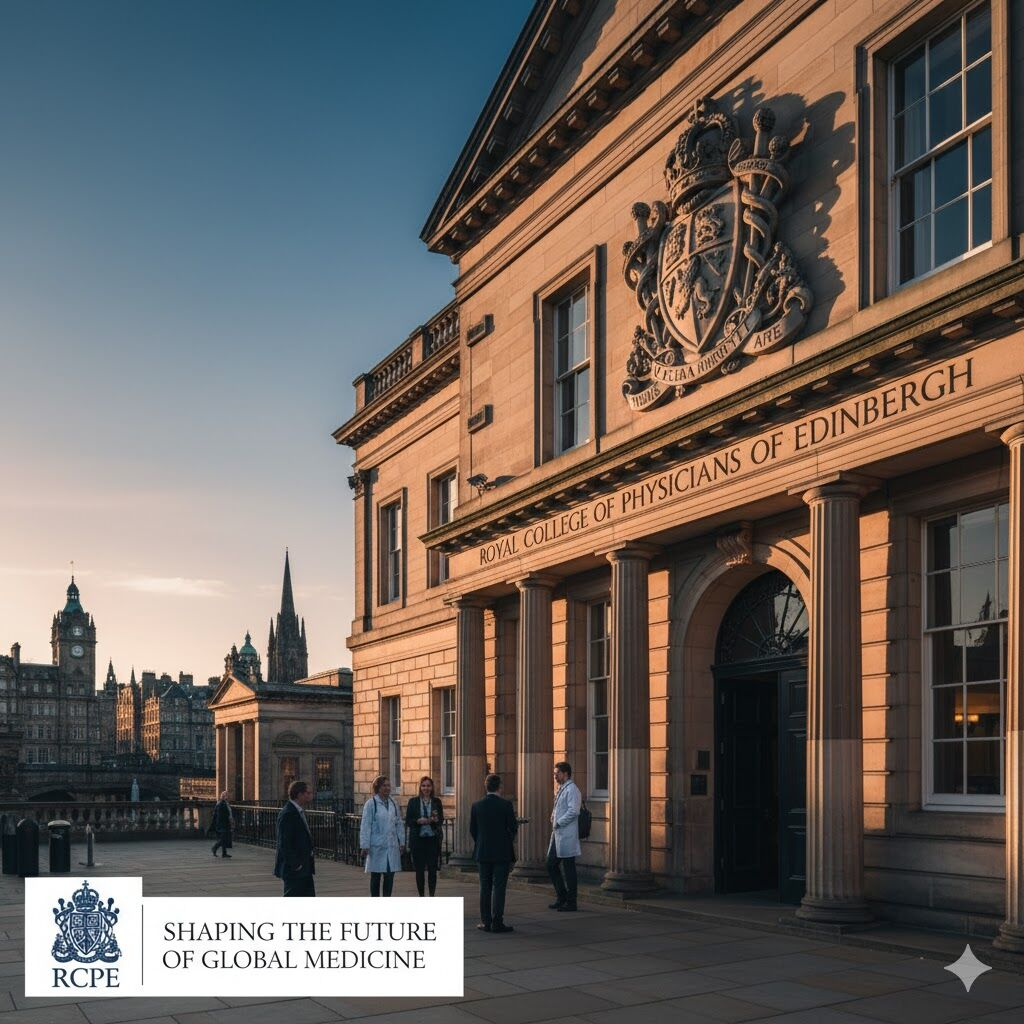
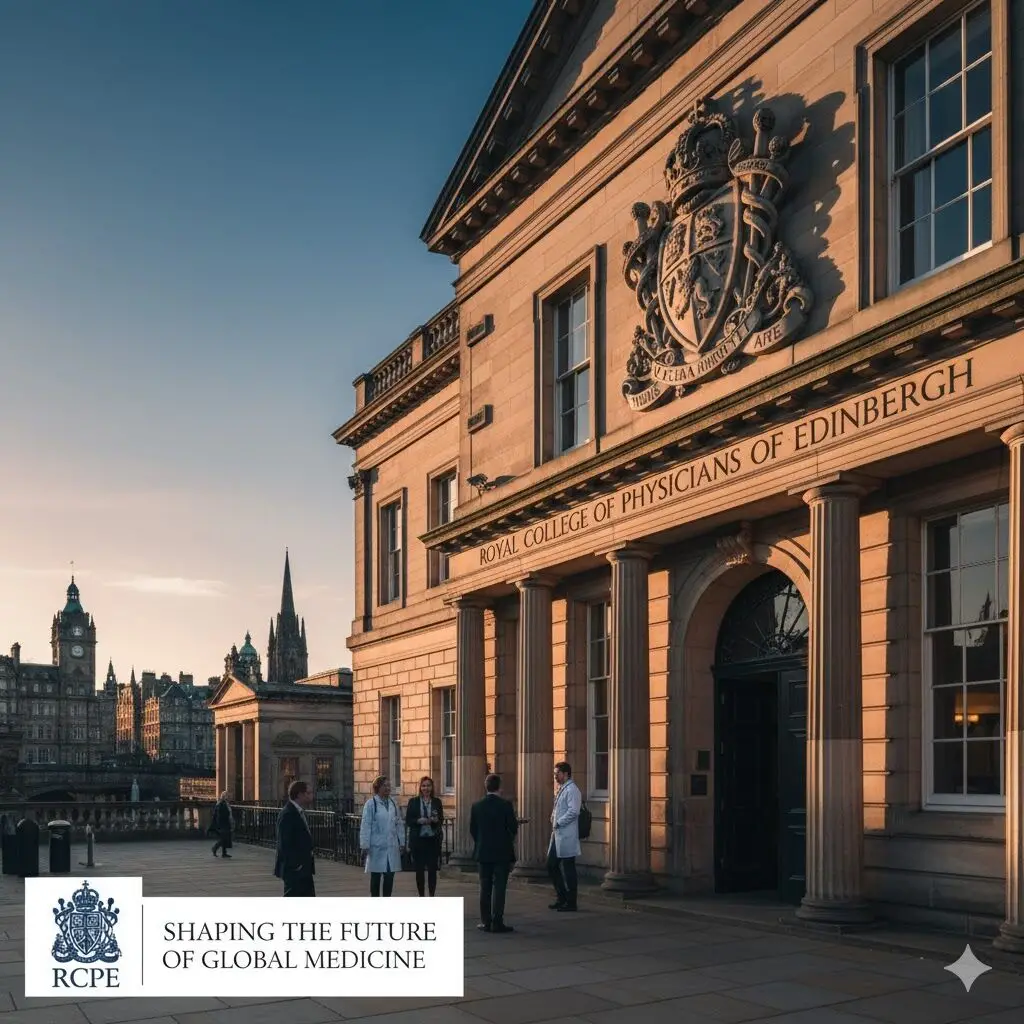
Royal College of Physicians of Edinburgh : Shaping the Future of Global Medicine
The Royal College of Physicians of Edinburgh (RCPE) stands as a titan in the world of clinical excellence and medical education. As a world-renowned professional membership body and registered charity (No. SC005335), the RCPE has dedicated over three centuries to setting the highest standards of medical practice. With a mission rooted in supporting the medical profession to deliver the best possible care for patients worldwide, the College represents a diverse global community of over 14,000 Fellows and Members across 91 countries.
A Legacy of Excellence: From 1681 to the Modern Era
Established by the Royal Charter of King Charles II on 29 November 1681, the RCPE was founded through the visionary efforts of key figures like Sir Robert Sibbald. For over 340 years, the College has bridged the gap between historical tradition and modern medical innovation.
Located at its historic headquarters at 9-11 Queen Street, Edinburgh, EH2 1JQ, the College remains a cornerstone of the Scottish Enlightenment and a global hub for internal medicine. Its physical presence near St Andrew Square and the Scottish National Portrait Gallery serves as a reminder of its deep-rooted history in the heart of the United Kingdom.
Core Value Proposition: Education, Support, and Advocacy
The RCPE’s value proposition is centered on three strategic pillars: high-quality medical education, professional support for physicians at every career stage, and powerful advocacy for clinical standards.
1. World-Leading Medical Education and CPD
The College is a premier provider of Continuing Professional Development (CPD). Its extensive program includes:
Medical Symposia: Highly regarded sessions covering the latest updates in various medical specialties.
Evening Teach-ins: Accessible learning opportunities for trainees and consultants alike.
Online Learning Resources: A robust digital education portal featuring hundreds of hours of clinical and non-clinical content.
MSc Programmes: Academic partnerships providing advanced degrees in Internal Medicine and Medical Education.
2. The MRCP(UK) Examinations
As a key partner in the Federation of the Royal Colleges of Physicians of the UK, the RCPE plays a vital role in the assessment and certification of physicians. The MRCP(UK) diploma is a globally recognized hallmark of quality, and the RCPE is a primary center for conducting these rigorous assessments, including the PACES (Practical Assessment of Clinical Examination Skills) exams.
3. Global Advocacy and Clinical Standards
Beyond the classroom, the College acts as a powerful voice for the medical profession. It influences healthcare policy by responding to government consultations and promoting excellence in clinical standards. Through its global health advocacy, the RCPE addresses contemporary challenges such as health equity, climate change, and physician well-being.
Membership and Fellowship: A Global Community
The RCPE offers a tiered membership structure designed to support doctors from their first day of medical school through to retirement:
Student and Foundation: Free for medical students and junior doctors in their first two years post-qualification.
Collegiate Membership: For those who have achieved the MRCP(UK) or MRCPCH.
Fellowship (FRCP Edin): An accolade for experienced consultants and senior physicians, recognizing significant contributions to the field.
Members benefit from exclusive discounts on education, access to the Physicians' Gallery, and the opportunity to use the historic research library, which houses one of the most significant medical collections in the UK.
Venue Hire and Amenities: Bridging History and Function
The RCPE headquarters is not just a place of learning; it is a premier conference and event venue in Edinburgh. The facility offers:
Conference Facilities: Modern AV technology integrated into historic rooms.
Heritage Library: A breathtaking backdrop for dinners and networking.
Amenities: Free Wi-Fi, disability access, and high-quality on-site catering.
Member Resource Centre: A dedicated space for visiting Fellows and Members to work and relax.
Business Information at a Glance
Founder: Sir Robert Sibbald (via Royal Charter)
Founded Date: 29 November 1681
Headquarters: Edinburgh, Scotland, UK
Website: https://www.rcpe.ac.uk
Contact Number: +44 (0)131 225 7324
Email: enquiries@rcpe.ac.uk
Social Media: Active on LinkedIn, X (Twitter), Facebook, and Instagram (@RCPEdin).
Frequently Asked Questions
1. What is the Royal College of Physicians of Edinburgh (RCPE)?
The RCPE is a professional membership organization and registered charity that sets standards for medical practice and provides education and support to physicians worldwide.
2. Who can join the RCPE?
Membership is open to medical students, foundation doctors, and physicians at all career stages. Fellowship is awarded to senior consultants and physicians who have made significant contributions to medicine.
3. How do I contact the RCPE helpdesk?
You can reach the RCPE helpdesk at +44 (0)131 225 7324 or via email at enquiries@rcpe.ac.uk.
4. What role does the RCPE play in the MRCP(UK) exams?
The RCPE is one of the three UK Royal Colleges that manage the MRCP(UK) examinations, which are essential for physicians seeking to progress in specialty training.
5. Where is the RCPE located?
The College is located at 9-11 Queen Street, Edinburgh, EH2 1JQ, United Kingdom, near the Scottish National Portrait Gallery.
6. Does the RCPE offer online learning?
Yes, the College provides an extensive Education Portal with webinars, recorded symposia, and online courses for Continuing Professional Development (CPD).
7. Can the RCPE be hired for private events?
Yes, the College’s historic rooms, including the Great Hall and New Library, are available for hire for conferences, weddings, and corporate events.
8. What is the Journal of the Royal College of Physicians of Edinburgh?
It is a quarterly, peer-reviewed medical journal published by the College, covering clinical medicine, medical history, and education.
9. What are the benefits of RCPE Fellowship?
Fellows receive international recognition (FRCP Edin), voting rights within the College, access to exclusive resources, and opportunities to influence global health policy.
10. Is the RCPE a registered charity?
Yes, the RCPE is a registered Scottish charity with the number SC005335.
Edinburgh
11 Views
Educational Services
Apr 03, 2026
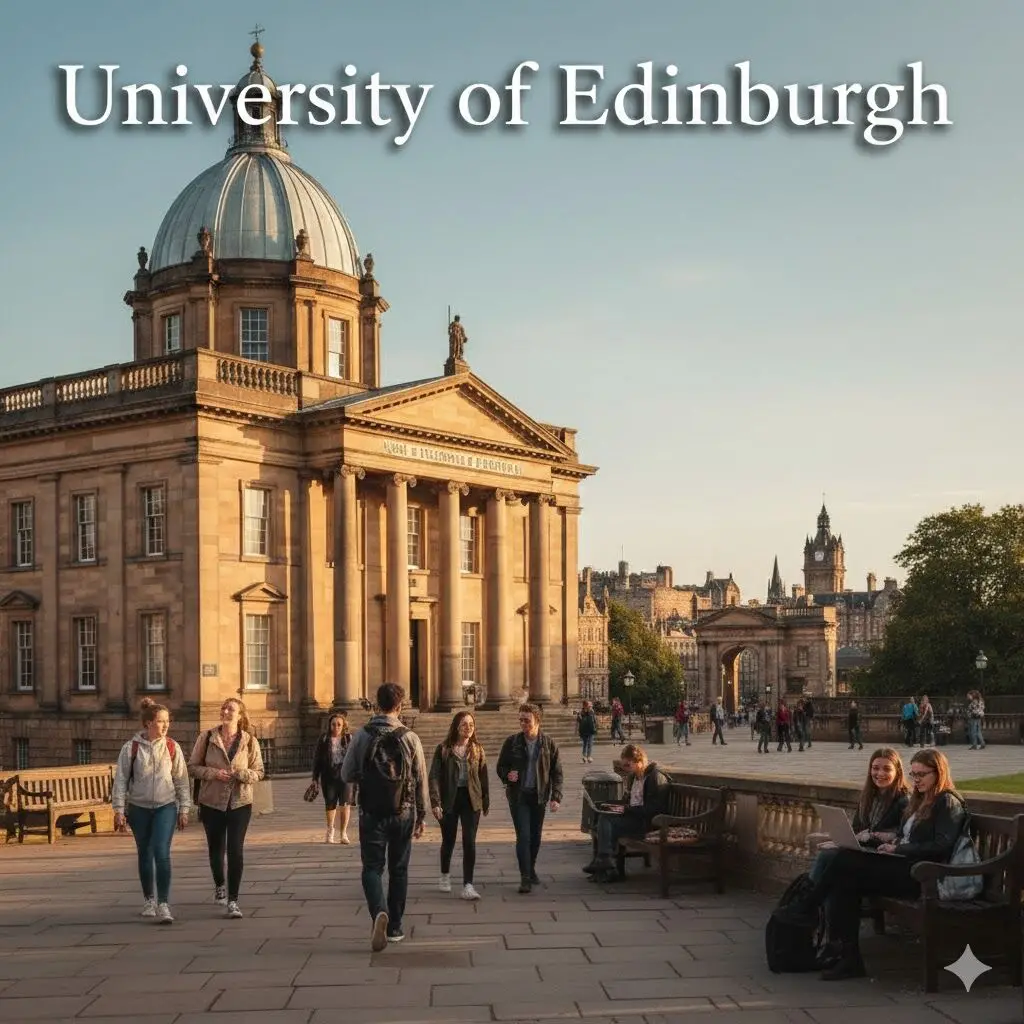
The University of Edinburgh: A Global Leader in Research and Education
The Athens of the North
Founded in 1582, the University of Edinburgh stands as a beacon of the Scottish Enlightenment and a global powerhouse in higher education. As the sixth oldest university in the English-speaking world, it has spent over four centuries "rewriting history time and again." Located in the heart of Scotland’s capital, the university is not merely an academic institution but a cornerstone of global progress, consistently ranked within the top 50 universities worldwide.
From the discovery of Penicillin by Alexander Fleming to the cloning of Dolly the Sheep at the Roslin Institute, Edinburgh’s legacy is one of transformative innovation. Today, with a community of over 45,000 students and 15,000 staff, the university continues to lead in fields as diverse as Artificial Intelligence, Medicine, and Climate Science.
Visual Identity: Branding and Using the Logo on Images
The University of Edinburgh maintains a strict corporate and visual identity to ensure a consistent global image. When creating marketing materials or social media content, it is vital to follow these branding protocols:
Logo Usage on Imagery
The Roundel and Wordmark: The official logo must always include both the roundel (incorporating the thistle, book, castle, and world) and the full text "The University of Edinburgh."
Placement: The primary position for the logo is the top left-hand corner. For social media assets, it is often placed in the bottom right corner.
Text Overlays: When adding text to an image of the campus (such as Old College or McEwan Hall), the text must not touch or overlap with the logo. Use a "clear space" equal to the size of the shield within the logo on all sides.
Color Palette: The corporate colors are Blue (Pantone 280) and Red (Pantone 186). When placing the logo on dark or busy photographic backgrounds, a "reversed" white-out version of the logo should be used to ensure legibility.
World-Class Rankings and Reputation
The University of Edinburgh’s global standing is reflected in its consistent performance across major ranking indices. As of the 2026 QS World University Rankings, Edinburgh holds the 34th position globally.
Key Performance Indicators:
Research Power: Ranked 4th in the UK based on the 2021 Research Excellence Framework (REF).
Employability: Ranked 33rd in the world for graduate employability by global employers.
International Outlook: Ranked 19th among the world's most international universities, reflecting a diverse student body representing two-thirds of the world’s nationalities.
Student Experience: Edinburgh is frequently voted the UK's safest city and ranks 15th globally in the QS Best Student Cities index.
Strategy 2030: Shaping the Future
The university’s roadmap, Strategy 2030, is an ambitious vision focused on four key pillars: People, Research, Teaching and Learning, and Social and Civic Responsibility. ### The Three Research Missions To address the most pressing global challenges, Edinburgh has consolidated its research focus into three core missions:
Shaping the Future of Health and Care: Developing innovations in physical and mental health to help people live longer, healthier lives.
Tackling the Climate and Environmental Crisis: Integrating research in biodiversity, clean energy, and circular economies to mitigate the climate emergency.
Harnessing Data, Digital, and AI for Public Good: Leveraging the university’s status as a leader in Informatics to make Edinburgh the "Data Capital of Europe."
Academic Excellence Across Three Colleges
The university's academic structure is divided into three distinct colleges, each housing world-renowned schools and institutes.
1. College of Arts, Humanities & Social Sciences
This is the largest college, offering a vast range of programs from Law and Business to Architecture and Philosophy. It includes the Edinburgh Futures Institute, which focuses on interdisciplinary research to tackle future societal shifts.
2. College of Medicine & Veterinary Medicine
Home to the Royal (Dick) School of Veterinary Studies, consistently ranked among the best in the world, and a medical school that has pioneered surgical and pharmaceutical breakthroughs for centuries.
3. College of Science & Engineering
This college is a leader in STEM, particularly in Informatics and Artificial Intelligence. The university’s expertise in AI dates back decades, providing a foundation for modern deep learning and robotics.
The International Student Experience
For international applicants, the University of Edinburgh offers an elite educational environment coupled with extensive support systems.
Admission Requirements (2025/2026 Intake)
Admission is highly competitive, with an overall acceptance rate of approximately 10-12%.
Undergraduate: Typical requirements include A-Levels (AAA-ABB), International Baccalaureate (32-37 points), or equivalent international qualifications.
Postgraduate: Usually requires a UK 2:1 honors degree or a GPA of 3.3/4.0 (for US students).
English Proficiency: IELTS scores of 6.5 to 7.0 are generally required depending on the program.
Campus Amenities and Facilities
The university’s campuses—from the historic Old College on South Bridge to the modern King’s Buildings—offer state-of-the-art facilities:
Libraries: The Main Library at George Square is one of the largest academic libraries in Europe.
Sports: The Centre for Sport and Exercise is ranked among the top 3 sporting institutions in the UK.
Innovation Hubs: Edinburgh Innovations provides commercialization services, helping students and staff turn ideas into businesses.
Notable Alumni: A Legacy of Brilliance
The university's alumni list reads like a "Who's Who" of human achievement:
Science: Charles Darwin (Theory of Evolution), James Clerk Maxwell (Electromagnetism), and Peter Higgs (Higgs Boson).
Literature: Sir Arthur Conan Doyle (Sherlock Holmes), J.M. Barrie (Peter Pan), and Robert Louis Stevenson.
Philosophy & Economics: Adam Smith (Father of Modern Economics) and David Hume.
Innovation: Alexander Graham Bell (Inventor of the Telephone).
Modern AI: Geoffrey Hinton, the "Godfather of Deep Learning" and 2024 Nobel Laureate.
Sustainable and Social Responsibility
The University of Edinburgh is committed to becoming net-zero by 2040. Through the Edinburgh Earth Initiative, the university drives resources toward food systems, clean energy, and sustainable cities. Their social responsibility extends to "widening participation," ensuring that students from all backgrounds have access to world-class education.
Frequently Asked Questions
1. What is the acceptance rate for international students at the University of Edinburgh?
The overall acceptance rate is approximately 10-12%, but it is much more competitive for high-demand programs like Medicine (4%) and Computer Science (9%).
2. When are the application deadlines for 2025?
For Medicine and Veterinary Medicine, the deadline is October 16, 2024. For most other undergraduate courses, the UCAS deadline is January 31, 2025.
3. Does the university offer scholarships for international students?
Yes. Key opportunities include the Global Undergraduate Scholarships (£5,000/year) and various Edinburgh Global Master’s Scholarships.
4. What are the primary language requirements?
English is the primary language. Most courses require an IELTS score of 6.5–7.0. Support for Gaelic and British Sign Language (BSL) is also available.
5. How many campuses does the university have?
The university has five main campuses across the city: Central Area, King's Buildings, BioQuarter, Western General, and Easter Bush.
6. Is accommodation guaranteed for new students?
The university guarantees an offer of accommodation for all eligible undergraduate students coming from outside the city of Edinburgh.
7. What makes the "Edinburgh Strategy 2030" unique?
It shifts focus toward interdisciplinary "missions"—health, climate, and data—ensuring that research directly addresses 21st-century global crises.
8. Can I work while studying at Edinburgh?
Yes, most international students on a Student Visa can work up to 20 hours per week during term time, though checking specific visa conditions is essential.
9. What are the university's strongest subjects?
Edinburgh is world-renowned for Medicine, Veterinary Science, Informatics (AI), Law, Philosophy, and English Literature.
10. How do I contact the general admissions helpdesk?
General enquiries can be made via phone at +44 (0)131 650 1000 or by emailing enquiries@ed.ac.uk.
The University of Edinburgh remains a titan of global education. By blending its 400-year heritage with a forward-thinking approach to AI and sustainability, it provides an unparalleled environment for students and researchers alike. Whether you are an aspiring undergraduate or a professional seeking advanced development, Edinburgh offers the tools to "influence the world" and achieve the highest standards of personal and professional excellence.
Edinburgh
10 Views

Educational Services
Apr 02, 2026
EUROGEO: Advancing Global Geography and Education
The Voice of European Geography: An In-Depth Look at EUROGEO
The European Association of Geographers (EUROGEO) stands as a cornerstone of the global scientific community. Established in 1979, this premier scientific society and international non-governmental organisation (NGO) has spent over four decades bridging the gap between geographical research and transformative public policy. From its primary secretariat at Liverpool Hope University in the United Kingdom to its participative role in the Council of Europe, EUROGEO is the driving force behind modern geographical thinking in the 21st century.
A Legacy of Excellence: Founded on Vision
The roots of EUROGEO trace back to Henk Meijer, the original chairman whose vision was to network geographers across borders to solve common continental challenges. What began as a collaborative effort has evolved under the current leadership of President Rafael de Miguel González into a sophisticated network representing academic researchers, educators, students, and professional geographers.
The association’s mission is clear: to advance the status of geography by promoting excellence in education, training, and research. In an era defined by rapid environmental and social shifts, EUROGEO ensures that "geographical literacy" remains a fundamental tool for decision-makers.
Bridging Science and Policy
One of EUROGEO’s most significant value propositions is its status as a participatory member of the Conference of International NGOs of the Council of Europe. This position allows the association to serve as a vital advocate for the discipline, ensuring that geographical perspectives inform European Union (EU) policies on migration, urban development, and environmental protection.
By maintaining active links with the European Commission and the UN-GGIM Academic Network, EUROGEO translates complex spatial data into actionable insights. Whether it is testifying on territorial cohesion or advising on the "Digital Earth" framework, the association ensures that geographers have a seat at the world’s most influential tables.
Innovation through European Projects
EUROGEO is not merely a theoretical body; it is a hub of practical innovation. The association is deeply embedded in high-impact European projects that utilize Geographic Information Systems (GIS) and digital mapping to address societal needs.
Key Strategic Initiatives:
Digital Earth & Geo-Media: Promoting the use of digital tools in classrooms to help students visualize global changes.
Ocean Literacy: Developing educational frameworks to enhance public understanding of marine environments and sustainability.
YouthMetre: An innovative project empowering young people to use data to influence EU youth strategy at local and national levels.
HERODOT Network: Fostering a community of practice for geography in higher education.
The European Journal of Geography (EJG)
A flagship of the association, the European Journal of Geography is a peer-reviewed, open-access publication that serves as a worldwide reference for the discipline. It covers a vast spectrum of specialization, including:
Sustainable Development: Researching the intersection of human activity and planetary boundaries.
Migration & Demography: Analyzing the spatial patterns of human movement in a changing world order.
GIS & Spatial Analysis: Advancing the technical frontier of how we map and interpret our world.
Membership and Global Networking
Joining EUROGEO provides more than just a title; it offers access to a global ecosystem of professionals. Members benefit from:
Annual Conferences & Workshops: Hosted in diverse European cities (such as the upcoming sessions in Vienna and Tilburg), these events are melting pots for research dissemination.
Professional Development: Through webinars and resource development, EUROGEO helps educators and professionals stay ahead of technological curves.
Collaborative Research: Members gain a platform to join international research consortia and EU-funded initiatives.
Addressing Global Challenges
The modern geographer is a problem-solver. EUROGEO empowers its members to tackle the most pressing issues of our time:
Climate Change: Using spatial modeling to predict impacts and develop mitigation strategies.
Urbanization: Designing sustainable cities that balance growth with quality of life.
Digital Literacy: Ensuring that the next generation can navigate a world of "Big Data" through a geographical lens.
Contact and Institutional Presence
Headquartered at the Hope Park Campus of Liverpool Hope University, near the scenic Childwall Woods, EUROGEO operates with a dedicated core of 10–50 employees and board members. While its primary language is English, its project resources are increasingly multilingual, reflecting the diversity of the European continent.
Address: Liverpool Hope University, Taggart Avenue, Liverpool, L16 9JD, UK.
Official Website: https://www.eurogeography.eu
Presidential Office: president@eurogeography.eu
Frequently Asked Questions
1. What is the primary mission of EUROGEO?
EUROGEO aims to advance the status of geography by promoting excellence in research, education, and professional training while advocating for the discipline in international policy forums.
2. Is EUROGEO an official NGO?
Yes, EUROGEO holds participatory status with the Council of Europe as an international non-governmental organisation (NGO).
3. Who can join the European Association of Geographers?
Membership is open to academic researchers, teachers, students, professional geographers, and anyone interested in the advancement of geographical sciences.
4. What is the "European Journal of Geography"?
It is a peer-reviewed, open-access scientific journal published by EUROGEO, focusing on innovative geographical research and spatial analysis.
5. Where is the EUROGEO headquarters located?
The primary secretariat and presidential office are located at Liverpool Hope University in Liverpool, United Kingdom.
6. Does EUROGEO provide training in GIS?
Yes, through various European projects like "Digital Earth" and specialized workshops, EUROGEO provides resources and training for GIS and digital mapping technologies.
7. How does EUROGEO influence European policy?
Through its role in the Conference of International NGOs of the Council of Europe and its partnerships with the European Commission, EUROGEO provides expert geographical advice to policymakers.
8. What are the accepted payment methods for membership?
EUROGEO accepts bank transfers, major credit/debit cards, and PayPal for membership fees and conference registrations.
9. What major projects is EUROGEO currently involved in?
EUROGEO leads or participates in several projects focused on Youth Engagement (YouthMetre), Digital Data Literacy (D3), and Sustainable Development.
10. How can I participate in the EUROGEO Annual Conference?
Interested parties can submit abstracts or register as delegates through the official EUROGEO website, where details for the upcoming annual conferences are posted.
London
3 Views
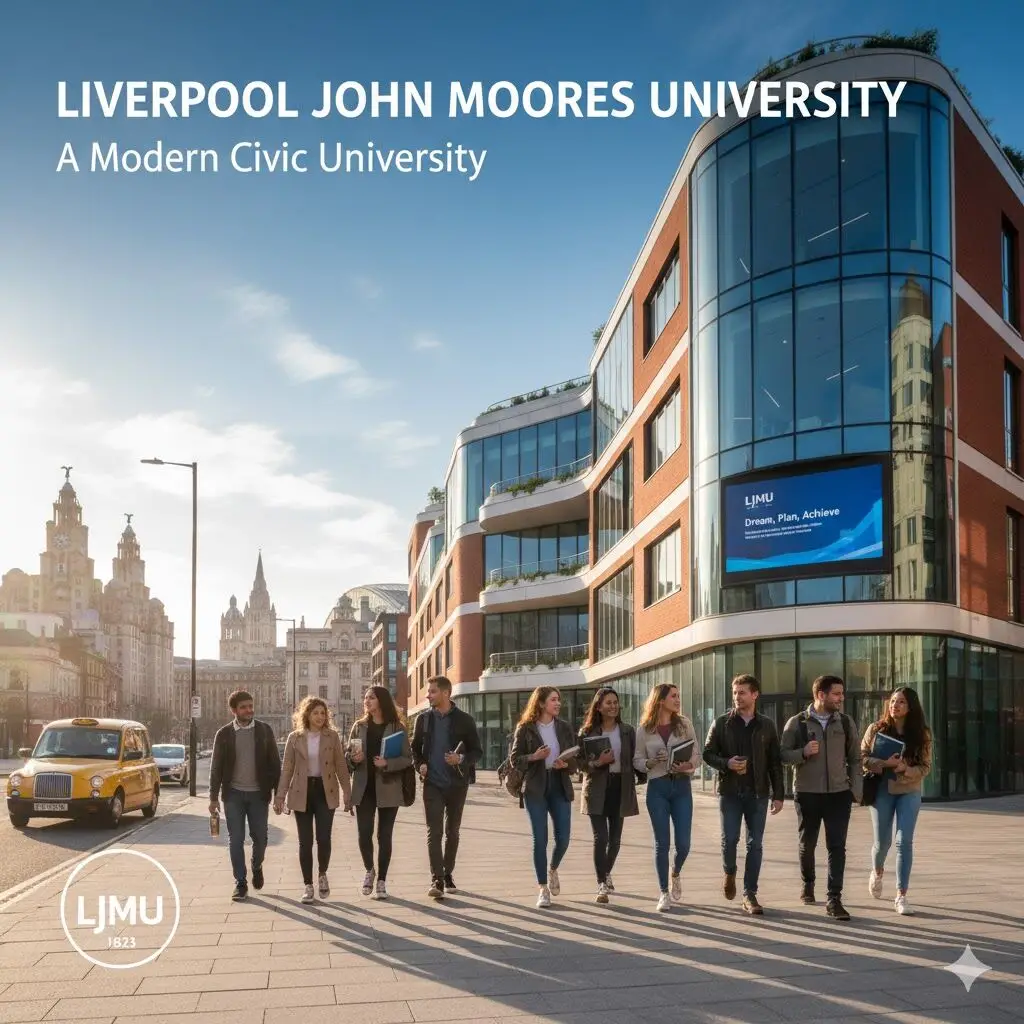
Educational Services
Apr 02, 2026
Liverpool John Moores University (LJMU): A Comprehensive Guide
The Spirit of a Modern Civic University
Liverpool John Moores University (LJMU) stands as a beacon of higher education in the heart of one of the world’s most iconic cities. Tracing its pioneering roots back to the Liverpool Mechanics' School of Arts in 1823, LJMU has evolved into a vibrant, modern institution that perfectly balances heritage with a forward-thinking mission. Today, it serves a global community of over 25,000 students from more than 100 countries, driven by the ethos of "Dream, Plan, Achieve."
As a public research university, LJMU is not just an educational provider; it is a "civic university." This means it is deeply embedded in the social and economic fabric of the Liverpool City Region, acting as an anchor institution that bridges the gap between academic theory and industry practice.
Academic Excellence and Specializations
LJMU is renowned for offering over 300 degree courses designed to empower individuals for the challenges of the 21st century. The university has earned prestigious recognition, including the TEF Silver rating for overall excellence and TEF Gold for student outcomes.
World-Leading Research Areas
The university is a global leader in several niche fields:
Sport and Exercise Sciences: Consistently ranked among the top in the UK and globally, LJMU was the first institution in the world to offer a single-honors degree in this discipline.
Astrophysics: The Astrophysics Research Institute (ARI) at LJMU is world-renowned, managing the Liverpool Telescope and contributing to groundbreaking space exploration.
Engineering and Maritime Studies: Utilizing 360° ship simulators and state-of-the-art labs, LJMU prepares graduates for high-stakes technical industries.
Forensic Science: With specialized scene-of-crime labs, LJMU offers one of the most practical forensic programs in the country.
The Liverpool Business School
Accredited by the AACSB, the Liverpool Business School provides undergraduate and postgraduate programs that emphasize real-world application, leadership, and innovation, ensuring students are world-ready.
Student Life and Campus Amenities
Located primarily near Liverpool Lime Street Station, the university's campus is integrated into the city's urban landscape. The Student Life Building at 10 Copperas Hill serves as the central hub for student services and socialization.
Facilities at a Glance
24/7 Library Access: Over 1,800 study spaces and a massive digital catalog ensure students can learn on their own schedules.
Sports Building: State-of-the-art gym facilities and indoor courts support both elite athletes and recreational fitness.
Specialist Labs: From the "Face Lab" for craniofacial reconstruction to broadcast-quality TV studios in the Screen School.
Wellbeing Support: A dedicated Student Advice and Wellbeing team provides mental health support, funding advice, and disability services.
Career Prospects and Graduate Outcomes
One of LJMU's greatest strengths is its focus on employability. Recent data from the Graduate Outcomes Survey indicates that approximately 95-97% of graduates are in work or further study within 15 months of finishing their course.
Through the "Student Futures" program, students gain access to:
Degree Apprenticeships: Combining work with academic study.
Industry Placements: Strong links with local and global businesses provide hands-on experience.
The Start-Up Hub: Support for students looking to launch their own businesses or freelance careers.
Strategic Location: Studying in Liverpool
Studying at LJMU means living in a city famed for its music, football, and maritime history. With a lower cost of living than London and a high density of museums and theaters, Liverpool offers an unrivaled student experience. The campus is a short walk from major landmarks and the vibrant Baltic Triangle.
Practical Information for Applicants
Physical Address: Student Life Building, 10 Copperas Hill, Liverpool, L3 5AH, UK.
Contact: +44 (0)151 231 2121
Email: courses@ljmu.ac.uk
Website: www.ljmu.ac.uk
Frequently Asked Questions
What is LJMU's ranking for Sport Science?
LJMU is consistently ranked in the top 10 in the UK and frequently appears in the global top 50 for Sports Science according to the QS World University Rankings by Subject.
Does LJMU offer scholarships for international students?
Yes, LJMU offers a range of international scholarships, typically in the form of tuition fee discounts for high-achieving undergraduate and postgraduate applicants.
How close is the campus to the city center?
The university is situated right in the city center. The Student Life Building is less than a 5-minute walk from Liverpool Lime Street Station.
Is accommodation guaranteed for first-year students?
Liverpool John Moores University generally guarantees high-quality, university-approved accommodation for all new students who apply by the deadline.
What are the primary teaching languages?
All courses are taught in English. Dedicated support is available for students whose first language is not English.
What makes LJMU a "civic university"?
It acts as an "anchor institution," meaning it partners with local businesses, health services, and cultural organizations to drive economic and social progress in Liverpool.
Can I work while studying at LJMU?
Yes, through "Unitemps," the university’s own recruitment agency, students can find part-time work on campus or within the city.
What are the entry requirements for undergraduate courses?
Entry requirements vary by course but generally range from 104 to 128 UCAS points. International equivalents are welcomed.
Does LJMU have a student union?
Yes, the John Moores Student Union (JMSU) represents all students and runs over 100 clubs and societies.
What is the significance of the name "John Moores"?
The university is named after Sir John Moores, a famous Liverpool businessman and philanthropist who founded the Littlewoods empire and was a major benefactor to the city’s education and arts.
London
3 Views
Article Posting
Contact us today and let us help you grow your business.
Share This Page
My Page
Scan QR to open
Barcode