
Educational Services Articles
Explore 93 business insights in all locations
Educational Services
Apr 02, 2026
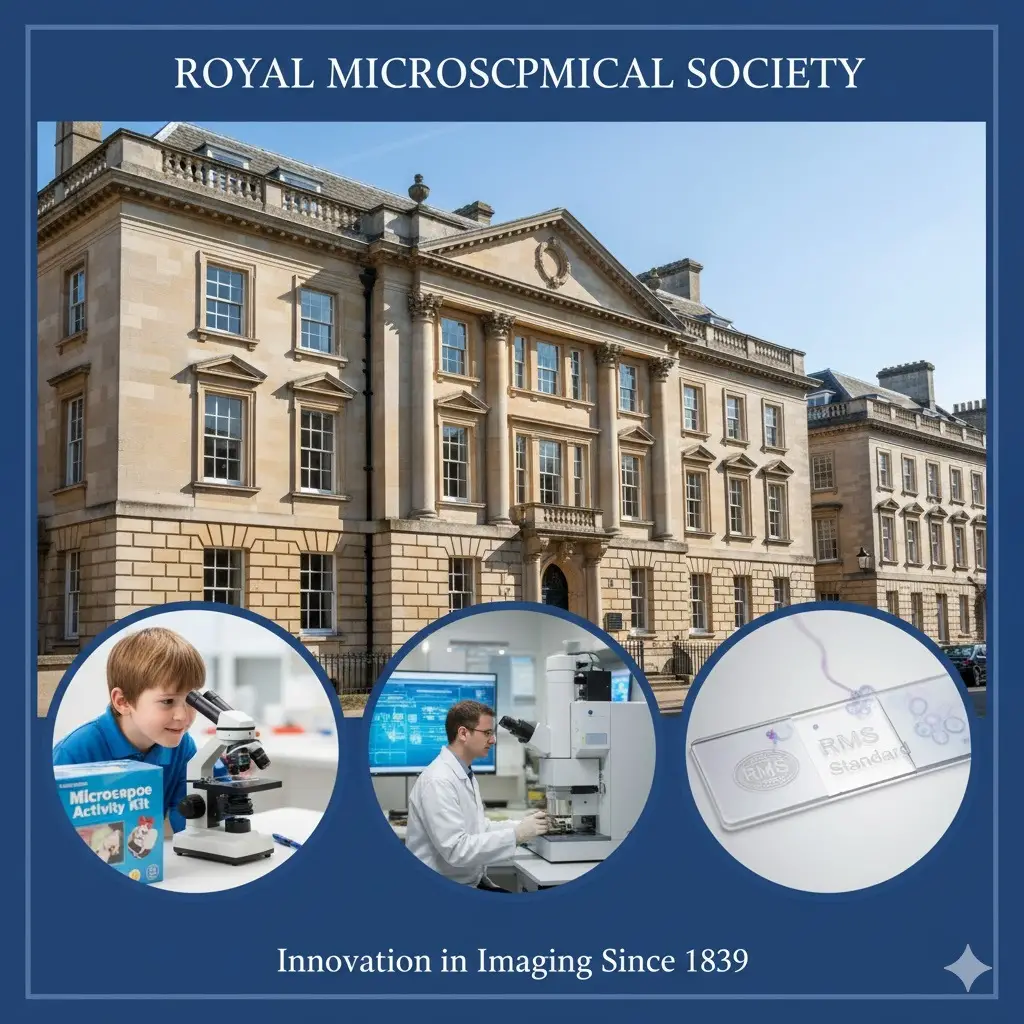
Royal Microscopical Society: A Global Hub for Imaging
Global Epicenter of Microscopy: An Introduction
The Royal Microscopical Society (RMS) stands as a monumental pillar in the global scientific community. Established in 1839, it is the oldest organization of its kind in the world, dedicated exclusively to the promotion and advancement of microscopical science. Headquartered in the historic city of Oxford, United Kingdom, the society has evolved from a small gathering of Victorian innovators into a dynamic international hub for imaging excellence.
For nearly two centuries, the Royal Microscopical Society has bridged the gap between fundamental academic research and industrial application. By fostering a collaborative platform for distinguished scientists, technologists, and enthusiasts, the society ensures that microscopy remains a cornerstone of modern discovery across life sciences, materials science, and imaging technology.
Foundations of Excellence: History and Royal Charter
The origins of the society can be traced back to September 3, 1839, when founding members Edwin Quekett and Joseph Jackson Lister met at Wellclose Square, London. Their goal was simple yet profound: to formalize a collective for "the promotion of microscopical investigation." Lister’s own research into achromatic lens systems had recently transformed the microscope from a recreational toy into a precision scientific instrument.
In 1866, the society was granted a Royal Charter (RC000788), a prestigious recognition that solidified its status as a legal entity and a leader in the field. Today, as a registered charity (241990), the RMS continues to uphold the rigorous standards of its founders while embracing the digital and nano-scale revolutions of the 21st century.
Scientific Publishing: The Journal of Microscopy and infocus
A core mission of the Royal Microscopical Society is the dissemination of high-quality research. The society manages two primary publications that are essential reading for the community:
Journal of Microscopy: This is the oldest journal dedicated to microscopy science. Peer-reviewed and globally respected, it covers everything from light and electron microscopy to scanning probe techniques and image analysis. It serves as a vital record of technological breakthroughs.
infocus Magazine: The society’s quarterly magazine provides a more conversational yet technical look at the community. It features event reports, book reviews, and "how-to" guides, keeping members informed about the latest trends and product innovations.
World-Class Events: The Microscience Microscopy Congress (mmc)
The mmc (Microscience Microscopy Congress) series is the flagship event of the RMS. Held biennially, it is one of the largest exhibitions and conferences of its kind in Europe. The event brings together thousands of delegates to witness live demonstrations of the latest equipment, attend parallel scientific sessions, and participate in the famous "Learning Zone."
The Microscience Microscopy Congress is more than just a trade show; it is a catalyst for networking. It provides early-career researchers a platform to present their posters alongside Nobel laureates, ensuring a continuous exchange of knowledge across generations.
Professional Development and Training
The Royal Microscopical Society is renowned for its extensive calendar of CPD-accredited training courses. Recognizing that the quality of an image is only as good as the operator’s skill, the RMS offers specialized workshops in:
Light Microscopy: From basic brightfield to advanced confocal and super-resolution.
Electron Microscopy (EM): Both Scanning (SEM) and Transmission (TEM) techniques.
Flow Cytometry: High-speed cell analysis and sorting.
Bioimaging: Specialized training for life science researchers.
The RMS Diploma
For professionals seeking formal recognition, the RMS Diploma offers a flexible, portfolio-based qualification. It is designed to be of a similar standard to a Master's degree, allowing technicians and researchers to validate their expertise while remaining in full-time employment.
Inspiring the Next Generation: Outreach and Activity Kits
The RMS commitment to education begins at the primary level. The society's Microscope Activity Kits are provided free of charge to primary schools across the UK. These kits contain "RMS-standard" approved microscopes, digital cameras, and curriculum-mapped activities. By allowing children to see the "hidden world" of salt crystals or insect wings, the society inspires the scientists of tomorrow. Since its inception, over 100,000 children have benefited from this outreach program.
International Standards and the "RMS Standard"
One of the most practical contributions of the society to global science is the "RMS Standard." In the 19th century, the society fixed the dimensions of microscope slides at 3 inches by 1 inch. This standard was eventually adopted worldwide, ensuring that slides produced in one corner of the globe would fit into a microscope manufactured in another. This spirit of standardization continues today through their work with international ISO committees.
Membership and Fellowship (FRMS)
Joining the Royal Microscopical Society offers unparalleled benefits. Members gain access to a global network of experts, discounted rates for conferences, and eligibility for prestigious grants and studentships. After three years of continuous membership and demonstrated contribution to the field, members can apply for the status of Fellow of the Royal Microscopical Society (FRMS), a globally recognized post-nominal that denotes professional excellence.
Technical Specializations and Committees
The society is structured into various Scientific Section Committees, each focusing on a specific niche of imaging:
Materials Science: Focusing on the microstructure of metals, polymers, and ceramics.
Life Sciences: Advancing our understanding of cellular biology and pathology.
Scanning Probe Microscopy (SPM): Exploring surface topographies at the atomic level.
Data Analysis: Addressing the modern challenge of "Big Data" in imaging.
The Royal Microscopical Society is not just a historical institution; it is a vibrant, forward-looking charity that drives innovation. Whether it is through the rigorous peer-review of the Journal of Microscopy, the massive scale of the mmc congress, or the simple joy of a child using a Microscope Activity Kit, the RMS ensures that the science of the small continues to have a massive impact on our world.
Frequently Asked Questions
1. What is the Royal Microscopical Society?
The RMS is the world's oldest scientific society dedicated to the advancement of microscopy and imaging, founded in 1839 and based in Oxford, UK.
2. Who can join the RMS?
Membership is open to anyone with an interest in microscopy, including students, professional researchers, technicians, and corporate entities.
3. What is the "RMS Standard" for slides?
It refers to the standardized size of microscope slides (3x1 inches), a dimension established by the society in the 19th century that is still the global industry standard today.
4. How can my school get a Microscope Activity Kit?
Primary schools in the UK can request a kit for free through the RMS website. The kits are loaned for a full term and include all necessary equipment and lesson plans.
5. What is the mmc series?
The Microscience Microscopy Congress (mmc) is the society's flagship international conference and exhibition, showcasing the latest in imaging technology.
6. Does the RMS offer professional certifications?
Yes, the RMS offers a CPD-accredited Diploma and various training courses. Long-term members can also achieve Fellowship (FRMS) status.
7. Is the Journal of Microscopy available to the public?
While it is a subscription-based journal, many articles are available via Open Access. RMS members receive discounted subscriptions.
8. What scientific areas does the RMS cover?
The society covers all forms of microscopy (Light, Electron, SPM), flow cytometry, image analysis, and their applications in both life and materials sciences.
9. How is the RMS funded?
As a registered charity, the RMS is funded through membership fees, journal publishing, event registrations, and donations.
10. Where is the RMS headquarters located?
The physical address is 37/38 St Clements, Oxford, OX4 1AJ, United Kingdom, near the Angel & Greyhound Meadow.
Business Snapshot
Founders: Edwin Quekett and Joseph Jackson Lister
Founded: September 3, 1839
Website: https://www.rms.org.uk
Helpdesk: +44 (0) 1865 248768
Email: info@rms.org.uk
Physical Address: 37/38 St Clements, Oxford, OX4 1AJ, UK
Social Media: LinkedIn, Twitter/X, Instagram, Facebook
London
8 Views

Educational Services
Apr 02, 2026
Connecting the UK to the World Since 1934
A Global Pillar of Cultural Relations and Education
In an increasingly interconnected world, the role of "soft power" and cultural diplomacy has never been more vital. At the forefront of this mission stands the British Council, the United Kingdom’s international organization for cultural relations and educational opportunities. Founded in 1934, the institution has spent over 90 years fostering trust, understanding, and knowledge between the people of the UK and over 100 countries worldwide.
As a registered charity and an executive non-departmental public body, the British Council serves as a bridge, transforming lives through access to the English language, high-quality education, and the arts. Whether it is a student in New Delhi aiming for a high IELTS score or a digital artist in Lagos seeking a collaborative grant, the organization provides the infrastructure for global dreams to become reality.
The Core Mission and Founding Vision
The British Council was formed by the Foreign and Commonwealth Office (FCO) with a clear mandate: to promote a wider appreciation of British culture and the English language abroad. Established on July 2, 1934, the organization operates under a Royal Charter, which ensures its independence while aligning its goals with the UK’s long-term interests in peace and prosperity.
Today, the headquarters in London, United Kingdom, oversees a massive network of 12,000+ employees. Their work is categorized into three main pillars:
English Language: Providing world-class teaching and assessment.
Education: Strengthening school systems and higher education partnerships.
Arts: Facilitating creative exchanges that celebrate diversity and innovation.
The IELTS Advantage: Opening International Doors
One of the most recognizable brands under the British Council umbrella is IELTS (International English Language Testing System). As a co-owner of the test, the organization delivers millions of exams annually, making it the world’s most popular English language proficiency test for higher education and global migration.
Why Choose British Council for IELTS?
Global Recognition: Accepted by over 12,500 organizations worldwide, including universities, employers, and immigration authorities.
Expert Preparation: Through the LearnEnglish and TeachingEnglish platforms, candidates access premium resources, mock tests, and expert-led webinars.
Testing Integrity: With state-of-the-art testing centers globally, the organization ensures a fair, secure, and professional testing environment.
Empowering Educators through Professional Development
Education is the cornerstone of sustainable development. The British Council specializes in teacher training and professional development, working directly with ministries of education to improve the quality of English instruction in schools.
By providing digital learning platforms and hosting international research collaborations, they ensure that educators are equipped with 21st-century skills. Their programs often focus on Equality, Diversity, and Inclusion (EDI), ensuring that marginalized communities have equal access to learning opportunities.
Arts and Cultural Exchange: A Creative Bridge
The organization’s arts programs are designed to showcase the best of British creativity while learning from global perspectives. From the Cultural Bridge program—which connects UK and German artistic organizations—to high-profile festivals and exhibitions, the British Council nurtures the "creative economy."
These initiatives do more than just entertain; they create jobs, stimulate tourism, and provide a platform for difficult global conversations regarding climate change, social justice, and identity.
Sustainable Impact and the 2026 Climate Strategy
As we move through 2026, the British Council has placed a significant emphasis on environmental responsibility. Their current strategy aims to reduce carbon emissions by 33% (from a 2017 baseline) with a long-term goal of reaching net zero by 2040.
Through the Climate Connection initiative, they use education and art to empower young people to lead the fight against climate change. By integrating sustainability into the English language curriculum and supporting global climate research, the organization proves that cultural relations are essential to solving the world’s most pressing challenges.
Key Business Information at a Glance
Feature
Details
Headquarters
1 Redman Place, Stratford, London, E20 1JQ
Founded
July 2, 1934
Key Services
IELTS, English Teaching, Arts Exchange, Scholarships
Social Media
LinkedIn, Twitter/X
Contact
+44 (0)161 957 7755
Official Website
britishcouncil.org
Frequently Asked Questions
1. What is the main role of the British Council?
The organization builds connections, understanding, and trust between people in the UK and other countries through English language teaching, education, and the arts.
2. How do I book an IELTS exam with them?
You can book your test directly through the official website or at one of their many global testing centers. They offer both Paper-based and Computer-delivered IELTS.
3. Is the British Council part of the UK government?
It is an executive non-departmental public body and a registered charity. While it receives some government funding, it operates at "arm’s length" to maintain its independence.
4. Can I learn English for free through their platforms?
Yes, the LearnEnglish website offers a wide range of free high-quality videos, podcasts, and interactive exercises for learners of all levels.
5. What is the "Study UK" brand?
Study UK is a global campaign managed by the British Council in partnership with the UK government to promote the UK as a premier destination for international students.
6. Does the British Council provide scholarships?
Yes, they manage prestigious scholarship programs such as the Commonwealth Scholarships, GREAT Scholarships, and various fellowships for researchers and artists.
7. How can I contact the general enquiries team?
You can reach them via email at general.enquiries@britishcouncil.org or call the helpdesk at +44 (0)161 957 7755.
8. Where is the head office located?
The global headquarters is located at 1 Redman Place, Stratford, London, near the Queen Elizabeth Olympic Park.
9. What payment methods are accepted for exams and courses?
They typically accept Credit/Debit cards, Bank transfers, PayPal, and Corporate Invoicing for partner organizations.
10. Do they support languages other than English?
While English is the primary focus, they provide multilingual support and localized content in over 100 countries to ensure accessibility for all.
The British Council remains a cornerstone of international cooperation. By blending traditional diplomacy with modern digital resources, they ensure that the UK’s cultural and educational influence continues to create positive, lasting change. For anyone looking to study, teach, or create on an international stage, the British Council is the definitive gateway to the world.
Bristol
11 Views
Educational Services
Apr 02, 2026
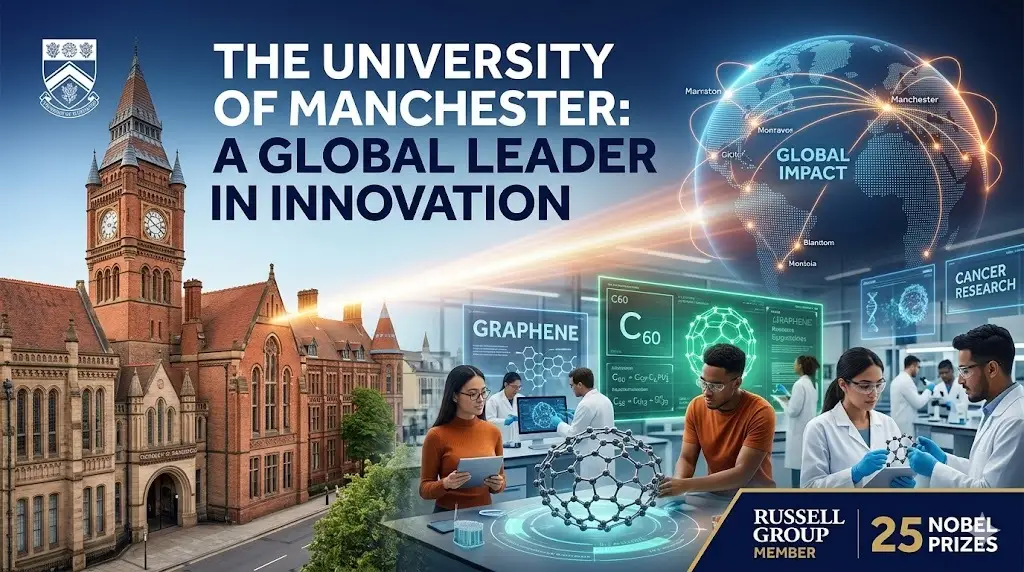
The University of Manchester: A Global Leader in Innovation
A Legacy of Excellence at The University of Manchester
The University of Manchester stands as a beacon of academic brilliance, rooted in a history that has quite literally changed the world. As a prestigious member of the Russell Group, this red-brick institution is not just a place of study; it is a global hub where the future is forged. From the splitting of the atom to the development of the world’s first stored-program computer, the heritage of The University of Manchester is synonymous with human progress.
In 2026, the university continues to lead the way, ranking 35th in the world (QS World University Rankings 2026) and maintaining its status as the most targeted university by the UK’s top graduate employers. Whether you are an aspiring undergraduate or a seasoned researcher, the Manchester University experience offers a unique blend of historical prestige and cutting-edge innovation.
World-Class Research and Innovation
Research is the lifeblood of The University of Manchester. The institution is globally recognized for its "Research Beacons"—five areas of interdisciplinary collaboration that address the world's most pressing challenges:
Advanced Materials: Home to the National Graphene Institute, Manchester is the birthplace of graphene, a material set to revolutionize industries from electronics to healthcare.
Cancer Research: In partnership with the Christie Hospital, the university is a powerhouse in the fight against cancer, integrating clinical trials with molecular biology.
Energy: Developing sustainable, low-carbon solutions to meet global net-zero targets.
Global Inequalities: Researching the roots of poverty and social injustice to create a fairer world.
Biotechnology: Utilizing biological systems to create sustainable chemicals and materials.
The Manchester Innovation Ecosystem
The launch of Unit M in late 2024 has further accelerated the university's ability to turn research into real-world impact. This ecosystem supports startups and scale-ups, ensuring that the discoveries made within university labs contribute directly to the UK economy and international society.
Academic Life and Student Experience
With over 46,000 students from 160 countries, the campus on Oxford Road is a vibrant, multicultural city within a city. The University of Manchester offers a staggering array of undergraduate and postgraduate programs across three primary faculties:
Faculty of Biology, Medicine and Health
Faculty of Science and Engineering
Faculty of Humanities
A Campus Built for the Future
The university has invested heavily in its infrastructure. The recent £30 million refurbishment of the Zochonis Building and the continued expansion of the MECD (Manchester Engineering Campus Development) provide students with state-of-the-art laboratories and collaborative study spaces.
Social Responsibility and Sustainability
Perhaps the most defining characteristic of The University of Manchester is its commitment to social responsibility. It consistently ranks 1st in the UK and Europe in the Times Higher Education Impact Rankings, which measure performance against the UN Sustainable Development Goals (SDGs).
The university has pledged to become zero-carbon by 2038, leading the higher education sector in climate action. Initiatives like the "Making a Difference Awards" celebrate the contributions of staff and students to community engagement and environmental sustainability.
Career Prospects: Why Employers Love Manchester
Graduating from The University of Manchester provides a significant competitive advantage. For several consecutive years, including 2026, it has been named the most targeted university by top graduate employers in the UK.
The Careers Advisory Service works tirelessly to connect students with industry leaders, offering internships, networking events, and the "Stellify" program, which encourages students to develop leadership skills and social awareness alongside their academic studies.
Key Information for Prospective Students
Feature
Details
Address
Oxford Road, Manchester, M13 9PL, UK
Contact
+44 (0) 161 306 6000
Email
enquiries@manchester.ac.uk
Website
manchester.ac.uk
Founded
2004 (Merger of Victoria University & UMIST)
Member
Russell Group, N8 Research Partnership
Frequently Asked Questions
1. Is The University of Manchester a good university?
Yes, it is consistently ranked among the top 50 universities globally and is a member of the elite Russell Group, known for high research standards.
2. What is the university famous for?
It is famous for 25 Nobel Prize winners, the discovery of graphene, the first stored-program computer, and pioneering work in nuclear physics.
3. What are the entry requirements?
Requirements vary by course but generally range from AAA to ABB at A-level or equivalent international qualifications.
4. How do I apply for a course?
Undergraduate applications are made through UCAS, while postgraduate applications are usually submitted directly via the university’s online portal.
5. Does the university offer scholarships?
Yes, there are numerous merit-based and need-based scholarships for both domestic and international students, such as the Global Futures Scholarship.
6. Is accommodation guaranteed?
The university offers a guarantee of managed accommodation for all new first-year international students and most UK students, provided deadlines are met.
7. Where is the main campus located?
The main campus is located on Oxford Road, just south of Manchester city center, near the Manchester Museum.
8. What is the "Stellify" program?
Stellify is a unique extracurricular program that helps students develop skills in leadership, social responsibility, and career readiness.
9. Can I work while studying?
Yes, the university’s Career Service helps students find part-time work, and the city of Manchester offers abundant opportunities in retail, hospitality, and tech.
10. What are the core values of the university?
The core values are knowledge, wisdom, and humanity, with a strong emphasis on social responsibility and environmental sustainability.
The University of Manchester is more than just an educational institution; it is a catalyst for change. By choosing to study or partner with this world-leading university, you are joining a community dedicated to solving the world’s most complex problems. From its historic halls to its futuristic laboratories, The University of Manchester remains a global leader in innovation and a powerhouse of social impact.
London
9 Views
Educational Services
Apr 01, 2026
Advancing Healthcare Through Education and Innovation
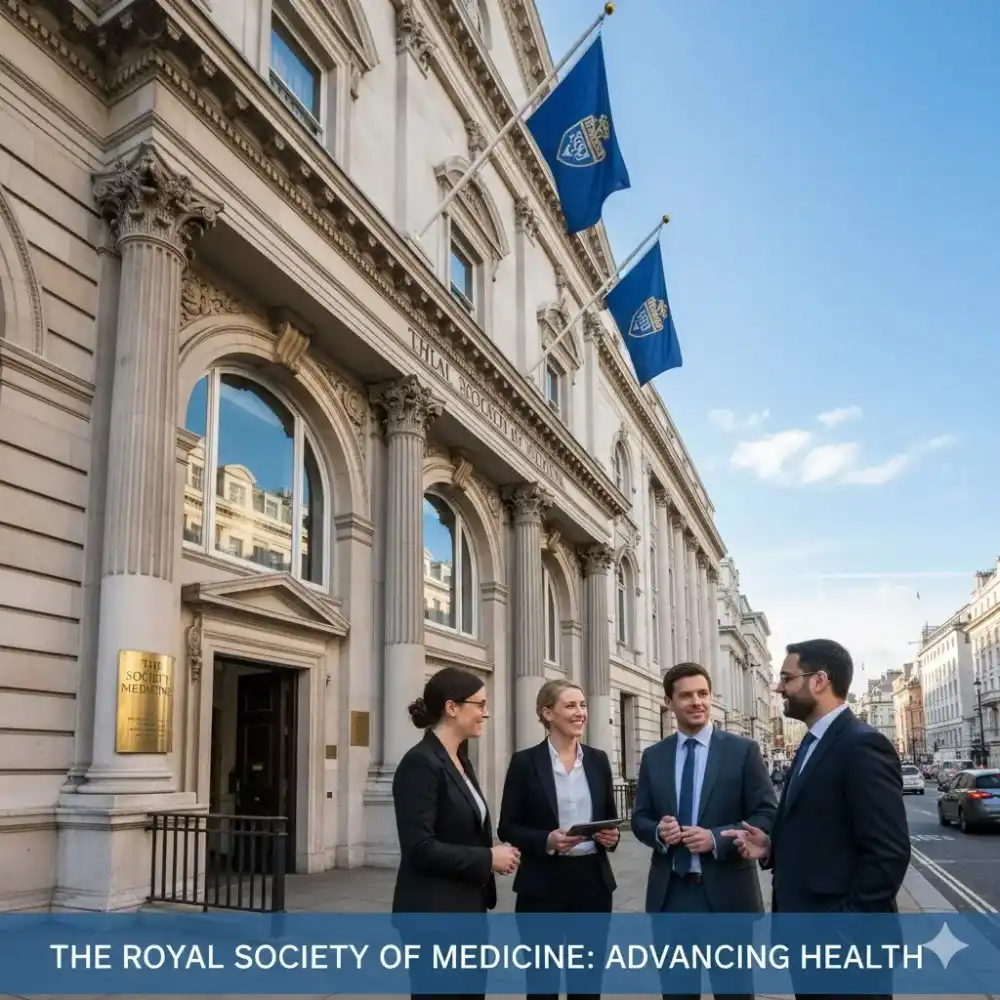
The Royal Society of Medicine (RSM) stands as one of the United Kingdom's most prestigious and influential providers of continuing medical education (CME). Founded in 1805 and established by Royal Charter, the RSM is a unique, independent, and apolitical organization dedicated to the advancement of health through education, innovation, and the exchange of multidisciplinary ideas.
Located in the heart of London’s medical district at 1 Wimpole Street, the Society serves as a neutral platform where healthcare professionals from every specialty—from students to retired consultants—can connect, share best practices, and stay at the forefront of clinical developments.
A Legacy of Excellence: The History of the RSM
The story of the Royal Society of Medicine began on May 22, 1805, when Sir William Saunders and a group of visionary clinicians founded the Medical and Chirurgical Society of London. Their mission was simple yet revolutionary: to create a space where physicians and surgeons could meet to share knowledge for the benefit of patient care.
In 1834, the Society was granted its first Royal Charter by King William IV. However, it was the Supplemental Charter of 1907 that truly defined the modern RSM, as it merged with 15 other specialist medical societies to form a comprehensive, multidisciplinary body. Today, with over 220 years of history, the RSM continues to evolve, supporting a global community of over 20,000 members.
Core Pillars of the Royal Society of Medicine
1. World-Class Continuing Professional Development (CPD)
The RSM is a cornerstone of postgraduate medical education. Each year, the Society hosts over 400 meetings, webinars, and conferences covering more than 50 medical specialties.
Specialty Sections: From Anaesthesia and Cardiology to Oncology and Telemedicine, each section is led by experts who curate high-quality educational content.
Multidisciplinary Approach: The RSM’s unique structure encourages professionals from different fields to collaborate, ensuring a holistic view of modern healthcare challenges.
CPD Accreditation: Most events are accredited for Continuing Professional Development, helping clinicians meet their annual appraisal and revalidation requirements.
2. One of the World’s Largest Medical Libraries
For researchers and clinicians, the RSM Library is an invaluable resource. It is one of the largest and most comprehensive medical libraries in Europe, offering:
Extensive Digital Access: Members enjoy 24/7 access to thousands of full-text e-journals, e-books, and major medical databases like ClinicalKey and Medline.
Physical Archives: The library at 1 Wimpole Street houses over 600,000 volumes, including rare historical texts dating back to the 15th century.
Expert Support: A dedicated team of medical librarians provides literature search services and information skills training to support clinical research and evidence-based practice.
3. The Journal of the Royal Society of Medicine (JRSM)
The JRSM is a high-impact, peer-reviewed journal that has been published continuously since 1809. It provides a platform for scholarly debate, original research, and editorials on health policy and clinical practice. As a multidisciplinary journal, it reaches a wide international audience and plays a critical role in influencing healthcare policy in the UK and beyond.
Exclusive Member Benefits: More Than Just Education
Joining the Royal Society of Medicine offers more than just academic advantages; it provides a professional home in London.
Professional Recognition
Fellows of the Society are entitled to use the prestigious post-nominal letters FRSM, signifying their commitment to the highest standards of medical education and professional development.
The RSM Club and Domus Medica
Located within the historic building at 1 Wimpole Street, the RSM Club provides a private sanctuary for members.
Dining and Socializing: The club features a fine-dining restaurant and a relaxed lounge bar, perfect for networking with colleagues or hosting guests.
Domus Medica Hotel: Members have exclusive access to the Society’s on-site boutique hotel. With 47 en-suite rooms, Domus Medica offers high-quality, competitively priced accommodation in central London, near Oxford Circus and Cavendish Square.
Global Connectivity
The RSM facilitates a global network. Through reciprocal arrangements, members can access over 50 prestigious clubs worldwide, ensuring they have a professional base whether they are in New York, Tokyo, or Sydney.
Supporting the Future of Healthcare
The RSM is a registered charity (No. 206219). Its work is funded through membership subscriptions, educational event fees, and the generous support of donors. By investing in the education of the current and future healthcare workforce, the RSM directly contributes to improved patient outcomes and medical innovation.
Contact Information
Address: 1 Wimpole Street, Marylebone, London, W1G 0AE, UK
Phone: +44 (0)20 7290 2901
Helpdesk: +44 (0)20 7290 2900
Email: membership@rsm.ac.uk
Website: www.rsm.ac.uk
Frequently Asked Questions
1. Who can join the Royal Society of Medicine?
Membership is open to healthcare professionals from all specialties, including doctors, dentists, veterinarians, nurses, and allied health professionals. We also offer dedicated categories for medical students and healthcare-related researchers.
2. What are the different membership categories?
The RSM offers several tiers: Fellowship (for senior clinicians), Associate (for healthcare professionals and PhD students), and Student membership. Each category is tailored to the individual's career stage.
3. Is the RSM part of the NHS?
No, the RSM is an independent, non-political membership organization and a registered charity. While we support the healthcare workforce, we operate independently of the NHS and the government.
4. How do I get CPD credits through the RSM?
By attending our accredited educational meetings or webinars. Certificates of attendance are provided, which can be uploaded to your professional portfolio for revalidation.
5. Can I access the RSM Library online?
Yes. RSM members have 24/7 remote access to a vast collection of digital resources, including e-journals, textbooks, and medical databases.
6. What is Domus Medica?
Domus Medica is the RSM’s private, members-only hotel located within our London headquarters at 1 Wimpole Street. It offers 47 en-suite rooms for members visiting London.
7. Does the RSM offer venue hire for external events?
Yes. Through our brand 1 Wimpole Street, we offer world-class conference and event facilities, including lecture theatres and meeting rooms equipped with the latest AV technology.
8. Can I use the post-nominals FRSM?
Only those elected as Fellows of the Royal Society of Medicine are entitled to use the post-nominal letters FRSM.
9. Are there networking opportunities for early-career doctors?
Absolutely. The RSM has a vibrant community for students and trainees, offering prizes, awards, and networking events designed specifically to support career progression.
10. How can I stay updated on upcoming RSM events?
You can visit our official website at rsm.ac.uk, subscribe to our newsletters, or follow us on social media platforms like LinkedIn, Twitter, and Instagram.
London
8 Views
Article Posting
Get Started Today to Publish an Article
Educational Services
Apr 01, 2026
Global Powerhouse of Science, Technology, Engineering, Medicine, and Business
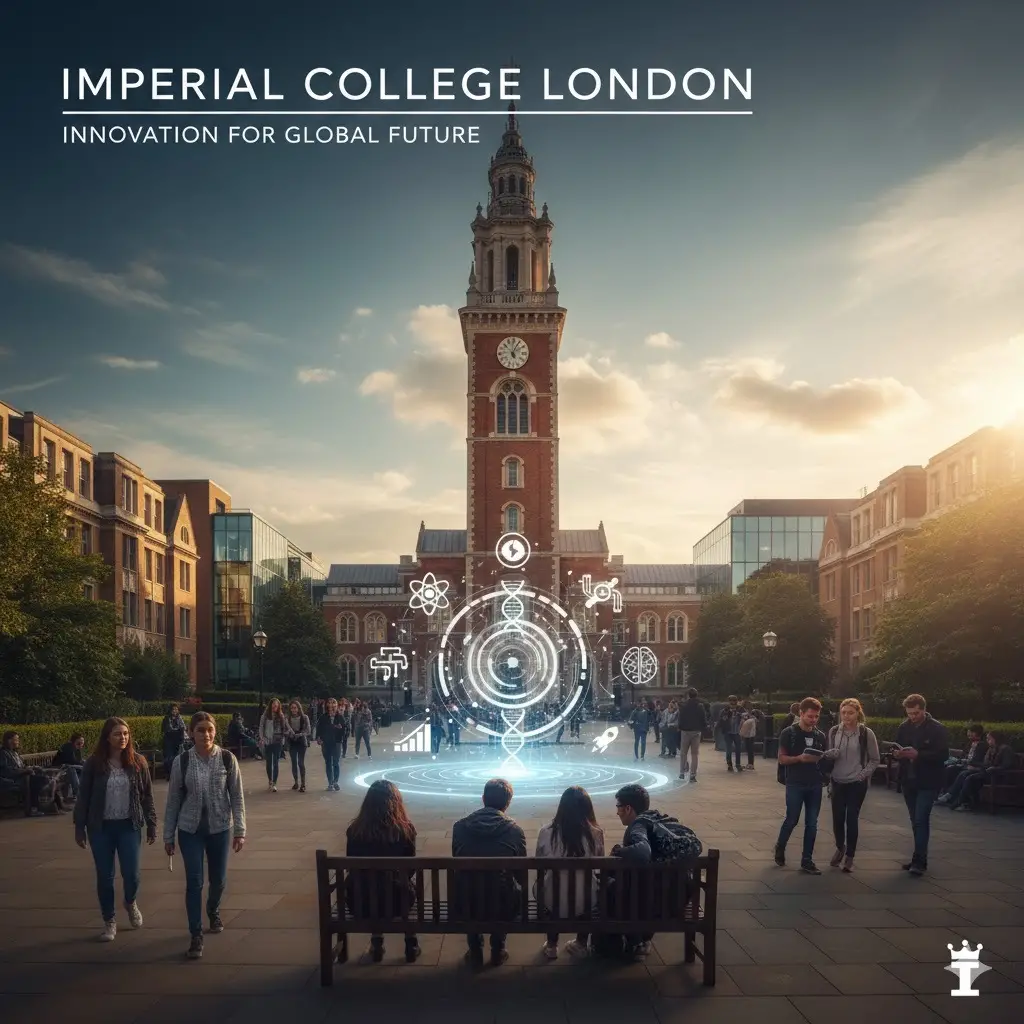
In the heart of London’s "Albertopolis"—a district dedicated to the advancement of the arts and sciences—stands Imperial College London. Officially known as the Imperial College of Science, Technology and Medicine, this institution is more than a university; it is a global engine for innovation. Founded in 1907 with a mission "To be useful," Imperial has spent over a century bridging the gap between theoretical excellence and real-world application.
Consistently ranked within the top 10 universities globally, Imperial remains the only UK university to focus exclusively on Science, Technology, Engineering, Medicine, and Business (STEMB). This specialized focus allows for a concentration of talent and resources that is unmatched, making it a primary destination for the world’s future leaders, researchers, and entrepreneurs.
The Heritage of Excellence: From Prince Albert to a Royal Charter
The story of Imperial College London is inextricably linked to the Great Exhibition of 1851. Initiated by Prince Albert, the exhibition’s success generated a surplus that was used to purchase the 86-acre estate in South Kensington. This area, now famously known as Albertopolis, became the home of the Science Museum, the Natural History Museum, the Royal Albert Hall, and eventually, the constituent colleges that formed Imperial.
Established by Royal Charter on 8 July 1907, Imperial brought together the Royal College of Science, the Royal School of Mines, and the City and Guilds College. Today, the university operates under the Royal Charter RC000231, maintaining its status as a public research university that honors its heritage while relentlessly pursuing the future.
A World-Class Academic Portfolio
Imperial College London is structured into four main faculties, each a leader in its respective field:
Faculty of Engineering
Imperial’s engineering departments are world-renowned for their rigorous curricula and pioneering research. From aeronautics and bioengineering to civil and mechanical engineering, students are immersed in an environment that prioritizes hands-on problem-solving and technical mastery.
Faculty of Natural Sciences
This faculty is the bedrock of Imperial’s scientific discovery. It encompasses departments like Physics, Chemistry, and Mathematics, producing research that ranges from the subatomic to the galactic. It is home to the Grantham Institute for Climate Change, a global leader in environmental science.
Faculty of Medicine
Ranking among the best globally, the Faculty of Medicine at Imperial is a critical player in the UK’s healthcare landscape. Through its Academic Health Science Centre (AHSC), it translates laboratory findings directly into clinical practice, driving breakthroughs in oncology, infectious diseases, and neurotechnology.
Imperial College Business School
A cornerstone of the university's "STEMB" identity, the Business School is Triple-Accredited (AACSB, AMBA, and EQUIS). It is uniquely positioned to integrate management studies with technology and entrepreneurship. Key programs include:
Full-Time and Global Online MBAs
MSc Business Analytics & AI
MSc Climate Change, Management & Finance
The White City Innovation District: A Hub for Deep-Tech
While South Kensington remains the historic heart, the White City Innovation District represents the university’s future. This multi-billion-pound campus is a platform for innovation and entrepreneurship.
Molecular Sciences Research Hub (MSRH)
A world-leading facility that breaks down departmental silos to allow chemists, biologists, and engineers to collaborate on molecular-scale solutions.
The Sir Michael Uren Hub
Focused on biomedical engineering, this hub brings together clinicians and engineers to develop life-changing medical technologies.
Imperial Enterprise
Through the White City campus, Imperial Enterprise supports the commercialization of research. With over 100 pioneering companies co-located at Scale Space and the I-HUB, Imperial provides the "talent pipeline" and the infrastructure needed to turn deep-tech ideas into scalable businesses.
Solving Global Challenges: Research and Impact
Imperial is dedicated to solving the most pressing issues of the 21st century.
Artificial Intelligence (AI) and Data Science
With the I-X initiative, Imperial is at the forefront of AI development. Research focuses on ethical AI, machine learning for healthcare, and using data to secure global supply chains.
Climate Science and Sustainable Energy
The university is a primary advocate for the green transition. From developing carbon-capture technologies to pioneering sustainable aviation fuels, Imperial’s researchers are drafting the blueprint for a net-zero future.
Global Healthcare
During the COVID-19 pandemic, Imperial’s epidemiological modeling guided global policy. Today, the focus has shifted to pandemic preparedness, antimicrobial resistance, and the application of AI in personalized medicine.
Student Life and Campus Amenities
With over 20,000 students from 140+ countries, life at Imperial is vibrant and diverse.
Libraries: The Central Library offers 24/7 access, providing a sanctuary for the university’s famously hardworking student body.
Ethos Sports Centre: Located in South Kensington, it offers world-class gym facilities, a swimming pool, and sports halls.
Imperial College Union: With over 300 clubs and societies, the Union is the heart of social life, ensuring students have a balanced experience.
Dining and Multi-faith Centres: The campus features extensive café facilities and dedicated spaces for reflection and worship, reflecting its global community.
Strategic Partnerships and Global Standing
Imperial is a member of the prestigious Russell Group, the League of European Research Universities (LERU), and the Association of Commonwealth Universities (ACU).
Its value proposition as a "critical partner to global industry" is bolstered by long-term collaborations with giants like Rolls-Royce, GSK, and Google. These partnerships ensure that research is not just academic but has a clear pathway to societal and economic impact.
Alumni: A Legacy of Innovation
The Imperial alumni network includes 14 Nobel Laureates and thousands of industry pioneers. Notable names associated with the institution include:
Sir Alexander Fleming: The discoverer of penicillin.
H.G. Wells: The legendary science fiction author.
Sir Brian May: Astrophysicist and lead guitarist of Queen.
Rajiv Gandhi: Former Prime Minister of India.
Business Operations and Accessibility
For businesses and prospective students wishing to engage with the university, Imperial maintains a streamlined operational structure:
Business Headquarter: London, United Kingdom.
Working Hours: Core hours are Monday–Friday, 9:00 AM – 5:00 PM, though the campus is a hive of 24/7 activity.
Payment and Funding: Accepted methods include Bank Transfer, Credit/Debit Cards, Flywire, and Student Loan Company (SLC) support.
Contact General Enquiries: student.hub@imperial.ac.uk or +44 (0)20 7589 5111.
Frequently Asked Questions
1. What is Imperial College London best known for?
Imperial is a world leader in Science, Technology, Engineering, Medicine, and Business (STEMB). It is particularly renowned for its high-impact research, engineering excellence, and its triple-accredited Business School.
2. Where is Imperial College London located?
The main campus is in South Kensington, London (Exhibition Road, SW7 2AZ), near the Science Museum and Royal Albert Hall. It also has a major innovation campus in White City.
3. Is Imperial College London part of the Ivy League?
No, the Ivy League is a group of universities in the United States. However, Imperial is a member of the Russell Group, which is the UK equivalent of the Ivy League, and it consistently outranks many Ivy League schools in global tables.
4. How do I contact the Imperial student hub?
The ASK Student Hub can be reached at +44 (0)20 7594 9444 or via email at student.hub@imperial.ac.uk.
5. Does Imperial offer Executive Education?
Yes, Imperial College Business School offers a wide range of Executive Education and Professional Development (CPD) programs focused on leadership, digital transformation, and finance.
6. What are the core working hours for the university administration?
Core business hours are Monday to Friday, 9:00 AM to 5:00 PM. However, research facilities and libraries are often accessible 24/7 for authorized staff and students.
7. Who founded Imperial College London?
The university was established by Royal Charter in 1907, following the vision of Prince Albert and the 1851 Commissioners to create a center for scientific and industrial education.
8. What are the accepted payment methods for tuition?
Accepted methods include Bank Transfer, Credit/Debit Cards (Visa, Mastercard), Flywire, Convera, and the Student Loan Company (SLC).
9. What is the White City Innovation District?
White City is Imperial’s newest campus, designed as a "deep-tech" hub where academics, startups, and major corporations work together to commercialize research in AI, biotech, and sustainability.
10. How many students and staff are at Imperial?
Imperial is home to over 20,000 students and approximately 8,000 staff members, making it one of the most densely populated centers of expertise in the world.
Imperial College London remains at the pinnacle of global higher education. By staying true to its mission "To be useful," it continues to attract the brightest minds to solve the world’s most complex problems. Whether you are a prospective student, a researcher, or a business partner, Imperial offers an ecosystem where innovation isn't just a goal—it’s the daily reality.
London
5 Views

Educational Services
Apr 01, 2026
Definitive Guide to Indian Boarding Schools for UK Families
Bridging the Gap to Global Excellence
In an era where global boundaries are blurring, the quest for the perfect education often leads parents back to their roots—or towards emerging global powerhouses. For the Indian diaspora and international families in the United Kingdom, India’s Premier Education Expo (IPEX), also widely known as the Premier Schools Exhibition, has emerged as the definitive gateway to world-class academic opportunities.
Organized by Afairs Exhibitions & Media, led by the visionary Sanjeev Bolia, this expo is more than just an event; it is a cultural and academic bridge. Since its inception in 2004, and its successful UK launch in 2018, IPEX has facilitated thousands of success stories by connecting prestigious Indian boarding schools and universities with students in London, Birmingham, Manchester, and beyond.
Why Indian Education? The "Vishwa Guru" Standard
The concept of India as a "Vishwa Guru" (Global Teacher) is not merely a historical reference but a modern reality. Indian educational institutions are increasingly blending "heritage" values—discipline, resilience, and cultural groundedness—with "new-age" technology and global curricula like the IB (International Baccalaureate), Cambridge (IGCSE/A-Levels), and CBSE.
The IPEX Value Proposition – Why You Must Attend
Attending an education expo can feel overwhelming, but IPEX is designed to be a "one-stop platform." Here is why it stands out in the competitive landscape of UK education fairs:
1. Direct Access to Decision Makers
Unlike browsing websites, IPEX allows you to have face-to-face interactions with Institution Heads, Boarding House Parents, and Admission Directors. This direct line of communication ensures that your specific concerns—ranging from pastoral care to dietary requirements—are addressed by those who actually run the schools.
2. On-Spot Admission Assessments
Time is a luxury for busy London families. IPEX streamlines the admission journey by offering on-spot assessments. Students can undergo preliminary interviews or aptitude tests, providing a clear path to enrollment without the need for multiple international trips during the initial phase.
3. Scholarship and Financial Guidance
Education is an investment. The expo features dedicated workshops on scholarships and financial aid, ensuring that the best Indian education remains accessible to talented students.
Navigating the Curricula – IB vs. Cambridge vs. CBSE
One of the primary challenges for NRI parents is deciding which academic board fits their child’s long-term goals. IPEX showcases a diverse range of options:
International Baccalaureate (IB): Ideal for students looking for a holistic, inquiry-based approach that is recognized by top universities in the US and UK.
Cambridge International: Renowned for its rigorous academic standards and focus on deep subject knowledge.
CBSE (Central Board of Secondary Education): Perfect for families who want a strong foundation in Science and Mathematics, often preferred by those considering competitive exams in India or traditional academic excellence.
The Legacy of Afairs and Sanjeev Bolia
The success of the Premier Schools Exhibition is deeply rooted in the expertise of its parent company, Afairs. Founded by Sanjeev Bolia, Afairs has spent over two decades mastering the art of the "Education Marketplace." With an ISO 9001:2015 Certification and membership in the IEIA (Indian Exhibition Industry Association), the organization brings a level of professionalism and trust that is unparalleled in the sector.
Life at an Indian Boarding School – A Holistic Ecosystem
For a student from the UK, moving to a boarding school in India is a life-changing experience. IPEX focuses on schools that offer more than just classrooms:
Pastoral Care and Safety
Modern Indian boarding schools prioritize emotional well-being. With dedicated counselors and a "home away from home" philosophy, these schools ensure that international students settle in smoothly.
State-of-the-Art Amenities
Expect to find Olympic-sized swimming pools, professional-grade cricket academies, robotics labs, and organic farms. IPEX brings schools that have invested millions in creating world-class infrastructure.
Cultural Grounding
For NRI parents, a primary motivator is often the desire for their children to stay connected to Indian values, languages (English, Hindi, Punjabi, Gujarati), and heritage.
Contact Information
Operational HQ: Kolkata, West Bengal, India
UK Regional Office: Suite 10, London Business Center, 124 City Road, London, EC1V 2NX
Landmark: Near Old Street Station
UK Support: +44 20 7123 4567
Global HQ: +91 98310 00000
Mobile/WhatsApp: +44 7700 900123
Email: uk-info@afairs.com
Website: www.premierschoolsexhibition.com
Section 6: Practical Information for Visitors
Venues: Major cities including London, Birmingham, and Manchester.
Support: Multilingual support in English, Hindi, Punjabi, and Gujarati.
Amenities at Venue: Free Wi-Fi, Counseling Lounges, and Refreshment Areas.
Payment for Bookings: Secure methods including Bank Transfer, Stripe, and PayPal.
Empowering Your Child’s Future
The choice of a school is perhaps the most significant decision a parent makes. India’s Premier Education Expo simplifies this complexity. By bringing the finest of India to the heart of the UK, IPEX ensures that your child doesn't just get a degree, but an education that prepares them for a globalized world while keeping them rooted in their identity.
Frequently Asked Questions
1. What is IPEX?
IPEX (India’s Premier Education Expo) is the UK's leading exhibition showcasing top-tier Indian boarding schools and universities to international and NRI families.
2. Is there an entry fee for the exhibition?
Entry is typically free for parents and students, though pre-registration on the website is highly recommended to avoid queues.
3. Which cities in the UK does the Expo visit?
The Expo operates in major hubs including London, Birmingham, and Manchester.
4. Can my child get admission on the spot?
Yes, many participating schools offer on-spot admission assessments and conditional offer letters based on the student's performance and academic records.
5. What curricula are offered by the participating schools?
Schools offer a variety of boards including IB, Cambridge (IGCSE/A-Levels), CBSE, and ICSE.
6. Are there scholarships available?
Many institutions provide merit-based and need-based scholarships. Specific guidance on these is provided during the expo.
7. Who is the founder of this exhibition?
The exhibition is organized by Afairs Exhibitions, founded and led by Mr. Sanjeev Bolia.
8. Is the exhibition only for boarding schools?
While the focus is heavily on K-12 boarding schools, the expo also features leading technology-driven universities and higher education institutions.
9. How do I contact the UK helpdesk?
You can reach the UK support team at +44 20 7123 4567.
10. Do I need to bring any documents to the Expo?
It is advisable to bring the student's last two years of academic transcripts, a passport-sized photograph, and any standardized test scores for on-spot assessments.
London
5 Views

Educational Services
Apr 01, 2026
Bridging Silicon Valley Innovation with Oxford’s Academic Tradition
Leland Stanford Junior University: A Global Beacon of Excellence in the United Kingdom
Stanford University, officially known as The Leland Stanford Junior University, stands as a titan of global higher education. While its heart beats in the "Farm" of Palo Alto, California, its influence extends deeply into the historic corridors of the United Kingdom. Operating primarily through the Bing Overseas Studies Program (BOSP) and the Stanford Foundation (UK), the university has established a prestigious academic base at 65 High Street, Oxford.
This presence is not merely a satellite office; it is a rigorous academic ecosystem. It represents a unique synthesis of two worlds: the disruptive, forward-thinking innovation of Silicon Valley and the centuries-old, disciplined academic traditions of the University of Oxford.
A Legacy of Purpose: From Palo Alto to Oxford
Founded on November 11, 1885, by Leland and Jane Stanford in memory of their only child, the university was designed to "promote the public welfare by exercising an influence on behalf of humanity and civilization." By the 1950s, this mission crossed the Atlantic with the establishment of the UK program, recognizing that global challenges require a global perspective.
In the UK, Stanford serves as a vital bridge for:
Undergraduate Excellence: Providing Stanford students with immersive tutorial-based learning that mirrors the traditional British academic experience.
High-Level Research: Facilitating transatlantic scholarly exchange in science, humanities, and social sciences.
Alumni Engagement: Supporting a robust network of over 10,000 graduates residing in Great Britain through the Stanford Club of Great Britain.
The Montag Center for Overseas Studies: 65 High Street
Located near the iconic Magdalen College and the Examination Schools, the Montag Center for Overseas Studies (often referred to as Stanford House) serves as the primary hub for Stanford in Oxford. Since 1984, the university has occupied these historic premises, which have been expanded to include 65–70 High Street. This facility provides students and faculty with:
Academic Infrastructure: Dedicated Research Libraries, a computer cluster, and seminar rooms designed for intensive intellectual inquiry.
Student Life Hub: A lounge, music room, and six kitchenettes that foster a close-knit community among the 45 students admitted each quarter.
Modern Amenities: High-Speed Wi-Fi and updated lecture facilities integrated within a building that dates back to the 19th century.
Academic Specializations and Global Impact
Stanford’s UK operations are distinguished by their specialization in fields that define the modern era while honoring classical inquiry.
1. The Oxford Tutorial System: The Gold Standard of Learning
The hallmark of the Stanford-in-Oxford experience is the tutorial. Students engage in one-on-one or two-on-one sessions with scholars from the University of Oxford. This method is often described by students as the most challenging yet rewarding academic experience of their undergraduate careers.
Rigorous Workload: Students typically spend 20 hours per week on their primary tutorial, which involves writing a 2,000-word essay every week for eight weeks.
Socratic Dialogue: The hour-long tutorial is devoted to a high-level discussion where the student must defend their thesis against the critique of a specialist tutor.
Diverse Subjects: While many focus on History, English, and Politics, students can choose from over 800 existing undergraduate classes offered by the University of Oxford, ranging from Biochemistry to Classical Archeology.
2. Transatlantic Research Collaborations
Stanford faculty in the UK collaborate with British counterparts to address global issues, particularly in the realm of Artificial Intelligence and Global Geopolitics. The Stanford Foundation (UK) Limited (Registration No. 14435141) plays a pivotal role in this by:
Grant Making: Facilitating funds to support ongoing research and training across Stanford’s graduate and professional schools.
Scholarly Exchange: Hosting visitor programs that bring European researchers to Stanford and vice versa.
Institutional Ties: Maintaining partnerships with organizations like the Rhodes Trust and the Association of American Universities (AAU).
3. Executive Education and Stanford Online
For professionals in the UK and Europe, Stanford offers world-class Executive Education and Global Innovation certifications through Stanford Online.
Stanford LEAD: A flagship online business program that connects a global community of changemakers.
Blended Learning: Programs like the Stanford Executive Program (Flex) allow senior leaders in the UK to combine online modules with in-person immersions in Palo Alto.
Professional Advancement: These courses are highly sought after in the UK market for those looking to advance into C-suite roles without pausing their careers.
The Student Experience: Living and Learning in Oxford
Studying at Stanford in Oxford is about more than just academics; it is about total immersion in the "City of Dreaming Spires."
Housing and Integration
Stanford students at the Oxford Center are affiliated with one of several Oxford colleges (such as Magdalen, Brasenose, or Corpus Christi). This affiliation allows them to:
Dine in Hall: Eat alongside Oxford students, participating in the "formal hall" tradition.
Join Societies: Access Oxford University’s vast array of student clubs, from rowing at the Boat Club to debating at the Oxford Union.
Junior Common Room (JCR) Access: Use the social spaces and attend events organized by their host colleges.
The Required Curriculum: "A Model Island"
Every student in the program takes the core course ENGLISH 66: A Model Island. This course provides the cultural and historical context necessary to understand Britain’s place in the world, exploring themes of empire, identity, and the "Special Relationship" with the United States.
Bridging Innovation and Tradition: The Value Proposition
The "Stanford in the UK" value proposition is a masterclass in cross-pollination. It offers students the opportunity to experience the Silicon Valley mindset—characterized by risk-taking and rapid innovation—within the framework of Oxford’s deep-rooted scholarly discipline.
This synergy creates "Global Citizens" who are:
Analytically Sharp: Capable of independent research and rigorous argumentation developed through the tutorial system.
Culturally Fluent: Able to navigate the nuances of British and European society.
Innovatively Driven: Carrying the Stanford spirit of "Die Luft der Freiheit weht" (The wind of freedom blows) into traditional European spaces.
Business Information & Contact Details
Name: Stanford University (The Leland Stanford Junior University)
Primary UK Base: 65 High Street, Oxford, OX1 4EL, United Kingdom
Business Registration: Stanford Foundation (UK) Limited (No. 14435141)
Business Helpdesk Number: +44 (0) 1865 251193
Email: oxford@bosp.stanford.edu
Website: https://www.stanford.edu
Working Hours: Monday – Friday, 9:00 AM – 5:00 PM (Office Hours)
Accreditation: WASC Senior College and University Commission (WSCUC)
Frequently Asked Questions
1. Is Stanford University in the UK a separate degree-granting institution?
No. Stanford’s UK presence primarily facilitates study abroad for current Stanford undergraduates and supports research collaborations. Degrees are awarded by Stanford University in California.
2. Can non-Stanford students apply to the Oxford program?
The Bing Overseas Studies Program (BOSP) is designed specifically for enrolled Stanford University undergraduates. However, professionals can access Stanford's curriculum via Stanford Online or Executive Education programs.
3. What is the Stanford Foundation (UK)
? It is a UK-registered dual-qualified charity that provides a vehicle for UK and UK/US dual residents to make tax-efficient donations. Its main purpose is grant-making to advance education at Stanford and partner institutions.
4. How many students attend the Oxford Center?
The center accommodates approximately 45 students per quarter, ensuring an exclusive and high-touch academic environment.
5. Does Stanford provide financial aid for the UK program?
Yes. Since students remain enrolled at Stanford, their regular financial aid applies to the Oxford program, often adjusted to cover local room, board, and travel costs.
6. What are the prerequisites for the Oxford program?
There are no specific subject prerequisites, but students are required to take the "English 66: A Model Island" course either before or during their time in Oxford.
7. How do tutorials differ from standard Stanford classes?
Standard Stanford classes often use lectures and seminars. The Oxford tutorial is a one-on-one (or small group) meeting with a specialist where the student presents an essay they researched independently during the week.
8. Can I visit the Stanford Center at 65 High Street?
The center is primarily an academic facility. High-level visits or academic inquiries should be directed to the office at +44 (0) 1865 251193.
9. Are there opportunities for internships in the UK?
Yes, BOSP occasionally facilitates internships or research opportunities for students as part of their academic experience in the UK.
10. How does Stanford collaborate with the University of Oxford?
Stanford collaborates through shared faculty, research grants, and by providing Stanford students with "Visiting Student" status at various Oxford colleges.
London
15 Views

Educational Services
Apr 01, 2026
Ultimate Guide to the World’s Leading Chartered Accountancy Body
The Pillar of Global Accountancy
The Institute of Chartered Accountants in England and Wales (ICAEW) stands as a beacon of excellence in the global financial landscape. With over 200,000 members and students worldwide, it is not merely a professional membership organization but a cornerstone of the global economy. Founded by Royal Charter in 1880, ICAEW has spent over 140 years defining the standards of the accountancy profession, promoting technical expertise, and advocating for the public interest.
Headquartered at the historic Chartered Accountants' Hall in London, ICAEW bridges the gap between traditional professional values and the rapid digital transformation of the 21st-century finance world.
The Heritage of Excellence: A History Since 1880
The origins of ICAEW are rooted in the industrial revolution. As businesses grew in complexity, the need for transparent, professional financial reporting became paramount.
The Royal Charter
On 11 May 1880, Queen Victoria granted the Royal Charter that officially established the Institute. It was formed through the incorporation of five provincial societies, including the Institute of Accountants in London led by William Quilter, the first President.
Milestones of Inclusion and Growth
1920: Mary Harris Smith became the first woman to be admitted as a chartered accountant in the world, marking a significant step toward gender equality in the profession.
1957: A landmark merger with the Society of Incorporated Accountants solidified ICAEW’s dominance as the primary body for accountants in the UK.
2025 and Beyond: Today, ICAEW is a founding member of Chartered Accountants Worldwide (CAW) and the Global Accounting Alliance (GAA), ensuring that the "ACA" designation is recognized in every major financial market.
The ACA Qualification: The Gold Standard
The ACA (Associate Chartered Accountant) is widely regarded as one of the most advanced learning and professional development programs available. It is designed to create business leaders, not just number-crunchers.
The Four Components of the ACA
To qualify as an ICAEW Chartered Accountant, students must complete four integrated elements:
Professional Development: Honing skills in communication, teamwork, and decision-making.
Ethics and Professional Scepticism: Ensuring every member acts with integrity and objectivity.
Practical Work Experience: 450 days of on-the-job training with an Authorized Training Employer (ATE).
15 Accountancy, Finance, and Business Modules: Rigorous examinations divided into three levels.
The Three Exam Levels
Certificate Level: Six modules covering the fundamentals (Accounting, Law, Principles of Taxation, etc.).
Professional Level: Six modules focused on application (Business Planning, Financial Management, Audit and Assurance).
Advanced Level: The final three modules (Corporate Reporting, Strategic Business Management, and the Case Study), testing the ability to solve complex, real-world business problems.
The Digital Evolution: Next Generation ACA
As the business world evolves, so does the ICAEW curriculum. Starting in September 2025, ICAEW is launching the "Next Generation ACA." This update represents one of the most significant shifts in the qualification's history, designed to equip future chartered accountants with the tools to lead in a technology-driven landscape.
Key enhancements include:
AI and Data Analytics Integration: Students will learn to harness artificial intelligence for predictive auditing and financial modeling.
Specialized Learning Paths: Greater flexibility for students to focus on areas like sustainability assurance, technology, or advanced tax during their final stages.
Digital Learning Materials: Moving toward a fully digital learning experience through partners like BibliU, ensuring materials are accessible and updated in real-time.
Membership Benefits: Beyond the Letters
Becoming an ICAEW member provides a lifetime of professional support. Whether you are an ACA (Associate) or an FCA (Fellow), the resources available are world-class.
The Library and Information Service
Based at Moorgate Place, the ICAEW Library is one of the most comprehensive accounting and finance libraries in the world. It provides members with:
Access to over 60,000 books and hundreds of journals.
Online databases like Croner-i and LexisNexis.
Bespoke research services for technical and historical inquiries.
Continuing Professional Development (CPD)
ICAEW ensures its members remain at the cutting edge through mandatory CPD. The organization provides:
Technical Advisory Services: Expert help on tax, audit, and ethics.
Faculties and Communities: Specialized groups for sectors like Corporate Finance, Tax, and Financial Services.
Global Networking: Events held at One Moorgate Place and across regional offices in Asia, the Middle East, and Europe.
Diversity, Inclusion, and Social Mobility
ICAEW is committed to the belief that the accountancy profession should be open to everyone, regardless of their background. Their Diversity and Inclusion strategy focuses on:
Social Mobility: Partnering with schools and universities to attract talent from underrepresented socioeconomic groups.
The ICAEW Foundation: Providing bursaries to students in the UK and internationally who face financial barriers to education.
Equitable Recruitment: Offering resources to employers to help mitigate unconscious bias in the hiring and onboarding processes.
Supporting Small and Medium Practices (SMPs)
While ICAEW works closely with the "Big Four," a significant portion of its membership belongs to Small and Medium Practices (SMPs). ICAEW provides tailored support to help these firms thrive:
Regulatory Guidance: Helping smaller firms navigate complex changes in International Standards on Auditing (ISAs) and local audit reforms.
Talent Strategy: Providing insights on how smaller practices can compete for top finance talent by offering flexibility, purpose-driven work, and attentive training.
Practice Assurance: A quality assurance scheme that helps firms maintain the highest standards of client service and professional conduct.
Professional Standards and Ethics
Integrity is the core of the ICAEW brand. The Professional Standards Department (PSD) operates as an independent regulator to protect the public interest.
The Code of Ethics
Every member must adhere to the ICAEW Code of Ethics, which is based on five fundamental principles:
Integrity: Being straightforward and honest.
Objectivity: Avoiding bias and conflicts of interest.
Professional Competence and Due Care: Maintaining knowledge and skill.
Confidentiality: Respecting the privacy of client information.
Professional Behavior: Complying with laws and avoiding actions that discredit the profession.
Wellbeing and the "caba" Charity
Recognizing the high-pressure nature of the finance profession, ICAEW members and students have access to caba, the dedicated charity for ICAEW chartered accountants.
Mental Health Support: Providing free, confidential counseling and talking therapies for stress, anxiety, and burnout.
Financial Assistance: Means-tested grants for those facing hardship, covering essential living expenses or membership fees.
Career Coaching: Helping members return to work after career breaks or navigate redundancy.
One Moorgate Place: A Landmark for Members
The physical home of ICAEW is Chartered Accountants' Hall, a Grade II listed building near Moorgate Station. Known commercially as One Moorgate Place, it serves several functions:
Member Business Centre: A modern space for work and meetings with free Wi-Fi.
The Club: A private member lounge and dining area.
Event Space: A venue for high-profile conferences, weddings, and corporate dinners.
Global Reach and Brand Association
ICAEW is more than a UK body; it is a global force. Through its association with Chartered Accountants Worldwide, ICAEW connects over 1.8 million members and students globally.
Key Brands under ICAEW:
ACA: The premier qualification.
BFP (Business and Finance Professional): A newer designation for those in the broader finance sector.
Economia: ICAEW’s flagship business publication, providing insights into economics and policy.
The Future: Sustainability and Technology
ICAEW is a leader in the "Net Zero" transition. The institute advocates for sustainable business practices and high-quality ESG (Environmental, Social, and Governance) reporting. Furthermore, the "Next Generation ACA" (launching in late 2025) integrates AI and data analytics into the syllabus to prepare students for the future of work.
Frequently Asked Questions
1. What does ICAEW stand for?
It stands for the Institute of Chartered Accountants in England and Wales.
2. How long does it take to qualify for the ACA?
Typically, it takes between three and five years to complete the 15 exams and the 450 days of practical work experience.
3. What is the difference between an ACA and an FCA?
An ACA is an Associate member. After ten years of membership and meeting specific professional requirements, a member can apply to become a Fellow (FCA), reflecting their seniority and experience.
4. Where is the ICAEW headquarters located?
Chartered Accountants' Hall, Moorgate Place, London, EC2R 6EA, United Kingdom.
5. Can I join ICAEW if I live outside the UK?
Yes, ICAEW has a massive international presence with offices in Singapore, Vietnam, China, and the UAE. Many international bodies have "Reciprocal Membership Agreements" with ICAEW.
6. What are the contact details for general inquiries?
You can reach them at +44 (0)20 7920 8100 or via email at generalenquiries@icaew.com.
7. Does ICAEW provide support for small practices?
Yes, through its "Practice Assurance" scheme and dedicated technical helplines, ICAEW provides extensive resources for sole practitioners and small firms.
8. Is the ACA qualification the same as a degree?
While not a university degree, the ACA is considered a Master’s-level (Level 7) qualification in terms of academic rigor and professional standing.
9. What amenities are available at Chartered Accountants' Hall?
Members have access to the Business Centre, the Library, the One Moorgate Place Club, event rooms, and free Wi-Fi.
10. How does ICAEW regulate its members?
Through the Professional Standards Department, which monitors compliance, handles complaints, and ensures all members follow the Code of Ethics and CPD requirements.
London
12 Views
Article Posting
Sign In to Submit Your Content

Educational Services
Apr 01, 2026
International Corporate Training London
In an era where the global economy shifts at the speed of thought, the "skills gap" is no longer a buzzword—it is a business-critical challenge. For organizations aiming to maintain a competitive edge, the solution lies in continuous, high-impact learning. BMC Training and Development Ltd stands at the forefront of this educational revolution, serving as a premier provider of international corporate training solutions.
Who is BMC Training and Development?
Founded on May 31, 2019, and headquartered in the heart of London, BMC Training and Development (Brand Name: BMC) has rapidly ascended to become a trusted partner for Fortune 500 companies and government entities alike.
Operating from its central hub near the iconic Paddington Central and Baker Street Station, BMC combines British academic rigor with a pragmatic, global perspective. With a specialization in International Corporate Training, the firm bridges the gap between theoretical knowledge and real-world application.
The BMC Advantage: Why Professionals Choose Us
What differentiates a "training course" from a "transformation"? At BMC, the focus is on the latter. Our value proposition is built on three pillars:
1. Expert-Led Instruction
We don't just hire trainers; we collaborate with industry veterans. Our instructors bring decades of hands-on experience in Finance, Engineering, and Human Resources, ensuring that the content is grounded in current market realities.
2. Culturally Adaptable Content
With secondary hubs in Dubai and a strong presence across Europe and Asia, our curriculum is designed to be inclusive. We support English, Arabic, and French, making our programs accessible to a diverse international workforce.
3. Measurable ROI
Every course, from Project Management to Technical Engineering, is designed with "Action Plans." Participants leave not just with a certificate, but with a blueprint for implementation that drives immediate business results.
Core Training Categories
BMC offers an extensive portfolio of over 500 short courses and executive workshops. Our primary specializations include:
Management & Leadership: Navigating the complexities of 2026 requires agile leadership. Our programs focus on emotional intelligence, strategic decision-making, and change management.
Finance & Budgeting: From "Finance for Non-Financial Managers" to advanced "Corporate Valuation," we demystify the numbers.
Technical & Engineering: Specialized workshops covering Maintenance, Oil & Gas, and Civil Engineering standards.
HR & Soft Skills: Building the "human" side of the business through talent management and conflict resolution.
Modern Amenities & Learning Environment
We believe the environment is a catalyst for learning. Our London training facilities offer:
State-of-the-art Technology: High-speed Wi-Fi and digital interactive tools.
Full Hospitality: Gourmet refreshments and lunch provided daily to facilitate networking.
Post-Course Support: Access to our Knowledge Resource Centre and 24/7 support lines.
Digital Certification: Instantly verifiable, blockchain-secured certificates upon completion.
Corporate Information
Feature
Details
Official Name
BMC Training and Development Ltd
Headquarters
Flat 1, 3-8 Porchester Gate, London, W2 3HW
Website
www.bmctraining.com
Contact Number
+44 20 7724 1157
Certifications
ISO 9001:2015 Certified
Payment Methods
Bank Transfer, Visa/Mastercard, Corporate Invoicing
Frequently Asked Questions
1. Where is BMC Training located in London?
Our registered office is at Porchester Gate, and we frequently host sessions in modern facilities near Paddington Central and Baker Street, ensuring easy access via the London Underground.
2. Are your certificates internationally recognized?
Yes. BMC is ISO 9001:2015 certified and our programs are accredited by various international awarding bodies, making our digital certificates a valuable asset for your CV.
3. Do you offer training outside of the UK?
Absolutely. We have a significant presence in Dubai (Business Bay) and offer public and in-house courses across Europe, the Middle East, and Asia.
4. Can I customize a course for my specific company?
Yes, we specialize in Tailored In-House Training. We can adapt the syllabus, case studies, and duration to meet your organization's specific goals.
5. What languages are the courses conducted in?
We offer full support in English, Arabic, and French to accommodate our global clientele.
6. What are your working hours?
Our support desk and offices are open Monday to Friday, 9:00 AM – 5:00 PM (GMT). We also provide a 24/7 support line for urgent enquiries.
7. What is included in the course fee?
The fee typically includes expert instruction, all course materials, modern facility access, lunch/refreshments, and post-course support.
8. How do I pay for my registration?
We accept Bank Transfers, Credit/Debit Cards (Visa, Mastercard), and Corporate Invoicing for registered businesses.
9. Are there any prerequisites for your courses?
While most short courses are open to all, some advanced Engineering or Finance workshops may require a foundational understanding of the subject.
10. How do I contact the helpdesk?
You can reach our London helpdesk at +44 20 7724 1157 or email us at info@bmctraining.com.
Final Thought
In the competitive landscape of 2026, staying stationary is the same as falling behind. BMC Training and Development Ltd provides the tools, the expertise, and the global network to ensure you and your organization are always moving forward.
Ready to transform your career? Visit bmctraining.com today.
London
7 Views
Share This Page
My Page
Scan QR to open
Barcode