
Integrating Your Website with Freight Listings
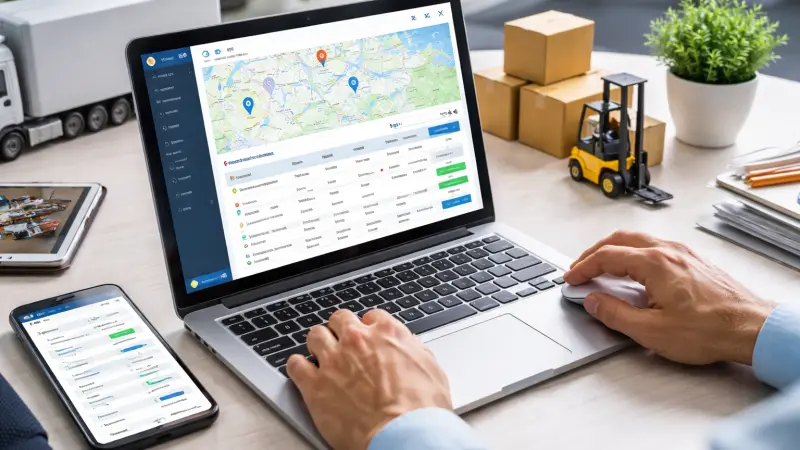
Imagine a haulier with 20 lorries sitting idle on a Tuesday afternoon, refreshing email inboxes and making phone calls in search of the next load. Meanwhile, a shipper three miles away is desperate to move a pallet of goods by end of day and has no idea the haulier exists. This disconnect is precisely what website integration with freight listings is designed to solve — and for UK businesses operating in the logistics sector, getting this integration right can be the difference between thriving and merely surviving.
Website freight listing integration refers to the technical and strategic process of connecting your business website to one or more freight marketplaces, directories, or load boards, so that available loads, vehicle capacity, or logistics services appear in real time — either on your own site or across multiple platforms simultaneously. As UK freight volumes continue to fluctuate and competition intensifies, having your business digitally visible and operationally connected to the right platforms is no longer optional; it is a commercial necessity.
This guide walks through everything UK freight operators, hauliers, freight forwarders, and logistics businesses need to know about integrating their websites with freight listings — from technical approaches and platform choices to SEO considerations and best practices.
Why Freight Listing Integration Matters for UK Businesses
The UK freight and haulage industry has undergone a significant digital transformation over the past decade. What once relied entirely on telephone networks, personal relationships, and physical notice boards has shifted towards data-driven, online-first platforms. Businesses that have adapted to this shift have gained considerable advantages in load matching, route efficiency, and revenue consistency.
Integrating your website with freight listings creates a live, functional bridge between your operational capacity and potential customers. It reduces the manual effort of updating multiple platforms separately, ensures your listings are always current, and extends your reach beyond any single directory or marketplace.
For carriers, it means empty running is reduced because available vehicle space is advertised automatically. For shippers, it means freight can be sourced faster because real-time load listings are accessible without picking up the phone. For freight forwarders and brokers, it creates a dynamic profile that reflects active services rather than a static brochure-style page.
Beyond operational benefits, integration also improves your business's online presence. Search engines index content that changes regularly and reflects user demand. When your website pulls in real-time freight data, or pushes listings to indexed directories, it signals relevance to search algorithms — supporting your broader digital marketing efforts.
Understanding the Types of Freight Listing Platforms in the UK
Before integrating, it is important to understand the landscape of freight listing platforms operating in the UK, as each serves a different purpose and offers different integration options.
Load Boards and Freight Exchanges
Load boards are digital marketplaces where carriers post available capacity and shippers post available freight. Well-established examples in the UK and European markets include platforms such as Haulage Exchange, Teleroute, and TimoCom. These platforms often offer API access, allowing businesses to push and pull data programmatically — making them ideal candidates for website integration.
Freight Directories and Business Listings
Freight directories list logistics companies by service type, region, and speciality. They function more like traditional business directories but are sector-specific. Appearing in these directories with a well-maintained, linked profile supports your authority and visibility in freight-related searches. Many UK directories now support structured data feeds or embed codes that can be incorporated into your website.
TMS-Integrated Marketplaces
Some Transport Management Systems (TMS) include built-in marketplace functionality. When a business uses a TMS, available loads or capacity can be shared to an integrated marketplace automatically. Integrating your website with such a system requires either using the TMS provider's web tools or connecting via their API to surface relevant data on your own pages.
Carrier Portals and Shipper Platforms
Large manufacturers, retailers, and third-party logistics providers (3PLs) often maintain carrier portals — proprietary platforms where approved hauliers can bid for or accept freight contracts. Integrating with these requires meeting specific technical and commercial criteria set by the portal operator.
Technical Approaches to Freight Listing Integration
There is no single method for integrating a website with freight listings. The right approach depends on your technical resources, the platforms you wish to connect with, and your operational requirements. Below are the most common methods used by UK logistics businesses.
API Integration
An Application Programming Interface (API) allows two software systems to communicate directly. Most established freight platforms offer APIs that enable you to send and receive data automatically — including posting available loads, retrieving quotes, updating capacity, or pulling in live listings.
To integrate via API, your website typically requires a developer to write code that authenticates with the freight platform, sends or requests data in the correct format (usually JSON
or XML), and handles the responses appropriately — for example, displaying available loads on a webpage or submitting a load posting on your behalf.
API integration is the most powerful method because it enables full automation. However, it requires technical expertise and ongoing maintenance. If your business lacks in-house development resource, you may need to engage a web developer or agency experienced in logistics software.
Widget and Embed Integration
Some freight platforms and directories provide embeddable widgets or iframes — pre-built code snippets that you paste into your website to display live data from their platform. This is a lower-effort approach than full API integration and can be implemented without specialist development knowledge.
Widgets are particularly common among freight rate calculators, live tracking tools, and directory listing badges. Their limitation is that you have less control over how the data appears and the functionality is constrained to what the widget provider offers.
Data Feed and XML/CSV Synchronisation
Some platforms support scheduled data feeds — files in XML, CSV, or JSON format that are updated at regular intervals and contain load or capacity information. Your website or backend system can be configured to import these files automatically, updating your listings without manual input.
This method is less real-time than API integration but can be sufficient for businesses where listing data does not change rapidly — for example, a freight forwarder whose service routes update weekly rather than hourly.
Manual Integration with CMS Plugins
For smaller businesses operating websites on platforms such as WordPress, Joomla, or similar content management systems, third-party plugins may exist to connect with specific freight platforms or logistics directories. These plugins handle the technical layer, allowing business owners to configure integration through a user-friendly dashboard rather than writing code.
Always verify that any plugin is regularly maintained and compatible with current versions of your CMS and the target freight platform before committing to this approach.
Setting Up Your Website for Freight Listing Integration
Before connecting to any external freight platform, your website itself must be prepared. A poorly structured or slow-loading website will undermine the value of any integration, both technically and in terms of user experience.
Ensure Your Website Has a Stable Hosting Environment
API calls and data feeds place additional demands on your web server. If your hosting plan is on a shared server with limited resources, frequent data synchronisation tasks could slow your site or cause errors. Consider upgrading to a VPS (Virtual Private Server) or managed hosting plan if you intend to run regular automated integrations.
Structure Your Pages Around Freight Data
If you plan to display freight listings on your site — such as available loads, vehicle availability, or service coverage maps — create dedicated pages or sections for this content. Clear URL structures, descriptive page titles, and logical navigation help both users and search engines understand the purpose of each page.
For example, a UK haulier might create dedicated pages for different service corridors: London to Manchester full loads, Midlands groupage services, and so forth. Each page can then be populated with relevant listing data pulled from integrated platforms.
Implement Structured Data Markup
Search engines use structured data (Schema.org markup) to better understand the content of your pages. For freight and logistics businesses, relevant schema types include LocalBusiness, Service, and where applicable, Product for freight services offered at specific rates.
Adding structured data does not directly improve rankings but can result in enhanced search listings — rich snippets that display additional information and improve click-through rates from search results pages.
Optimise Page Speed
Pages that display dynamically loaded freight data must load quickly. Use lazy loading for non-critical elements, compress images, enable browser caching, and consider a Content Delivery Network (CDN) to serve assets faster across the UK.
Google's Core Web Vitals remain an important ranking factor, and integration-heavy pages are particularly vulnerable to performance degradation if not carefully optimised.
SEO Considerations for Freight Listing Integration
Integrating with freight listings creates an opportunity to improve your website's search engine optimisation, but only if the integration is handled thoughtfully. Several key principles apply specifically to freight and logistics websites operating in the UK market.
Avoid Duplicate Content from Feeds
If your website pulls in listing data from external platforms, there is a risk of duplicate content — the same load description or service text appearing on multiple websites. Search engines may struggle to determine which version is authoritative, potentially diluting your rankings.
To mitigate this, either add unique commentary, context, or meta descriptions to each dynamically loaded page, or use canonical tags to indicate the primary source of the content. Consult with an SEO specialist if you are unsure how to handle this for your specific integration.
Use Location-Specific Landing Pages
UK freight searches are highly geographic. Businesses searching for freight services typically include location terms: "haulage from Birmingham," "pallet delivery Manchester," or "refrigerated transport Yorkshire." If your integration surfaces data organised by region or route, create dedicated landing pages for each geographic area you serve.
These pages should include locally relevant keywords, contact information, and service descriptions in addition to any dynamically loaded freight data. This approach makes the pages useful to visitors and indexable by search engines, rather than thin pages consisting only of aggregated listing data.
Build Internal Links Between Related Pages
As you create more freight-specific pages through your integration, connect them logically with internal links. A page about your northbound routes should link to your southbound services, your groupage information page, and your contact or quote request page. Internal linking distributes authority across your site and helps users navigate efficiently.
Monitor Crawl Budget
Websites with large numbers of dynamically generated pages — for example, individual pages for every available load — can exhaust their crawl budget, meaning search engines stop crawling new pages before they have indexed all of them. Use your Google Search Console account to monitor crawl activity and ensure that only valuable, indexable pages are being generated by your integration.
Choosing the Right Freight Platforms to Integrate With
Not every freight platform will be relevant to your business. The right platforms to integrate with depend on the types of freight you handle, the regions you operate in, and the customers you wish to reach.
Assess Volume and Activity
Before investing development resource in an integration, research how active a platform is in your target market. A load board with thousands of daily listings in your operating region is worth integrating with; one with minimal activity offers little return on the investment.
Evaluate API Quality and Documentation
The ease of integration depends heavily on the quality of a platform's API documentation. Well-documented APIs with sandbox environments, clear authentication guidance, and responsive developer support will result in faster, more reliable integrations. Poorly documented or unstable APIs can consume significant development time and introduce ongoing maintenance issues.
Consider Contractual and Commercial Terms
Many freight platforms charge for API access, particularly at higher usage tiers. Review commercial terms carefully before committing.
Some platforms also have restrictions on how their data may be displayed or used on third-party websites, which can affect how you present integrated content.
Prioritise Platforms with UK-Specific Coverage
While pan-European freight platforms offer broad reach, UK-focused platforms often provide better matching quality for domestic loads and more relevant support resources. For businesses primarily serving the UK market, prioritise platforms with strong domestic activity before exploring pan-European options.
Security and Compliance Considerations
Any technical integration that involves the exchange of business data carries security and compliance responsibilities. UK businesses must be aware of the following.
Secure API Authentication
Always use secure authentication methods — OAuth 2.0 or API key management with appropriate access controls. Never hardcode API keys in publicly accessible website files. Store credentials securely and rotate them regularly. If your website is compromised, exposed API keys could allow unauthorised access to freight platforms or customer data.
Data Protection and UK GDPR
If your integration involves the collection or processing of personal data — for example, shipper contact details submitted through a freight request form — you must handle this data in compliance with the UK General Data Protection Regulation (UK GDPR). This includes having a lawful basis for processing, maintaining a privacy notice, and ensuring any third-party platforms you share data with meet appropriate data protection standards.
Regular Security Audits
Integration points are common targets for security vulnerabilities. Conduct regular audits of your integration code, keep all software dependencies up to date, and test for common vulnerabilities such as SQL injection, cross-site scripting, and insecure data transmission.
Measuring the Success of Your Freight Integration
Once your integration is live, it is important to measure whether it is delivering value. Set clear key performance indicators (KPIs) before launch and review them regularly.
Relevant Metrics to Track
- Load matching rate: How often does a listing on your integrated platform result in a confirmed booking or enquiry?
- Time to fill: How quickly are available loads or vehicle spaces being matched after posting?
- Website traffic from freight-related queries: Use Google Analytics and Search Console to track organic traffic to pages generated by your integration.
- Conversion rate: Of visitors arriving at your integrated freight pages, what proportion complete a desired action — submitting an enquiry, requesting a quote, or creating an account?
- API error rates: Monitor for failed API calls or synchronisation errors that could cause your listings to become outdated or inaccurate.
Review these metrics monthly and use them to guide decisions about which platforms to prioritise, which pages to optimise, and where technical improvements are needed.
Practical Tips for a Smooth Integration Launch
Drawing on common experiences from UK logistics businesses that have undertaken freight listing integrations, the following practical tips can help ensure a smooth process.
- Start with one platform: Attempting to integrate with multiple freight platforms simultaneously is rarely advisable. Begin with the platform most relevant to your primary market, get that integration stable and performing well, and then expand.
- Test thoroughly before going live: Use sandbox or staging environments to test all data flows before switching on live integrations. Check for edge cases — what happens if a listing expires? What if an API call returns an error? How is no-data handled on your listing pages?
- Communicate with your team: Freight integration changes operational workflows. Ensure your dispatch team, account managers, and customer service staff understand how the new system works and what to do if issues arise.
- Document everything: Maintain clear documentation of your integration architecture, API credentials management, and maintenance procedures. This becomes critical if your developer leaves or you need to troubleshoot an issue under time pressure.
- Plan for downtime: External platforms experience outages. Build fallback behaviour into your integration — for example, displaying a cached version of your listings if a live API call fails, rather than showing an error page.
The Broader Digital Presence Context
Freight listing integration is most effective when it sits within a broader strategy for digital visibility. A well-integrated website that nobody can find offers limited commercial value. UK logistics businesses should consider how their integration efforts connect with their wider online presence — including their listings in relevant business directories in UK, their local SEO strategy, and their content marketing activities.
Appearing in a UK small business directory or sector-specific logistics listing helps build the citation profile that supports local search rankings. Many business directories UK platforms now include category-specific sections for transport and freight, making it straightforward to create a consistent, accurate listing that reinforces your website's authority. When evaluating which directory UK business listings to maintain, prioritise those that allow you to include links back to your website, as these contribute to your domain authority over time.
Platforms such as Local Page UK offer UK businesses a straightforward way to establish and maintain a structured online listing, which can complement a freight integration strategy by improving general discoverability and supporting the kind of consistent business information that search engines favour when ranking local service providers.
Frequently Asked Questions
What is freight listing integration and why do UK businesses need it?
Freight listing integration is the process of connecting your business website to freight marketplaces, load boards, or logistics directories so that real-time data — such as available loads or vehicle capacity — can be exchanged automatically. UK businesses benefit because it reduces manual administrative effort, improves operational efficiency, and extends the reach of their freight services to a larger pool of potential customers without requiring constant manual updates across multiple platforms.
Do I need a developer to integrate my website with freight platforms?
For API-based integrations, yes — you will typically need a developer with experience in web development and API connectivity. However, some simpler integration options, such as embeddable widgets or CMS plugins, can be implemented without specialist technical knowledge. The appropriate approach depends on the complexity of the integration you require and the platforms you intend to connect with.
How does freight listing integration affect my website's SEO?
When handled correctly, freight integration can improve SEO by creating regularly updated, relevant content pages that attract search traffic for freight and logistics-related queries. However, poorly managed integrations — particularly those that generate duplicate content or large numbers of thin pages — can harm your rankings. It is important to ensure that integrated content is unique, properly structured, and accompanied by canonical tags or unique metadata where appropriate.
Are there security risks associated with freight platform API integrations?
Yes. Exposing API keys, failing to use secure authentication, or neglecting software updates can introduce security vulnerabilities. Always store API credentials securely, use HTTPS for all data
transmissions, and conduct regular security audits of your integration code. If your integration involves processing personal data, ensure compliance with UK GDPR requirements.
How long does it typically take to integrate a website with a freight listing platform?
This varies considerably depending on the complexity of the integration, the quality of the platform's API documentation, and the technical resources available. A basic widget embed can be completed in a matter of hours. A full API integration with custom data display, error handling, and SEO-optimised page templates may take several weeks of development work. Always allocate time for testing and quality assurance before going live.
Disclaimer: The information provided in this article is for general informational and research purposes only. Company details, features, services, and market positions may change over time. Readers are advised to visit official company websites and conduct independent research before making any business decisions or purchasing services.
Most Searchable Keywords
Recent Blogs



Categories
- Accountants (295)
- Advertising Agencies (559)
- Architects (149)
- Automobiles (377)
- Beauty (300)
- Carpenters (146)
- Cleaning Services (387)
- Dentists (189)
- Driving (62)
- Education (1)
- Electricians (215)
- Energy (8)
- Event Organiser (689)
- Finance (602)
- Guide (3492)
- Health (2207)
- Information technology (207)
- Legal Services (361)
- Logistics (6)
- Maintenance (65)
Sponsored Listings in Educational Services


Related Blogs

Creamfields Daresbury: Impact on Local Reside...
Read this insightful article "Creamfields Daresbury: Impact on Local Residents" to expand your knowledge!

UK High Street Businesses in 2026-27: Which S...
Read this insightful article "UK High Street Businesses in 2026-27: Which Sectors Are Growing?" to expand your knowledge!

Why Complete Business Listings Matter More Th...
Read this insightful article "Why Complete Business Listings Matter More Than You Think" to expand your knowledge!
Questions & Answers – Find What You Need, Instantly!
Connect with local business experts, share verified insights, and find trusted answers across the Local Page UK network.
Ask Community
Ask questions to the Local Page UK community
Share Knowledge
Share your knowledge to help out others
Find Solutions
Find answers or offer instant solutions
Some of the most popular fantasy TV shows include "Game of Thrones," known for its epic battles and political intrigue, "The Witcher," which features monster hunting and magic, and "Stranger Things," blending supernatural elements with 1980s nostalgia. Other notable mentions are "His Dark Materials," "Shadow and Bone," and "The Mandalorian," each offering unique worlds and captivating storytelling that have garnered large fan bases.
When seeking bathroom renovation providers that handle both plumbing and tiling, it's advisable to look for licensed contractors who specialize in comprehensive bathroom remodels. Companies such as Home Depot, Lowe's, and Bath Fitter offer these services, often providing a seamless experience by managing all aspects of the renovation process. Additionally, local contractors with positive reviews in platforms like Angie's List or Houzz may also offer tailored solutions for your bathroom needs.
Absolutely, there are several distributors that supply crash mats and soft play equipment to gymnastics clubs in and around Birmingham. National companies like Gymnova, S & G (Spieth Gymnastics), and Jaques of London offer a wide range of crash mats, foam pits, and soft play pieces, and they typically deliver to the Birmingham area. For more local options, you might try The Gym Equipment Company, which has a showroom in the West Midlands, or check out smaller specialist suppliers like Playtime UK. Many of these distributors cater specifically to clubs, offering high-density foam mats that meet safety standards. I'd recommend reaching out to a few to compare pricing, delivery times, and whether they offer custom sizes or installation services. It's also worth checking if any of them have a physical showroom near Birmingham so you can test the equipment before buying. Happy tumbling!
For professionals seeking a reliable sanitaryware supplier in Manchester with trade account facilities, several established merchants combine extensive product ranges, competitive pricing, and dedicated trade support. The most reputable option is Graham Plumbers Merchant, which operates multiple branches across Manchester, including Salford Quays and Oldham. They offer a dedicated trade account service with preferential pricing, priority delivery scheduling, and access to a vast inventory of leading sanitaryware brands such as Villeroy & Boch, Duravit, Ideal Standard, and Roca. Their trade accounts typically include net 30-day payment terms, online account management, and a tailored project quotation system. Similarly, City Plumbing Supplies has several Manchester-based depots (such as Ashton-under-Lyne and Stockport) that cater specifically to trade customers, providing a rapid order-and-collect service, trade-only promotions, and a loyalty programme offering rebates on repeat purchases. Their product range covers everything from basins and WCs to complete bathroom suites and brassware, with in-house technical advisors available for specification support. Another key player is Plumb Center, part of the Wolseley Group, which offers trade accounts with bespoke pricing structures, direct-to-site deliveries within the Greater Manchester area, and access to over 10,000 lines of sanitaryware, including premium brands like Grohe and Hansgrohe. Their trade portal allows for real-time stock checking and order history tracking, facilitating efficient project management. For those seeking a more specialist or high-end option, Bathroom Spares in Manchester provides trade accounts with a focus on hard-to-find sanitaryware and discontinued ranges, which can be invaluable for refurbishment projects. Additionally, independent merchants such as M&B Plumbase in Trafford Park offer flexible trade terms, personalised service, and competitive pricing on both mainstream and luxury sanitaryware. When evaluating suppliers, trade customers should consider factors beyond price: reliability of stock availability, delivery timescales within Manchester’s often congested zones, clarity of returns policies, and the quality of after-sales support for warranty claims. It is advisable to request a trade account application from at least two to three suppliers to compare discounts, minimum order values, and payment terms. Many suppliers also offer showroom access for trade clients, allowing you to inspect finishes and dimensions before committing to large orders. For ongoing projects, establishing a relationship with a single supplier who offers consolidated invoicing and dedicated account management can streamline procurement. Ultimately, the most reliable supplier for your trade account in Manchester will be one that aligns with your volume requirements, preferred brands, and service expectations, so a site visit to their local branch and a discussion about your specific trade needs is highly recommended before committing to an account.
People in Leeds are loving their local florists—customers often mention gorgeous, fresh arrangements and super friendly service. Many rave about reliable same-day delivery and creative wedding bouquets. A few note pricing can vary, but overall, the buzz is all about quality and that personal touch making every order feel special.
Common problems for commercial gardening in Bristol include weed overgrowth, soil degradation, pest infestations, and irrigation malfunctions. Additionally, managing seasonal transitions, adhering to sustainability regulations, and maintaining consistent aesthetics pose significant challenges. Expert services mitigate these via structured maintenance, integrated pest management, and soil analysis to ensure long-term landscape health.