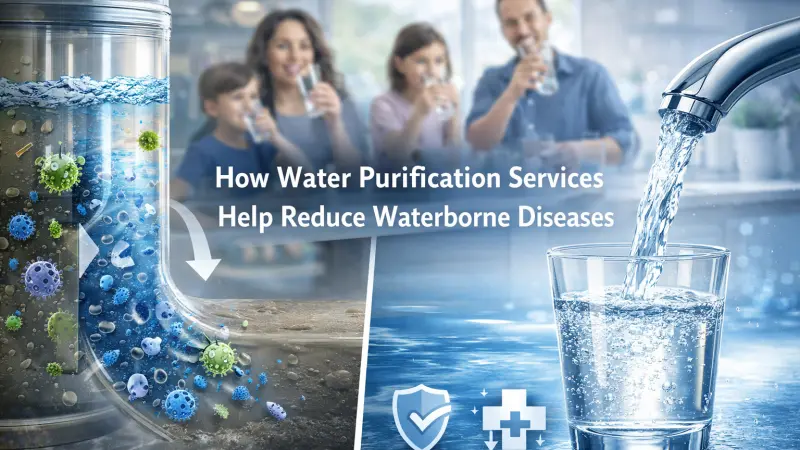
Have you ever considered the invisible journey your tap water takes before it reaches your glass or how critical modern infrastructure is for maintaining public health standards in the United Kingdom today. Water purification services reduce waterborne diseases by implementing rigorous filtration and chemical treatment processes that eliminate harmful pathogens before they can enter the domestic supply chain. While the British Isles enjoy some of the highest quality drinking water globally the presence of aging pipework and occasional environmental contaminants means that professional purification remains a cornerstone of national well being. This detailed guide explores how these essential services operate to safeguard communities and the specific mechanisms used to neutralise biological threats in our daily lives.
The history of public health in London and beyond is intrinsically linked to the evolution of water management systems. In the nineteenth century pioneers like John Snow identified that contaminated pumps were the primary vector for cholera outbreaks which led to a revolution in how we perceive water safety. Fast forward to the modern era and the reliance on advanced water treatment solutions has only grown as population density increases and new environmental challenges emerge. Understanding the relationship between clean water access and disease prevention is vital for every household and business owner looking to maintain a healthy environment.
The fundamental role of filtration in modern health
Filtration serves as the physical barrier against suspended solids and microorganisms that can cause gastrointestinal distress or long term illness. Professional water purification services employ multi stage systems involving sand filters carbon blocks and even reverse osmosis membranes to ensure that even the smallest bacteria are trapped. These systems are particularly effective at removing protozoa such as Cryptosporidium and Giardia which are notoriously resistant to standard chlorine treatments. By removing these organic materials the risk of widespread illness is significantly mitigated across both urban and rural settings.
In addition to physical removal chemical neutralisation plays a secondary but equally important role. Chlorination and ultraviolet light exposure are standard practices used by large scale utilities and private service providers alike to disrupt the DNA of viruses and bacteria. When these microorganisms cannot reproduce they cannot cause infection within the human body. The synergy between physical filtration and biological neutralisation creates a robust shield for the population ensuring that water remains a source of life rather than a source of ailment.
Identifying waterborne threats in the British environment
While large scale outbreaks of typhoid or cholera are rare in the modern UK other waterborne issues can still manifest if maintenance is neglected. Legionnaires disease is a notable concern especially in complex plumbing systems found in commercial buildings or blocks of flats. This condition is caused by the Legionella bacteria which thrives in stagnant warm water and is typically spread through aerosolised droplets. Expert purification and temperature control services are essential for preventing the colonisation of these dangerous pathogens in cooling towers and shower systems.
Other common issues include various forms of gastroenteritis which can be traced back to localized contamination of private wells or borehole supplies. Many rural properties in Scotland and Wales rely on private water sources that do not benefit from the centralized treatment provided by major utility companies. In these instances bespoke water purification services are the only line of defence against E coli and other coliform bacteria that naturally occur in the environment due to agricultural runoff or wildlife activity.
How commercial water treatment supports public infrastructure
The impact of water purification extends beyond the residential kitchen into the heart of British industry and the healthcare sector. Hospitals and dental practices require ultra pure water to ensure that medical instruments are sterile and that patients with compromised immune systems are protected from opportunistic infections.
Professional services provide high grade deionised water and sophisticated monitoring systems that alert staff to any dip in quality immediately. This level of precision is a key factor in why the UK remains a leader in healthcare safety and operational excellence.
Furthermore the food and beverage industry relies heavily on consistent water quality to ensure product safety and shelf life. A single batch of contaminated water could lead to a massive product recall and significant public health risks if not for the rigorous standards set by purification experts. By maintaining these high standards businesses contribute to a broader culture of safety that benefits the entire national economy while reducing the burden on the National Health Service.
Technological innovations in domestic water safety
The rise of smart home technology has brought professional grade purification into the domestic sphere with greater ease than ever before. Modern households can now install point of entry systems that monitor water flow and chemical balance in real time. These systems often feature sediment pre filters followed by activated carbon stages that improve the taste and odour of water while removing chlorine byproducts known as trihalomethanes. These byproducts are often overlooked but long term exposure is something that many health conscious individuals seek to avoid through supplemental domestic treatment.
Ion exchange technology is another area where purification services provide significant value particularly in hard water areas like South East England. While hard water is not a direct cause of disease the scale buildup it creates can harbour bacterial colonies and reduce the efficiency of water heaters. By softening the water and removing excess minerals these systems help maintain a cleaner plumbing environment which indirectly supports the overall hygiene of the household. Regular maintenance by qualified engineers ensures these systems remain effective for decades.
Addressing environmental contaminants and agricultural runoff
The British landscape is heavily utilised for agriculture which introduces nitrates and pesticides into the natural water cycle. Heavy rainfall can wash these chemicals into rivers and reservoirs potentially challenging the capacity of standard treatment plants. Specialized water purification services often implement additional nitrate removal steps and advanced oxidation processes to handle these specific chemical threats. Ensuring that chemical residues are kept well below safety limits is just as important as removing biological pathogens when it comes to long term community health.
Climate change is also playing a role in how we manage water safety. Increased frequency of flooding can overwhelm sewage systems leading to cross contamination between waste streams and clean water supplies. In the aftermath of such events the demand for rapid response purification services spikes as communities work to restore safe drinking conditions. Having a resilient infrastructure supported by expert consultants is the best way for the UK to adapt to these changing environmental pressures while keeping the population safe from the associated health risks.
The necessity of regular system audits and servicing
Installing a purification system is only the first step in a long term commitment to health. Without regular servicing filters can become clogged and UV lamps can lose their efficacy over time.
Professional service providers offer maintenance contracts that include water testing and component replacement to ensure the system continues to operate at peak performance. This proactive approach prevents the gradual decline in water quality that might otherwise go unnoticed until a health issue arises.
For landlords and business owners regular water testing is often a legal requirement under health and safety legislation. Failing to maintain water systems can lead to significant liability if an occupant becomes ill. By partnering with reputable purification firms property managers can ensure they remain compliant with the latest regulations while providing a safe environment for their tenants. This investment in maintenance is a small price to pay for the peace of mind that comes with knowing the water supply is free from harmful contaminants.
Future trends in sustainable water management
As we look toward the future the focus of water purification is shifting toward sustainability and the reduction of waste. New membranes are being developed that require less energy to operate and can be recycled at the end of their life cycle. Additionally there is a growing interest in rainwater harvesting and greywater recycling for non potable uses which reduces the overall demand on the mains supply. These systems still require sophisticated purification to ensure that recycled water does not become a breeding ground for bacteria or algae.
Education also plays a vital role in the future of water safety. The more the public understands the complexities of water treatment the more likely they are to support the necessary investments in infrastructure and choose high quality services for their own homes. Public health campaigns that highlight the benefits of clean water continue to drive the industry forward encouraging innovation and higher standards across the board. The goal remains a future where every person in Britain has access to water that is not only clear and refreshing but fundamentally safe for every use.
Supporting local expertise and online presence
Finding the right specialists for water safety and environmental services is made easier through the use of a business directory uk free of charge for consumers. When homeowners or developers require niche expertise they often turn to the best free business listing directories uk to find verified professionals in their specific region. This connectivity is essential for maintaining the high standards of public health we expect in the modern age.
Companies that wish to improve their reach and help more communities can find a free uk directory list for business owners to ensure their services are visible to those in need. By utilizing a free uk directory list for business growth and community support platforms like Local page UK allow experts in water purification to connect with households requiring their vital skills. Encouraging businesses to secure a best uk business directories free listing helps build a more robust network of service providers focused on keeping our nation healthy and safe.
Frequently Asked Questions
How often should a domestic water filter be replaced Most manufacturers recommend replacing carbon filters every six months and sediment filters annually depending on the local water quality and usage levels.
Does boiling water remove all contaminants Boiling is effective at killing bacteria and viruses but it will not remove chemical pollutants heavy metals or nitrates which may actually become more concentrated as water evaporates.
Can water purification systems remove lead Yes specific filters such as those with certified lead reduction media or reverse osmosis systems are highly effective at removing lead leached from old pipes.
Are UV sterilisers better than chlorine UV sterilisers are excellent for killing microorganisms without adding chemicals to the water but they only work at the point of contact and do not provide a residual disinfecting effect like chlorine.
What is the difference between a water softener and a purifier A softener primarily removes minerals like calcium and magnesium
to prevent scale whereas a purifier focuses on removing pathogens chemicals and organic matter to ensure safety.
Is bottled water safer than purified tap water Not necessarily as tap water in the UK is strictly regulated and often contains more minerals than some bottled brands while professional home purification can provide an even higher standard of safety.